EN
EN

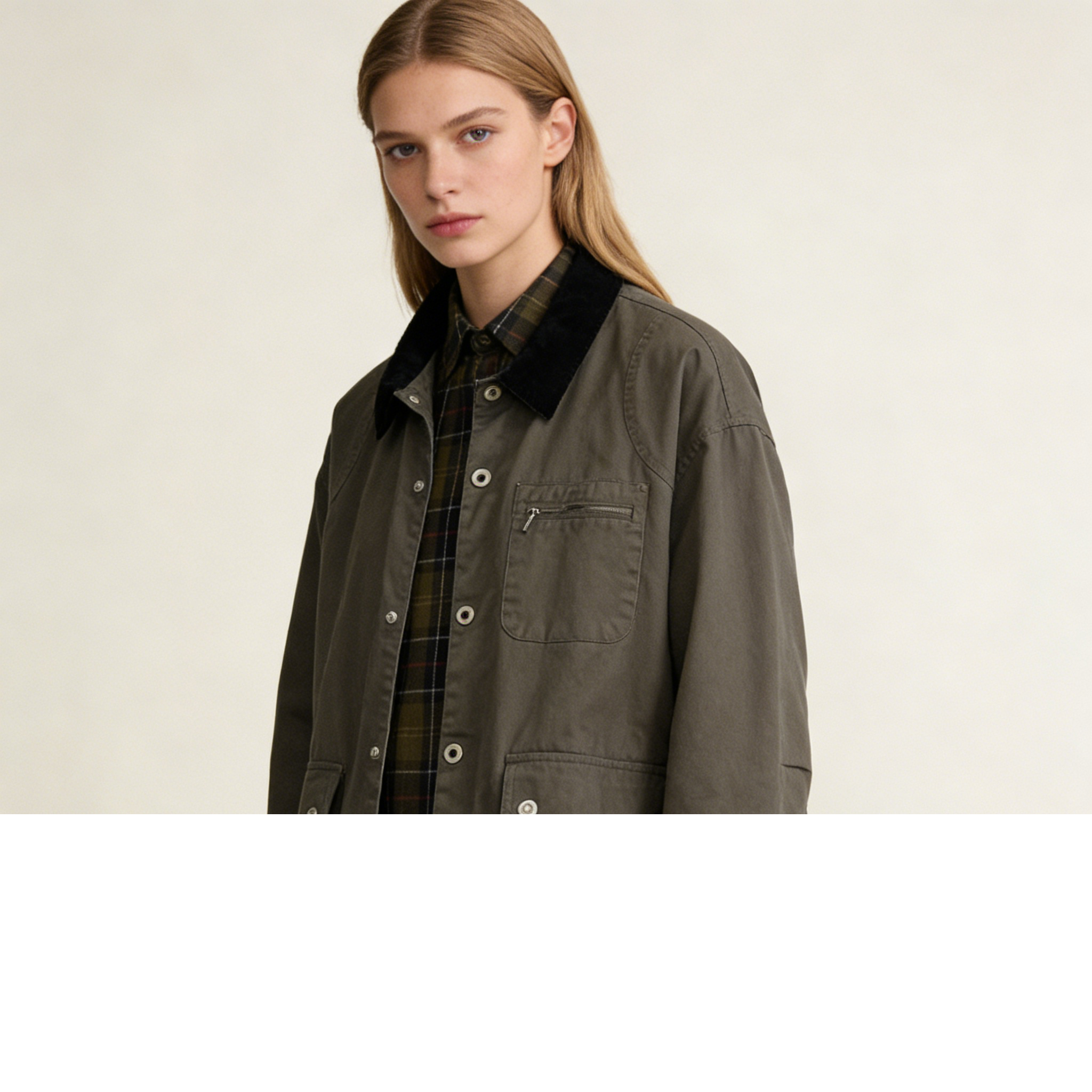
سترات العمل كحلول تكيفية للامتثال لمتطلبات قواعد اللباس الحديثة
الجمع بين الطابع الرسمي والمرونة في بيئات العمل الهجينة
يتطلب نمط العمل الهجين ملابسَ قادرةً على الانتقال من مكتب غرفة المعيشة إلى قاعة الاجتماعات دون أن تفقد أيًّا من احترافيتها. وتتولّى سترات العمل هذه الدور المحوري في سدّ هذه الفجوة، فهي تتميّز بخطوط أنيقة تعطي انطباعًا احترافيًّا، مع دمج تصاميم فعّالة حقًّا في المواقف الواقعية. وبفضل طريقة خياطة هذه السّترات، يستطيع الأشخاص التحرّك بحريةٍ تامة سواءً أثناء ركوبهم القطار أو عملهم من السرير. أما تلك التجاعيد المزعجة؟ فهي تبقى بعيدةً بفضل أقمشة خاصة تحافظ على مظهر أنيق طوال جلسات «زووم» المتواصلة والمظاهر المفاجئة في المكتب. ووفقًا لبحث أجرته «معهد سياسات مكان العمل» العام الماضي، يرى نحو ثلاثة أرباع مسؤولي الموارد البشرية أن الموظفين يشعرون بالارتباك إزاء ما ينبغي ارتداؤه عند التحوّل بين أماكن العمل المختلفة. فما الذي يجعل كل هذا ممكنًا؟ إنها أقمشة منسوجة بمرونة لا ترتخي أو تفقد شكلها، مع درزات موضوعة بدقة بحيث لا تتكتّل أو تتجعّد عند الجلوس أمام الحاسوب طوال اليوم، بالإضافة إلى طبقات داخلية تمتص العرق لضمان الراحة التامة للموظف سواء كان في الداخل أم في الخارج.
عناصر التصميم التي تحافظ على الطابع الاحترافي: الخياطة، والنسيج، والتفاصيل البسيطة
يعتمد المصداقية الاحترافية على التصميم الدقيق المُقصود وليس على الزخارف. وثمة ثلاثة عناصر مدعومة بأدلة تُميِّز سترات العمل المتوافقة مع المعايير عن الملابس الخارجية غير الرسمية:
- الخياطة الدقيقة ، والتي تتضمَّن طيات داخلية وتنحيفًا تدريجيًّا في الخصر، توفر هيكلًا يماثل الهيكل الخاص بالسترات الرسمية دون التضحية بمرونة الحركة.
- خليط الأقمشة الصوفية عالية الأداء ، المصمَّم لمقاومة البقع والتنظيم الحراري، يتفوَّق على أقمشة البدلات التقليدية من حيث المتانة بنسبة ٤٠٪ (مجلس ابتكارات النسيج، ٢٠٢٣).
-
التفاصيل البسيطة ، ومنها الإكسسوارات المتناسقة لونياً والغرز التباينية التي لا يزيد سمكها عن ١٫٥ مم، ما يحافظ على الخطوط النظيفة ويتجنَّب الفوضى البصرية.
وبمجملها، تُرسي هذه السمات سترات العمل كطبقات أساسية في الإطلالات الاحترافية — وتتوافق مع ٩٢٪ من قواعد اللباس المؤسسية عند ارتدائها مع القمصان ذات الياقات.
التدرُّج الاستراتيجي في ارتداء سترات العمل ضمن سياقات اللباس شبه الرسمي واللباس الذكي غير الرسمي
تُعَدُّ سترات العمل أدوات لا غنى عنها للتعامل مع قواعد اللباس الحديثة، حيث تُمكِّن من الانتقال السلس بين البيئات المهنية من خلال التدرُّج المقصود في ارتداء الطبقات. وتجمع هذه السترَات بين المرونة والوظيفية لتغطي بيئات المكاتب الداخلية واجتماعات العمل مع العملاء في الخارج، مما يضمن الحفاظ على المستوى المهني الثابت بغض النظر عن السياق.
بروتوكول الانتقال «بالسترة أولاً» لإعادة الدخول إلى المكتب وسيناريوهات التعامل مع العملاء
البدء بارتداء سترة يجعل الحياة أسهل بكثير عند التعامل مع تلك التغيرات المتكررة في بيئة المكتب. فقط اختر سترة عمل عالية الجودة في المقام الأول عند الدخول إلى مبنى المكتب أو الاستعداد لحضور اجتماع. وبمجرد ذلك، تبدو القمصان المحبوكة البسيطة أو القمصان ذات الأزرار العادية احترافية بما يكفي لأي بيئة عمل. وعند الخروج لزيارات ميدانية أو التنقُّل بين المواقع المختلفة، توفر السترة الحماية من أي ظروف جوية قد تواجهك دون أن تبدو مهملة المظهر. ويمكنك خلعها عند الدخول إلى الداخل، لتبقى لديك بالفعل إطلالة لائقة تحتها تتوافق مع معظم قواعد اللباس الذكي غير الرسمي. وتشير بعض الدراسات إلى أن هذه العادة البسيطة قد تقلل من التوتر الذهني الناتج عن الانتقال من بيئة إلى أخرى بنسبة تصل إلى النصف، وفقًا لأبحاث معهد كفاءة أماكن العمل الصادرة العام الماضي.
مطابقة خصائص سترة العمل مع مستويات الملابس: إرشادات الألوان والهيكل والنسبة
وازن خصائص السترة مع متطلبات الرسمية باستخدام هذه الإرشادات المبنية على الأدلة:
| مستوى الملابس | لوحة الألوان | الهيكل | قواعد التناسب |
|---|---|---|---|
| semi-رسمية | أزرق داكن، رمادي فحمي، أخضر زيتوني | كتفين محدَّدين | طول الورك؛ أكمام تصل إلى ثلثي عظم المعصم |
| أناقة ذكية غير رسمية | الدرجات الأرضية، والأنماط | تاج غير مهيكل | طول منتصف الفخذ؛ قصّة فضفاضة |
تعزِّز الألوان الداكنة والقصات المُفصَّلة سلطة الموظف في العروض التقديمية أمام العملاء، بينما تتناسب الأقمشة ذات الملمس والقصات الأطول مع التعاون الداخلي. وتتكامل السترات بلون محايد مع ٨٩٪ من خزانات الملابس المكتبية الشائعة — ما يحقِّق أقصى درجات التنوُّع في الإطلالات دون المساس بالامتثال للمعايير. أما القصات المُفرطة الحجم أو المقطوعة قصيرةً فهي تُضعف كلًّا من الوظيفة والإدراك البصري؛ لذا تبقى النسبة المتوازنة شرطًا لا يمكن التنازل عنه لضمان الاحترافية المستدامة.
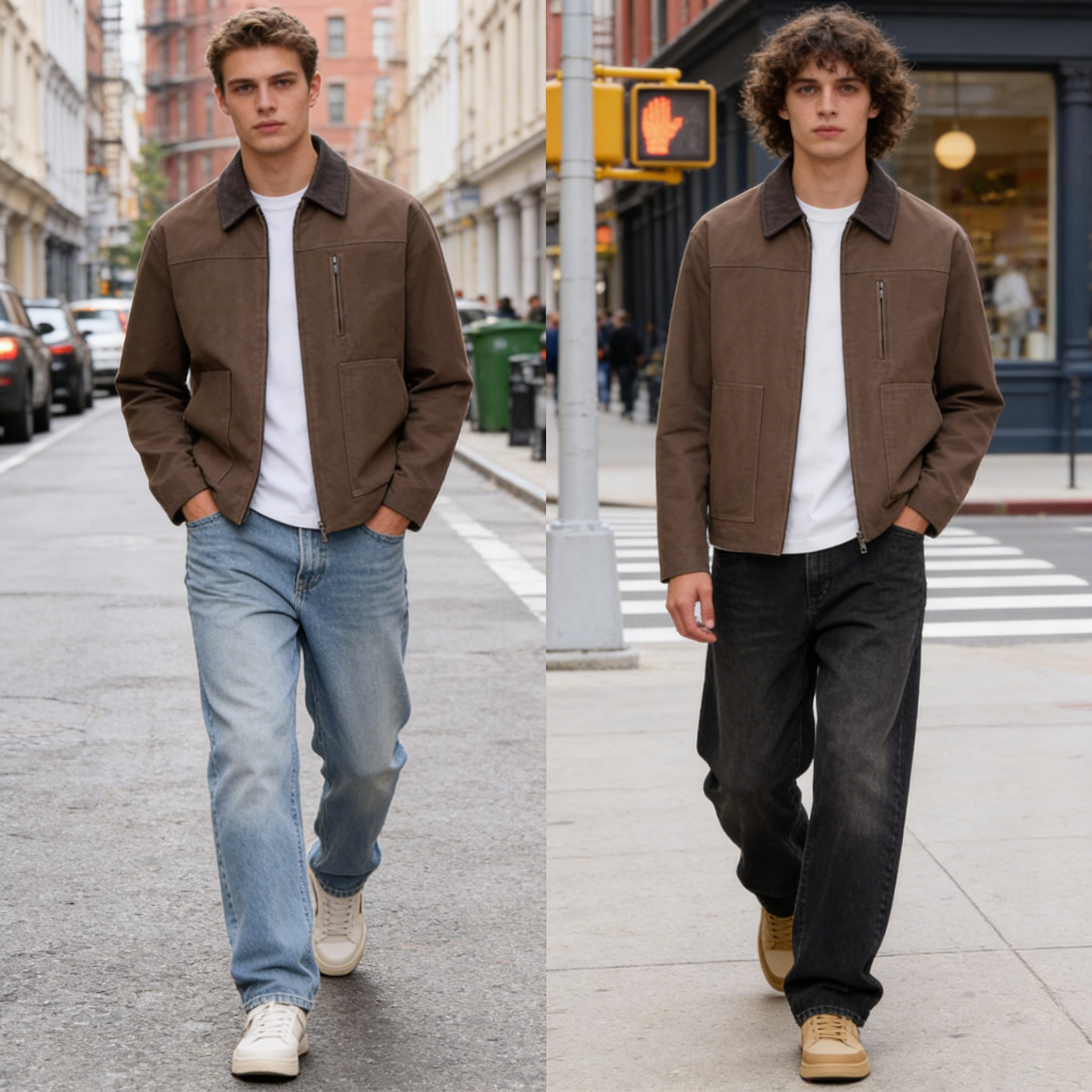
التكامل الوظيفي: السلامة، وتحديد الهوية التجارية، والمتطلبات الخاصة بالدور الوظيفي في السترات العملية
حل مفارقة الامتثال: المواءمة بين ميزات السلامة المعتمدة وفق معايير ANSI/ISEA والمظهر المؤسسي
تتمكّن سترات العمل اليوم من تلبية قواعد السلامة في الوقت نفسه الذي تبدو فيه أنيقة، وذلك عبر دمج الميزات المطلوبة مباشرةً في التصميم بدلًا من إضافتها بشكل سطحي فقط. وتشترط إرشادات ANSI/ISEA 107-2020 استخدام مواد لامعة وشرائط عاكسة، لكن الشركات المصنِّعة الذكية تخفي هذه المتطلبات بطريقة ذكية. فبعضها يدمج حوافًا عاكسة متناسقة داخل مناطق الياقات، بينما تدمج شركات أخرى شعاراتَ الشركات barely noticeable مصنوعة من مواد عاكسة للخلف، بحيث تفي بكافة معايير الرؤية دون الإخلال بالمظهر الأنيق للسترة. ووفقًا لدراسة أمنية صناعية نُشِرت العام الماضي، فقد انتقل ما يقارب تسع شركات من أصل عشر شركات ضمن قائمة فورتشن 500 إلى هذا النوع من التصاميم ذات الغرض المزدوج. كما أن تقنيات الأقمشة الجديدة تحسّن الأمور أكثر فأكثر: فمواد امتصاص الرطوبة المقاومة للهب تساعد العمال على البقاء مرتاحين وآمنين طوال فترة عملهم، مع الحفاظ في الوقت نفسه على مظهر احترافي مناسب للاجتماعات مع العملاء أو المدراء التنفيذيين.
سترات عمل ذات علامات تجارية كعناصر أساسية للزي الموحّد: اعتماد مدعوم بالبيانات في الأدوار التي تتعامل مباشرةً مع العملاء
تلعب سترات العمل المزودة بشعار الشركة دورًا مهمًّا جدًّا باعتبارها قطعًا أساسية في الزي الموحَّد للموظفين الذين يتعاملون مع العملاء وجهاً لوجه. وإن الانسجام البصري في مظهر هذه الزيّات الموحَّدة عبر الفرق المختلفة يؤثِّر فعليًّا في مدى ثقة الجمهور بالشركة. وقد أظهرت بعض الدراسات أن نحو سبعة من أصل عشرة مستهلكين يرون أن العاملين الذين يرتدون ملابس مُوحَّدة ومُوسومة بشعار الشركة يبدون أكثر موثوقية. ولهذا الأمر أهميّة كبيرة جدًّا في أماكن مثل المتاجر والمطاعم، وكذلك عند زيارة الفنيين للمنازل أو المكاتب. وبتحليل ما يحدث في برامج الزيّ الموحَّد، نجد أن الفرق التي تتعامل مباشرةً مع العملاء تفضِّل عادةً اقتناء السترات المزودة بشعار الشركة المطرَّز عليها بنسبة تزيد ثلاث مرات تقريبًا عن تلك التي لا تحمل أي شعار. ويذكرون أنهم يرغبون في الشعور بالارتباط المهني بشركتهم، وأنهم يحتاجون إلى معدات عملية تلائم متطلبات وظائفهم المحددة. وعندما تسعى الشركات إلى تخصيص ملابس العمل الخاصة بها بشكل استراتيجي، فإن هناك أساليب معيَّنة أثبتت فعاليتها على مر الزمن.
- مزامنة الألوان —يؤدي مطابقة لمسات السترة مع ألوان الشركة إلى زيادة تذكُّر العلامة التجارية بنسبة 53%؛
- التنميط التصنيفي للعلامة التجارية —تضمن الشعارات الموضعَة على مستوى الصدر وبعرض أقل من 4 بوصات وضوح الرؤية دون المساس بالاحترافية؛
-
الميزات المُكيَّفة حسب الدور الوظيفي —تركِّز سترات قطاع الضيافة على مقاومة البقع، بينما تستفيد الأدوار الفنية من المرفقين المعزَّزين.
ويؤدي هذا النهج المستهدف إلى خفض تكاليف برنامج الزي الموحَّد بنسبة 31%، مع رفع مستوى جودة الخدمة المُدرَكة.