EN
EN

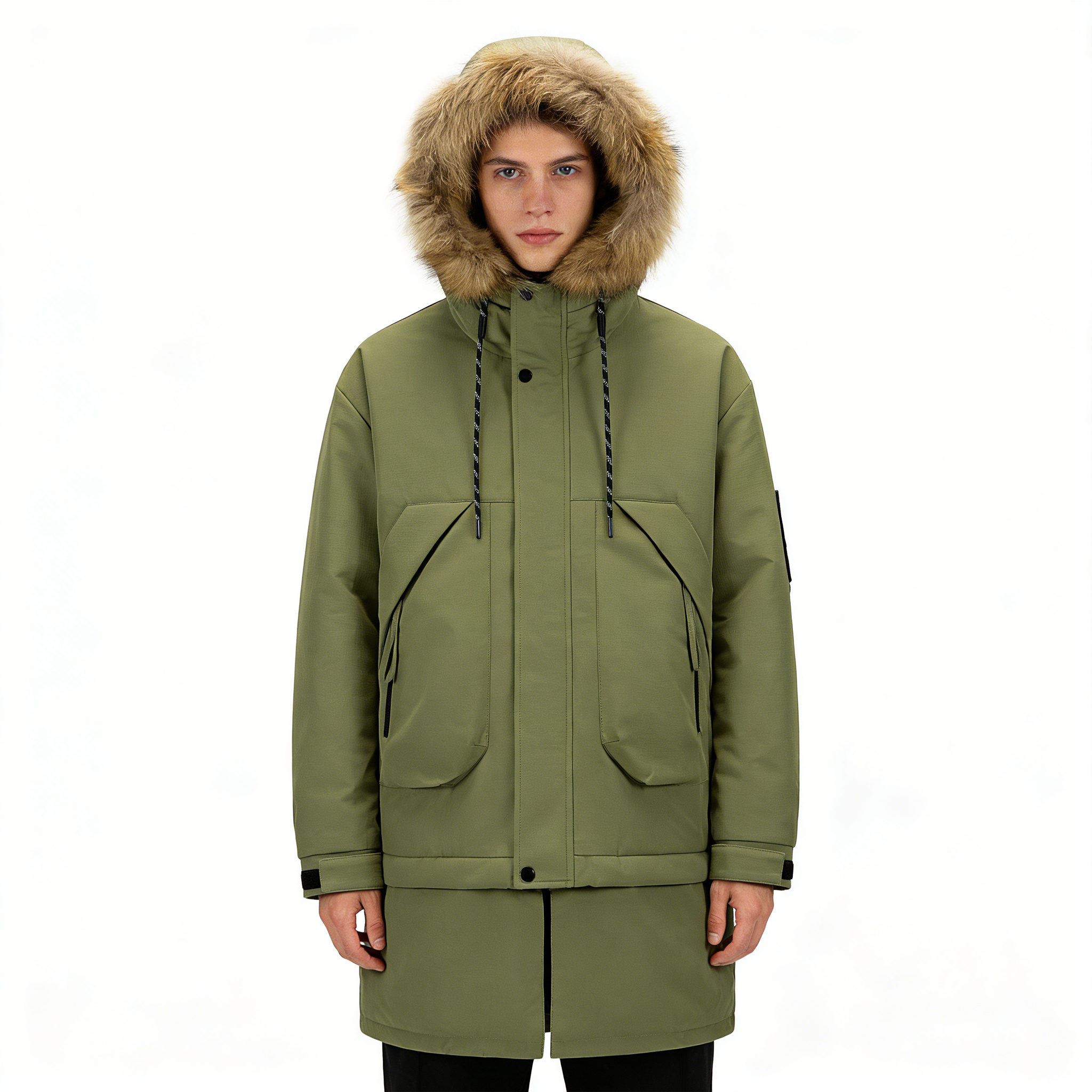
كيف تُحدِّد قوة حشوة الريش والتصنيع الدفء الفعلي في الاستخدام العملي
قوة الحشوة، والارتفاع، وحبس الهواء: المبادئ الفيزيائية الأساسية لكفاءة العزل
السحر الحقيقي لعزل الريش يكمن في احتجاز الهواء الساكن بين الريش، بدلًا من الاعتماد على الريش نفسه لتوفير الدفء. وتعني قوة التعبئة (Fill Power) ببساطة الطريقة التي نقيس بها مدى قدرة الريش على التمدد والاحتفاظ بذلك الفراغ الهوائي العازل الثمين. وعند مقارنة أنواع مختلفة من الريش من حيث قوة التعبئة، فإن الأرقام الأعلى مثل ٨٠٠ تُشكِّل فراغات هوائية أفضل بكثير مقارنةً بالأرقام الأدنى مثل ٥٥٠، ما يعني أن كمية الحرارة المُفقودة عبر التوصيل الحراري تكون أقل. وأظهرت الدراسات التي ركَّزت على الأداء الفعلي أن الانتقال من منتجات ذات قوة تعبئة ٦٠٠ إلى منتجات ذات قوة تعبئة ٨٠٠ يُحقِّق زيادةً تبلغ نحو ٢٠٪ في الاحتفاظ بالدفء. ويؤدي الهواء المحبوس دور درعٍ غير مرئي ضد البرد، فيُبطئ سرعة هروب حرارة الجسم إلى البيئة المحيطة. وهناك أمرٌ مهمٌ يجب تذكُّره: كلما زاد ارتفاع الطبقة العازلة (Loft)، زادت درجة الدفء. بل حتى الريش عالي الجودة جدًّا يبدأ في فقدان فعاليته إذا ما تم ضغطه بشكل مفرط، أو إذا ابتلَّ، أو إذا تآكل مع مرور الزمن، لأن جميع تلك الفراغات الهوائية الصغيرة تتلف.
وزن الحشوة، وتصميم الحواجز، ونسيج الغلاف: لماذا تهم التوزيع والحماية أكثر من الحشوة وحدها
تشير قوة التعبئة إلى جودة الريش، بينما تُعطينا كتلة التعبئة فكرةً عامةً عن كمية العزل الحراري المتوفرة. لكن ما يهم حقًا للحفاظ على الدفء هو كيفية بقاء هذا العزل في مكانه المطلوب بالضبط. وعندما لا تكون الجيوب الفاصلة (البافلز) متباعدةً بشكلٍ مناسب، فإن الريش يميل إلى الانتقال بعيدًا عن المناطق التي تتعرض لأكبر قدر من الارتداء، مما يترك تلك الأجزاء باردةً خصوصًا عند تحرك الشخص كثيرًا. وتتفوق الجيوب الفاصلة المربعة (Box baffles) في إبقاء العزل في مكانه مقارنةً بالتصاميم البسيطة التي تعتمد على الغرز الممتدة عبر طبقات القماش بالكامل (stitch-through designs). ولا تنسَ أيضًا مادة الغلاف الخارجي. فالمقاسات التجريبية تُظهر أن السترات المصنوعة من نايلون ريبستوب بوزن 20 دينير تمنع مرور الرياح بنسبة تصل إلى نصف ما تمنعه أقمشة البوليستر العادية ذات الوزن 15 دينير. علاوةً على ذلك، فإن السترات المعالَجة بطبقة مقاومة للماء (DWR) تميل إلى الحفاظ على خصائصها العازلة لفترة أطول حتى عند التعرّض لرشّات مطر خفيفة. وفي النهاية، فإن السترة الجيدة ليست مجرد مسألة امتلاك أرقام عالية لقوة التعبئة. فالسحر الحقيقي يكمن في قدرة المصنّعين على تصميم منتجٍ يضمن فعليًّا أداء العزل بكفاءة في مختلف الظروف.
لماذا لا توجد تصنيفات قياسية لدرجات الحرارة للسترات الشتوية
الفجوات في بروتوكولات الاختبار الخاصة بمعياري ASTM وEN وISO للملابس الخارجية العازلة
لا توجد في الواقع طريقة قياسية لتقييم مدى مقاومة السترات الشتوية للبرد مقارنةً بأكياس النوم، التي تخضع لقواعد اختبار صارمة وفق المعيارين EN/ISO وتُجرى في بيئات خاضعة للرقابة بدقة. فاختبار السترات لا يُعطي نتائج موثوقة بنفس القدر، لأن الدمى المخبرية لا تستطيع محاكاة التغيرات في مستويات حرارة الجسم الفعلية، أو الظروف الريحية الحقيقية، أو تأثير الرطوبة على الدفء أثناء ارتداء الشخص للسترة في الهواء الطلق. كما أن وضع شخصٍ ما داخل غرفة مناخية بوضعيات ثابتة وطبقات داخلية محددة مسبقًا لا يُعطينا معلومات كافية عن أداء هذه السترات أثناء التنزه في أمطار متجمدة، أو أثناء الانتظار في أماكن تتعرض لرياح حادة في المدن ودرجات حرارة دون الصفر. ونتيجةً لكل هذه المشكلات، لم تتمكن جهات مثل منظمة ASTM الدولية والمنظمة الدولية للمعايير (ISO) من وضع تصنيفات موحدة لدرجات الحرارة تنطبق على علامات تجارية مختلفة، ويمكن للمستهلكين الوثوق بها.
المزالق الناتجة عن نطاقات «الراحة» الخاصة بالعلامة التجارية دون سياق أيضي أو بيئي
تنشر العديد من العلامات التجارية نطاقات «راحة» غامضة (مثل: «–10°م») دون الكشف عن الظروف التي حُدِّدت وفقها. وتتجاهل هذه الادعاءات متغيراتٍ جوهريةً، منها:
- ينتج مستخدمو وسائل النقل في المدن حرًّا جسديًّا أقل بكثيرٍ ممَّا ينتجه متسلّقو الجبال في المناطق النائية
- يمكن أن تقلل ظاهرة «رياح البرد» الدفء الفعّال بمقدار يصل إلى 15°م—حتى لو كانت السترة مُصنَّفة لظروف الهواء الساكن
- تؤثِّر خيارات التداخل (مثل: الأقمشة المقاومة للرطوبة المصنوعة من الصوف المرتينو مقابل القطن) تأثيرًا كبيرًا في الكفاءة الحرارية
وبغياب الشفافية حول المعادلات الأيضية أو عتبات الرطوبة أو التعرُّض للرياح، فإن هذه التصنيفات قد تُضلِّل المستهلكين. فقد تسبِّب سترةٌ تُسوَّق لـ«البرد القارس» ارتفاع درجة حرارة الجسم أثناء النشاط—أو تفشل في الأداء في المناخات الساحلية الرطبة حيث تُضعف الرطوبة قدرة العزل والموصلية الحرارية.
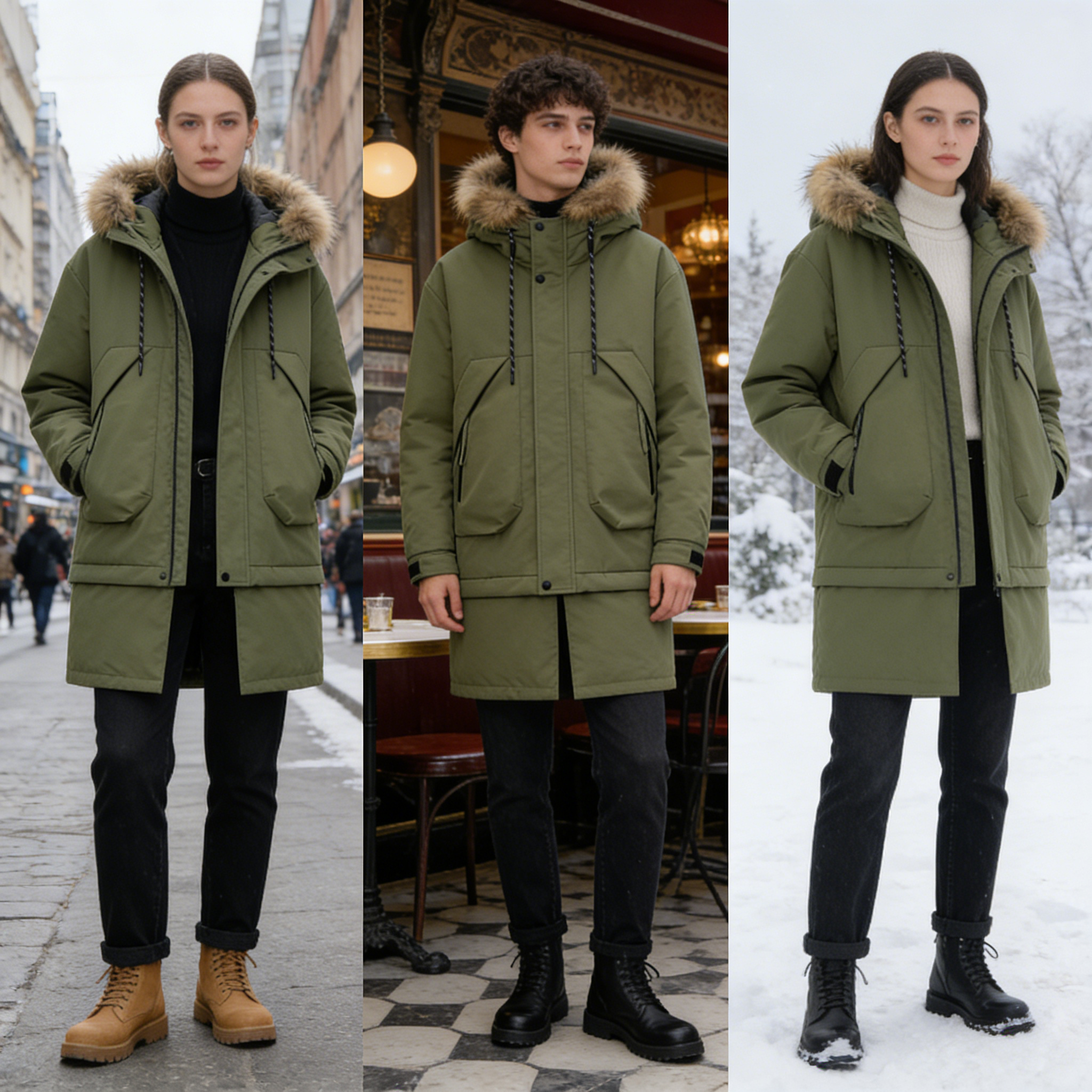
توحيد مستوى الدفء مع نمط حياتك: النشاط، والمناخ، واحتياجات التداخل
الاستخدام الثابت مقابل الاستخدام النشط: لماذا يُشعرك معطف الشتاء المُصمَّم لدرجة حرارة سالب ٢٠°م بالدفء الكافي أثناء التخييم الشتوي، بينما يسبِّب ارتفاع درجة الحرارة عند المشي لمسافات طويلة
يلعب مستوى النشاط البدني للشخص دورًا كبيرًا جدًّا في تحديد نوع العزل الحراري الذي يحتاجه. فعندما يجلس الأشخاص في الغالب دون حركة، مثل ممارسة التخييم الشتوي أو صيد الأسماك على الجليد، فإن أجسامهم لا تُنتج حرارةً تُذكر أصلًا، وقد تقل هذه الكمية عن ١٠٠ واط. وهذا يعني أنهم بحاجةٍ ماسَّةٍ إلى معدات ذات ارتفاع عالٍ (Loft) ووزن ملء جيِّد للحفاظ على دفء كافٍ. وعلى سبيل المثال، يكون معطف الاستكشاف المصمم لدرجات حرارة تصل إلى ٢٠- درجة مئوية مناسبًا تمامًا لهذه الحالات. أما عندما يبدأ الأشخاص في الحركة، مثل الخروج في نزهة مشي لمسافات طويلة، فإن القصة تتغير تمامًا. فتبدأ أجسامهم بإنتاج كمية أكبر بكثير من الحرارة، تتجاوز ٥٠٠ واط وفقًا لبعض الدراسات التي أجرتها رابطة الصناعات الخارجية عام ٢٠٢٣. فإذا ارتدى الشخص نفس المعطف السميك أثناء المشي لمسافات طويلة، فقد يؤدي ذلك فعليًّا إلى حدوث مشكلات خطيرة من ارتفاع درجة الحرارة بسرعة كبيرة. وليس من المستغرب إذن أن يشكو العديد من عشاق الأنشطة الخارجية من التعرُّق الشديد خلال ستراتهم عند بذل جهدٍ بدنيٍّ كبيرٍ في الطقس البارد، وذلك بسبب استخدام معدات باردة مفرطة العزل بالنسبة للنشاط الممارس. ولتحقيق التوازن الصحيح، يتطلَّب الأمر مطابقة كمية العزل الحراري التي نرتديها مع كمية الحرارة الفعلية التي تولِّدها أجسامنا.
| نوع النشاط | معدل إنتاج الحرارة | النهج المثالي للعزل الحراري |
|---|---|---|
| ثابت | <100W | معطف استكشافي عالي التعبئة |
| معتدلة | ٢٠٠–٤٠٠ واط | طبقات صناعية قابلة للتعديل |
| عالية التحمّل البدني | ٥٠٠ واط فأكثر | غطاء تنفسي مع فتحات تهوية استراتيجية |
استراتيجية التدرّع الطبقي وحقائق المناخ: الرطوبة، وتأثير البرد الناتج عن الرياح، والمتطلبات المختلفة بين البيئات الحضرية والمناطق النائية
الحفاظ على الدفء لا يقتصر على ارتداء معطف كبير واحد والانتهاء من الأمر. بل إن طريقة التدرّج في ارتداء الطبقات تُحدث فرقًا كبيرًا، لا سيما عندما تتغير الظروف خلال اليوم. وعندما تزداد الرطوبة في الخارج، تكتسب الطبقات الأساسية المانعة لامتصاص الرطوبة أهميةً بالغة، لأن الجلد الرطب يفقد الحرارة بسرعة تصل إلى نحو ٢٥ ضعفًا أسرع من الجلد الجاف وفقًا لبعض الأبحاث المنشورة في مجلة «وايلدرنيس ميديكال جورنال» العام الماضي. أما بالنسبة للأشخاص الذين يعانون من تأثير البرد الناتج عن الرياح — وبخاصة المُتنزِّهين ذوي الحقائب الظهرية في المناطق الجبلية المفتوحة، حيث يمكن للهبات المفاجئة أن تسرق حرارة الجسم بسرعة — فإن امتلاك غطاء خارجي مقاوم للرياح يصبح أمرًا حاسمًا. كما يواجه سكان المدن تحديات مختلفة أيضًا؛ إذ يحتاجون إلى أنظمة ملابس تعمل بكفاءة سواء داخل مباني المكاتب أو في الخارج أثناء مشيهم خلال استراحة الغداء. ولا تُغرَّنَّك تلك الأرقام التصنيفية اللافتة التي تضعها الشركات المصنِّعة على العلامات. فالذي يناسب الشخص حقًّا يعتمد على عوامل واقعية مثل المكان المحدد الذي يقضيه فيه معظم وقته، ومدى نشاطه الحركي، وما إذا كان يميل إلى التعرُّق كثيرًا أم يبقى جافًّا في معظم الأيام.
جدول المحتويات
- كيف تُحدِّد قوة حشوة الريش والتصنيع الدفء الفعلي في الاستخدام العملي
- لماذا لا توجد تصنيفات قياسية لدرجات الحرارة للسترات الشتوية
-
توحيد مستوى الدفء مع نمط حياتك: النشاط، والمناخ، واحتياجات التداخل
- الاستخدام الثابت مقابل الاستخدام النشط: لماذا يُشعرك معطف الشتاء المُصمَّم لدرجة حرارة سالب ٢٠°م بالدفء الكافي أثناء التخييم الشتوي، بينما يسبِّب ارتفاع درجة الحرارة عند المشي لمسافات طويلة
- استراتيجية التدرّع الطبقي وحقائق المناخ: الرطوبة، وتأثير البرد الناتج عن الرياح، والمتطلبات المختلفة بين البيئات الحضرية والمناطق النائية