 EN

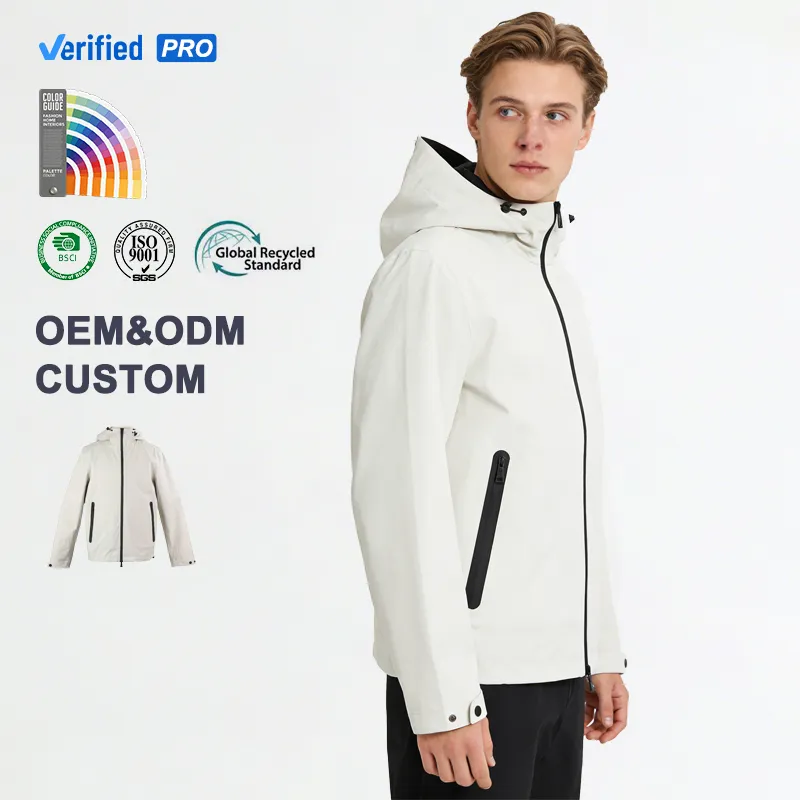
Why Fit Determines Performance in a Waterproof Jacket
Layer compatibility: How room for insulation affects breathability and mobility
A waterproof jacket that fits too snugly restricts the air gaps essential for trapping heat and moving moisture. Industry testing shows a 15 mm increase in chest ease can improve moisture vapor transmission by 18% in cold-weather layering systems (Textile Performance Consortium, 2024). That space allows a midlayer to loft fully and enables unrestricted arm rotation without pulling the shell. Conversely, excessive looseness creates dead air that overwhelms the membrane’s ability to expel vapor—leading to internal condensation. A 2023 lab report found compressed insulation loses up to 40% of its thermal efficiency, increasing perspiration and making the shell feel damp from within. Aim for enough room to comfortably accommodate a lightweight fleece or insulated midlayer without compressing its fibers—while keeping shoulder seams aligned over the joint. This balance sustains a dry microclimate and avoids the clammy discomfort common with oversized rain shells. For most hikers, two fingers of ease across the chest with a midlayer on is a practical starting point.
Movement mapping: Why static measurements fail—and how dynamic fit impacts real-world wear
Standing chest and sleeve measurements miss how a waterproof jacket shifts during reach, climb, and pack carry. A 2022 wear trial comparing static size charts with motion-capture data found that 68% of participants required a different size once lifting their arms overhead (Mobility Lab, 2022). A well-fitted jacket should allow full overhead reach without the hem rising above the hip or cuffs sliding past the wrist. Test dynamic fit by crossing arms, rotating shoulders, and mimicking trekking pole or paddle strokes. If the shoulders lift the entire jacket, the back width is likely too narrow for overhead use. Prioritize articulated sleeves and underarm gussets—they follow limb movement rather than resisting it. This reduces seam stress, protects taped seams, and prevents membrane stretching in high-tension zones. Dynamic fit—not tape-measure fit—is what keeps weather out during real-world activity.
Measuring Accurately for Your Waterproof Jacket Size
Step-by-step guide: Chest, sleeve length, and back length with tolerance benchmarks
A waterproof jacket that measures correctly in the chest, sleeves, and back prevents cold spots and restricted reach. Start with a soft tailor’s tape over a base layer. For chest circumference, wrap the tape under the arms at the widest point and keep it level; add 3–5 cm (1.2–2 in) for a trim shell and 8–12 cm (3–5 in) for a jacket worn over insulated layers. Sleeve length is measured from the center back of the neck, across the shoulder, and down to the wrist bone; a tolerance of ±1 cm (0.4 in) usually allows full arm extension without exposing the wrist. Back length runs from the collar seam to the hem; look for a tolerance of ±2 cm (0.8 in), depending on whether the jacket is a short alpine cut or longer parka style. The following table summarizes practical benchmarks.
| Measurement | How to take it | Workable tolerance |
|---|---|---|
| Chest circumference | Under arms at widest point, tape level | +3–12 cm (1.2–5 in) over body measurement, depending on layering |
| Sleeve length | Center back neck to wrist bone over shoulder | ±1 cm (0.4 in) |
| Back length | Collar seam to hem | ±2 cm (0.8 in) |
For dynamic fit, repeat the chest measurement with arms raised and with a midlayer on—if the jacket pulls across the shoulder blades, size up or choose a style with articulated shoulders. Sleeve length and chest tightness are the most common fit failures in outdoor shells, reinforcing why measuring matters more than guessing.
Avoiding the S/M/L trap: Why brand-specific size charts are essential for waterproof jacket fit
Letter sizes are not standardized across the outdoor apparel industry—a medium shell from one brand may fit like a large from another. Instead of relying on S/M/L labels, compare your body measurements against the specific brand’s garment-size chart for the exact jacket model. Focus on listed chest, sleeve, and back length values—not just the size name—and confirm whether the chart reflects “body measurements” or “garment measurements.” For example, a garment chest of 120 cm may be labeled medium by one brand and large by another, but that 120 cm dimension is what determines fit. Because technical shells often use non-stretch face fabrics, there’s little seam forgiveness: a 2–3 cm mismatch across the chest can restrict arm lift or create a cold gap at the hem. Before ordering, measure a jacket you already own that fits well and compare those flat garment dimensions with the chart. This practice reduces returns and ensures the shell fits over your intended layers without compression.
Adjustable Features That Lock in Fit—Without Compromising Waterproof Integrity
Hood systems: Balancing peripheral vision, storm seal, and helmet compatibility
A hood on a waterproof jacket must seal against wind and rain without narrowing side vision. Rear volume adjusters and face cinches pull the brim close while preserving peripheral sight. A shaped, wired brim sheds water away from eyewear. For climbing or skiing, choose a hood with enough internal clearance to fit over a helmet. After placing the hood over the helmet, cinch the rear toggle to lock it in place and allow natural head rotation. Turn your head side to side to test—if the hood shifts or blocks your view, the fit needs adjustment. Avoid hoods with only a single front drawcord, as they collapse around the temples and reduce storm protection.
Cuffs and hem adjustments: Elastic, Velcro, and drawcord trade-offs for weather-sealed fit
Cuffs and hem adjustments seal the jacket at openings—but each closure type behaves differently. Elastic cuffs slip on quickly and stay snug, yet they can stretch out over time and are hard to adjust over bulky gloves. Velcro tabs offer quick one-handed tightening, but may snag on layers or pack straps. Drawcord hems provide the most precise fit and can be cinched to block updrafts, though loose cords can catch on branches. For wet, windy conditions, choose a hem with an internal drawcord and cuffs with hook-and-loop tabs. This combination locks out rain while allowing easy ventilation and layering.
FAQ
What is the ideal fit for a waterproof jacket?
Look for a fit that accommodates layering without compressing insulation. Two fingers of ease across the chest with a midlayer on is a practical starting point.
How do I measure for a waterproof jacket?
Use a tailor’s tape to measure chest circumference, sleeve length, and back length with at least 3–5 cm of allowance for layering.
Why is dynamic fit important for waterproof jackets?
Dynamic fit ensures the jacket performs well in real-world activities like lifting arms overhead or trekking, without causing discomfort or exposing gaps.
What features should I look for in a hood on a waterproof jacket?
A hood should seal against the weather, offer peripheral vision, and fit comfortably over a helmet if needed.
How does sleeve and hem adjustment improve waterproof performance?
Adjustable cuffs and hems help prevent water entry and maintain comfortable movement, especially in wet or windy conditions.
