EN
EN

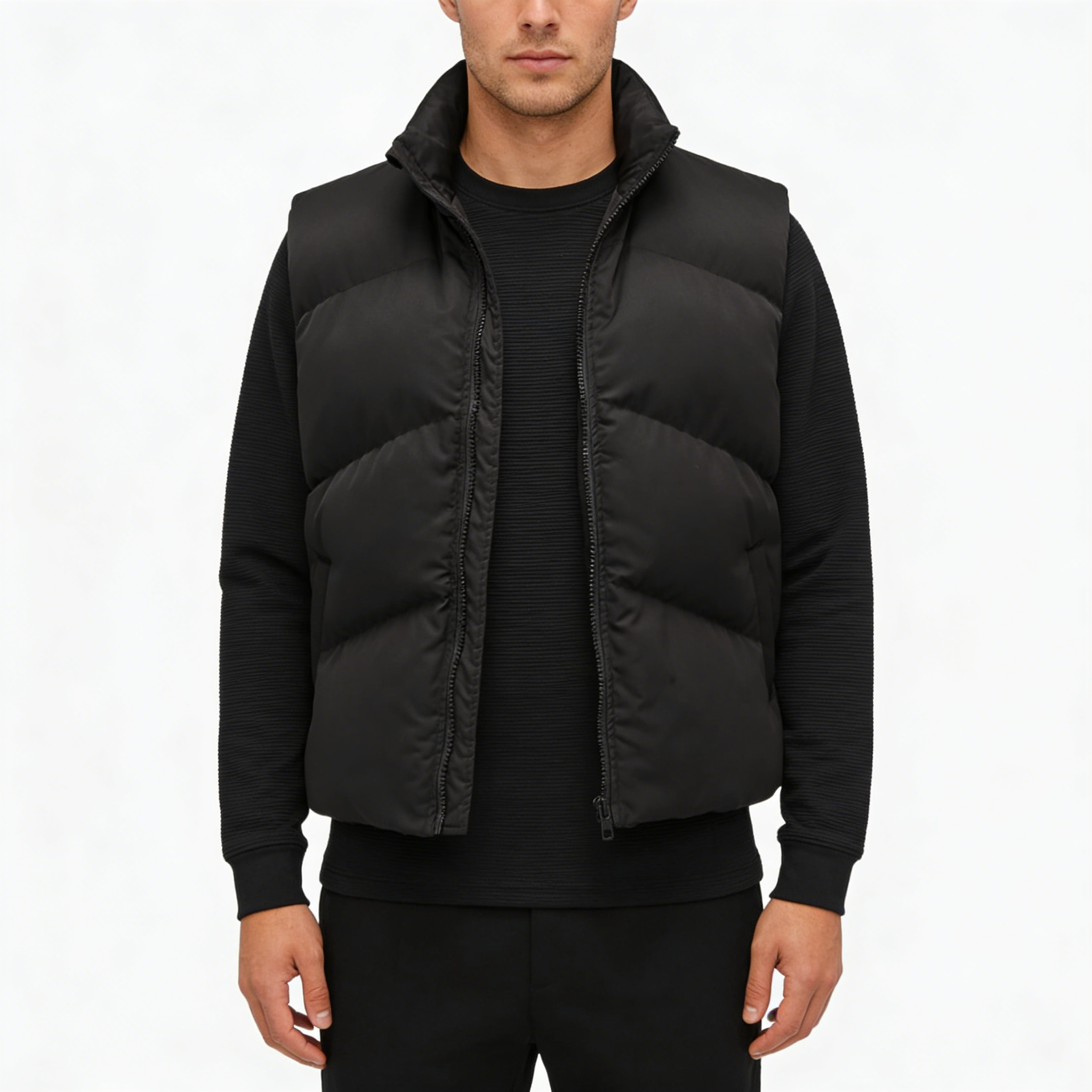
Sleeveless Jacket Styling by Silhouette: Dresses, Trousers, and Skirts
Dresses + Sleeveless Jacket: Feminine Contrast with Polished Structure
Pairing a sleeveless jacket with dresses creates compelling tension between softness and structure. Flowy maxi dresses gain refined polish when layered under tailored waist-length vests, while sheath dresses transform into power outfits with sharp-shouldered overlayers. For balance:
- Match fluid silhouettes (wrap, A-line) with rigid fabrics like tweed
- Contrast bodycon knits with unbuttoned jackets to elongate the torso
- Anchor floral prints with solid neutrals for cohesion
This juxtaposition elevates daytime elegance without sacrificing comfort.
Trousers + Sleeveless Jacket: Sharp, Tailored Sophistication
A sleeveless jacket instantly sharpens trousers into boardroom-ready ensembles. The absence of sleeves maintains clean lines while providing subtle waist definition—ideal for creating inverted triangle proportions. Key approaches:
- Wide-leg palazzos gain structure with cropped bolero styles
- High-waisted cigarette pants pair perfectly with hip-length vests
- Monochrome head-to-toe looks streamline the silhouette
For evening, swap daytime fabrics for brocade or jacquard versions that catch light without adding bulk.
Skirts & Shorts + Sleeveless Jacket: Proportion-Balanced Warm-Weather Looks
In warmer months, sleeveless jackets prevent skirts and shorts from appearing overly casual. They add shoulder definition that balances fuller bottoms—critical for pear or triangle body shapes. Pro tips:
- Midi skirts pair with waist-cinching longline vests
- Mini shorts and tucked-in tops gain polish with boxy, collarless jackets
- Choose lightweight linens or seersuckers for breathability
- Use tonal textures (e.g., ribbed knit vest + pleated skirt) for cohesion
Strategic Layering with a Sleeveless Jacket Across Seasons
Base Layers That Elevate: Tanks, Turtlenecks, and Lightweight Knits
The base layer plays a big role in both staying comfortable and looking good. Smooth tank tops or snug turtlenecks help maintain those sharp lines when worn under more structured outfits, and light knit fabrics bring in some texture without adding extra bulk. When it comes to fabric weight, lighter materials matter quite a bit. Cotton or merino wool below 180 GSM works well for wearing throughout the day. Research published in Textile Technology Journal last year showed something interesting about moisture wicking base layers they actually let people stay out longer during those in between weather days, maybe around 2 to 3 extra hours. Play with different body proportions too slim turtlenecks look great with boxier jackets, while loose tanks can make those sharp angles seem softer overall.
Transitional Timing: When to Add or Remove Layers for Climate and Context
Getting the timing right with layers means being able to read what's coming next in terms of weather changes and where we'll be hanging out socially. Take off that coat once it gets above 70 degrees Fahrenheit or so, especially if we're inside somewhere packed with people because otherwise we'll start sweating buckets. Put it back on again as nights get cooler or when stepping into those super chilled-out buildings that always seem to crank up the AC way too much just to look fancy. And don't forget something lightweight for unexpected showers or gusty winds either – maybe toss a small trench coat style jacket into our bag somewhere accessible. There are some important things worth keeping in mind here though.
- Humidity above 60% demands ventilated fabrics (linen, gauze cotton)
- Formal events warrant keeping all layers intact for a cohesive appearance
- Commuting benefits from removable mid-layers like unbuttoned shirts
This approach ensures your sleeveless jacket transitions seamlessly from brisk mornings to warm afternoons while preserving intentional styling.
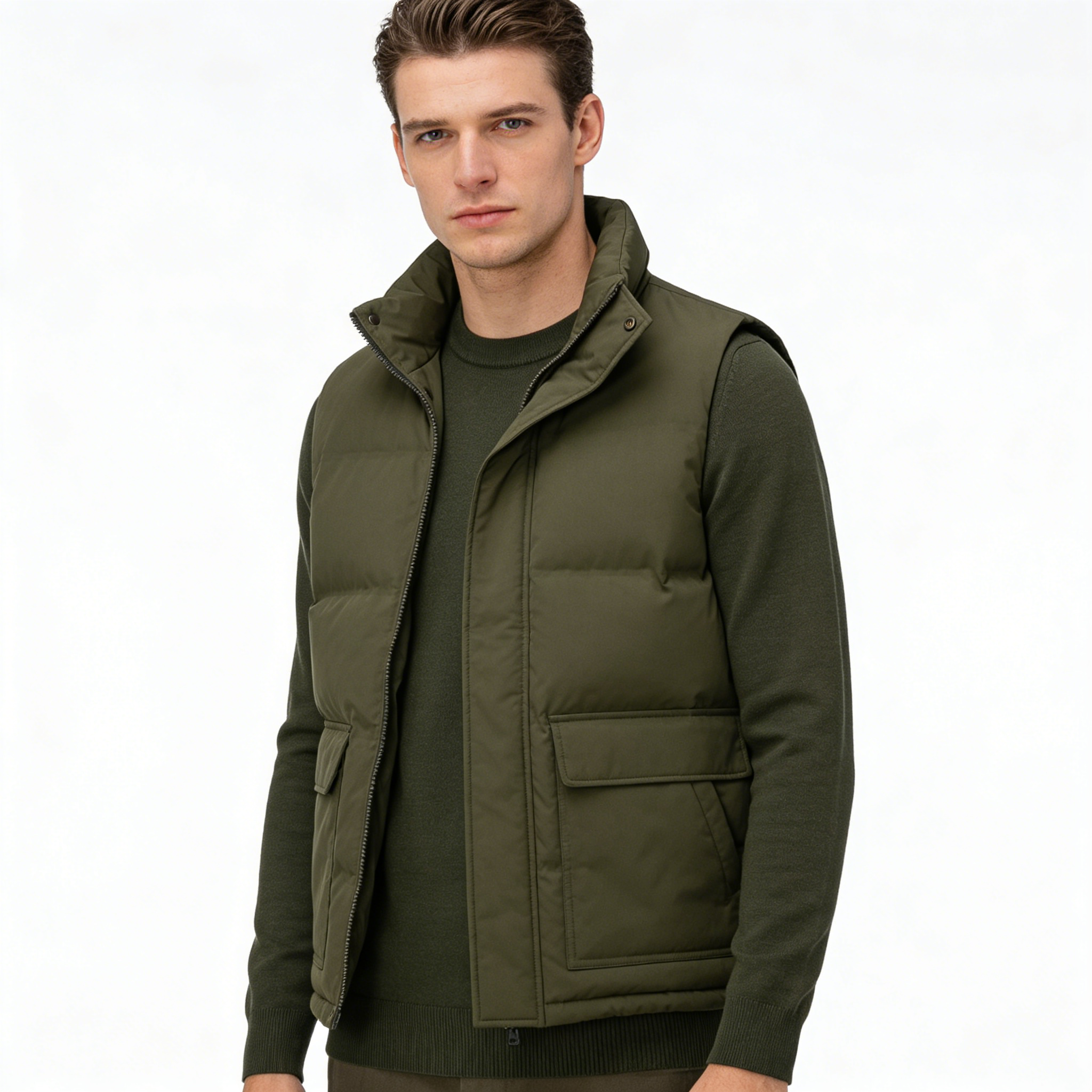
Color and Texture Coordination for a Cohesive Sleeveless Jacket Look
Getting a handle on how colors and textures work together can totally change what people think about that sleeveless jacket in your closet. Instead of just wearing it alone, it becomes something special when paired right. Try monochrome looks for easy elegance. A cream knit jacket goes great with ivory pants for that clean look, or throw on some charcoal wool pieces with other slate colored items. When wanting something bolder, mixing different fabrics works wonders. Think about pairing a rough boucle jacket with something silky underneath or go for structured denim. The key is to have different textures but still keep things looking put together. Beiges, greys, and camels are super versatile throughout the seasons, but don't be afraid to bring out those rich jewel tones like burgundy or emerald when the season calls for it. They really stand out and make an impression.
| Coordination Strategy | Warm-Weather Pairing | Cool-Weather Pairing |
|---|---|---|
| Monochromatic | Linen jacket + silk slip dress | Wool vest + cashmere turtleneck |
| Textural Contrast | Canvas jacket + satin camisole | Tweed vest + ribbed knit |
When thinking about what to wear based on the weather, lightweight linen and cotton fabrics work great for layering over tank tops during summer months. Come autumn though, reaching for a tweed or corduroy jacket to go over those thin knit sweaters makes sense. Getting the right balance matters too. Those bulky cable knit sweaters look best when paired with something snug underneath, whereas a slim fitting jacket can really make a flowy skirt stand out. Colors need to work together across all pieces. Try matching the metal tones on buttons and belts, or find shoes that pick up on the same color used as an accent in the jacket. These small touches create outfits that feel put together without trying too hard.