 EN

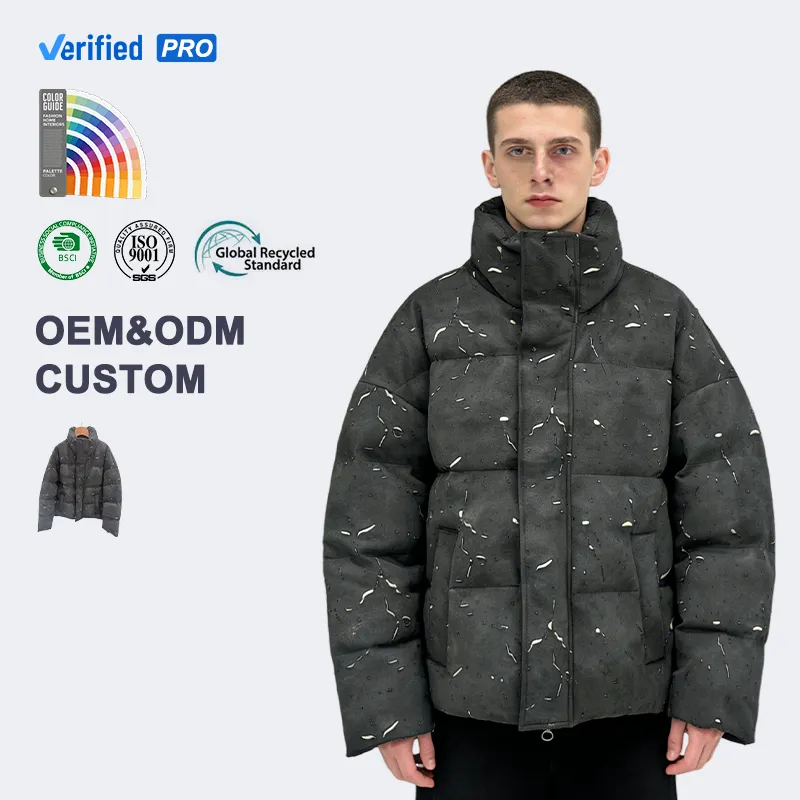
Insulation Type: Down vs. Synthetic for Optimal Winter Jacket Performance
Choosing the right insulation is the single most important decision when selecting a winter jacket. Down and synthetic fills each deliver distinct performance profiles—and understanding their core strengths helps you match the jacket to your real-world conditions.
Thermal Efficiency and Compressibility: Why High-Fill Down Excels in Dry, Cold Conditions
Down insulation—the soft, fluffy underfeathers of waterfowl—traps heat exceptionally well for its weight, making it the gold standard for static warmth in dry, frigid environments. The key metric is fill power, which measures how many cubic inches one ounce of down occupies. An 800-fill down jacket provides a warmth-to-weight ratio roughly 30% higher than an equivalent synthetic piece (Outdoor Gear Lab 2024). Higher fill numbers mean larger, stronger clusters that create more loft and trap more air; premium 900-fill down can be so efficient that a winter jacket weighing less than 10 ounces keeps you comfortable in sub-zero temperatures.
This thermal efficiency directly translates into superior compressibility. A high-fill down jacket packs down to a fraction of its lofted size—often fitting into its own pocket or a small stuff sack—making it ideal for backcountry skiing, alpine climbing, or any adventure where pack space is tight. However, down’s biggest weakness is moisture: when wet, the clusters clump together, collapse, and lose virtually all insulating ability. For this reason, down jackets are best reserved for cold, dry climates—or layered under a waterproof shell to prevent saturation.
Synthetic Insulation Advantages: Reliable Warmth in Wet Weather and High-Exertion Winter Activities
Synthetic insulation—typically made from continuous polyester filaments or short staple fibers—is engineered to mimic down’s loft while resisting water. Its critical advantage is moisture resilience: synthetic fills retain up to 70% of their warmth when damp, whereas down loses almost all insulating value (REI 2023). Unlike down, synthetic fibers do not absorb moisture readily and dry quickly, making them the clear choice for wet, sleet-filled days or activities where you’ll sweat heavily. A winter jacket stuffed with synthetic insulation will keep you warm even if caught in an unexpected rainstorm or working up a sweat during a ski tour.
This moisture resilience also makes synthetic jackets more forgiving during high-output pursuits. Loft remains stable, and because many synthetic insulations are inherently breathable, excess heat and water vapor escape more easily—reducing the risk of overheating and subsequent chilling when you stop moving. Synthetic jackets are also generally more affordable and durable: they resist crushing over time and can be machine washed without special care. The trade-off is bulk and weight—a synthetic jacket will be heavier and less compressible than a down jacket of equivalent warmth—but for wet-weather reliability and active use, that compromise is often well worth it.
Shell Technology: Waterproofing, Breathability, and Wind Resistance in a Winter Jacket
Understanding DWR, Membranes, and Seam Sealing for Real-World Winter Jacket Water Protection
A winter jacket’s shell is your primary defense against rain, snow, and wind. Three key technologies work together: DWR (Durable Water Repellent) treatments cause water to bead and roll off the fabric surface, preventing saturation. But DWR alone isn’t enough in heavy precipitation. Beneath the outer fabric lies a waterproof/breathable membrane—often a microporous film—that blocks liquid water while allowing sweat vapor to escape. Its pore size (typically 0.2 to 10 microns) lets vapor molecules pass but stops larger water droplets. Jackets with a 20,000mm water column rating withstand extreme downpours; those with breathability ratings of 15,000 g/m²/24h manage moisture effectively. Seam sealing is the final barrier: all stitching holes are taped or welded to stop water from leaking through needle holes. Without fully taped seams, even the best membrane fails. Wind resistance is further enhanced by the shell’s dense weave and membrane, which reduce convective heat loss—keeping you dry and comfortable during active winter pursuits.
Breathability Under Load: How RET Values and Ventilation Features Prevent Overheating
Breathability is the counterbalance to waterproofing. During high-exertion winter activities like ski touring or snowshoeing, your body generates significant moisture—up to 2 liters of sweat per hour. If the shell traps that moisture, you become clammy and cold. Breathability is often measured by RET (Resistance to Evaporative Heat Transfer): an RET under 6 indicates excellent performance; values above 20 feel restrictive. For strenuous use, look for jackets with pit zips or mesh-lined ventilation panels that allow rapid heat dumping. Air permeability also matters: some shells are engineered to allow controlled airflow while still repelling water. The best designs balance protection and airflow—using adjustable vents to manage your microclimate. A jacket with a 15,000 g/m²/24h breathability rating, combined with mechanical ventilation, keeps you dry from the inside even under heavy loads.
Activity and Environment: Aligning Your Winter Jacket with Climate and Use Case
Static vs. Dynamic Warmth: Matching Insulation and Ventilation to Ski Touring, Urban Commuting, or Extreme Cold
Choosing the right winter jacket depends on whether you’ll be moving or standing still. The same insulation that keeps you warm while waiting for a bus can cause dangerous overheating during a ski tour. Tailoring your jacket to expected activity prevents both shivering and sweat-soaked discomfort.
- Urban commuting and static activities demand high-loft insulation and wind-blocking shells. When you generate minimal body heat, even a cold-weather jacket with 200g of synthetic fill can be overwhelmed by wind chill. A hood and sealed seams are essential for waiting at exposed stations in sub-freezing temperatures.
- Ski touring and high-exertion winter sports require breathable, lightly insulated jackets. Pit zips and air-permeable membranes allow surplus heat to escape, preventing moisture buildup that leads to rapid cooling during rest stops. A jacket with 60–100g of insulation often suffices when paired with a wicking base layer.
- Extreme cold environments (–20°F and below) demand maximum warmth with strategic ventilation. Even in static use, a jacket with high-fill down and a windproof outer layer is non-negotiable. For brief periods of activity—like setting up camp—features like two-way zippers and core vents let you dump heat without fully removing the jacket.
Matching your winter jacket’s insulation and ventilation to your activity profile is the single most effective way to stay comfortable in variable winter conditions.
Fit, Features, and Layering Compatibility: Functional Design Essentials for a Versatile Winter Jacket
A winter jacket’s ability to keep you warm depends as much on its design details as on its insulation. Fit must be precise: too tight, and it restricts air circulation, compressing loft and reducing warmth; too loose, and cold air circulates inside, stealing body heat. Look for a jacket that fits comfortably over your intended layers—with room for a thermal base layer and a mid-layer fleece or sweater—yet remains snug at the cuffs and hem. Adjustable features like drawcord hems, elastic cuffs, and a helmet-compatible hood let you seal out drafts and customize the jacket’s shape to your body. Prioritize functional elements that enhance versatility: a two-way front zipper aids movement and ventilation, zippered handwarmer pockets protect essentials, and internal drop pockets hold goggles or gloves. Pit zips are especially valuable for high-exertion activities, allowing excess heat to escape without removing the jacket. For layering compatibility, a smooth lining makes it easier to slide the jacket on over a mid-layer, while articulated sleeves follow your natural arm motion. Ultimately, the right combination of fit, adjustability, and thoughtfully placed features transforms a winter jacket from a simple insulator into a dynamic part of your cold-weather system—ready for commutes, mountain pursuits, or deep winter standby.
FAQ
What is fill power, and why does it matter? Fill power measures the amount of space one ounce of down occupies. Higher fill power indicates better thermal efficiency and compressibility, making your jacket lighter and warmer.
When should I choose synthetic insulation over down? Synthetic insulation is ideal for wet conditions or high-exertion activities since it retains warmth when damp and dries faster than down.
How do I ensure my winter jacket is waterproof? Look for jackets with features like DWR coating, waterproof membranes, fully taped seams, and high water column ratings for maximum waterproofing.
What features should I prioritize for high-exertion winter sports? For activities like ski touring, focus on breathability, pit zips, air-permeable membranes, and lightweight insulation to prevent overheating and moisture buildup.
How important is layering compatibility in a winter jacket? Layering compatibility ensures your jacket can accommodate mid-layers without feeling tight, enhancing overall warmth and flexibility in different conditions.
Table of Contents
- Insulation Type: Down vs. Synthetic for Optimal Winter Jacket Performance
- Shell Technology: Waterproofing, Breathability, and Wind Resistance in a Winter Jacket
- Activity and Environment: Aligning Your Winter Jacket with Climate and Use Case
- Fit, Features, and Layering Compatibility: Functional Design Essentials for a Versatile Winter Jacket
- FAQ
