EN
EN

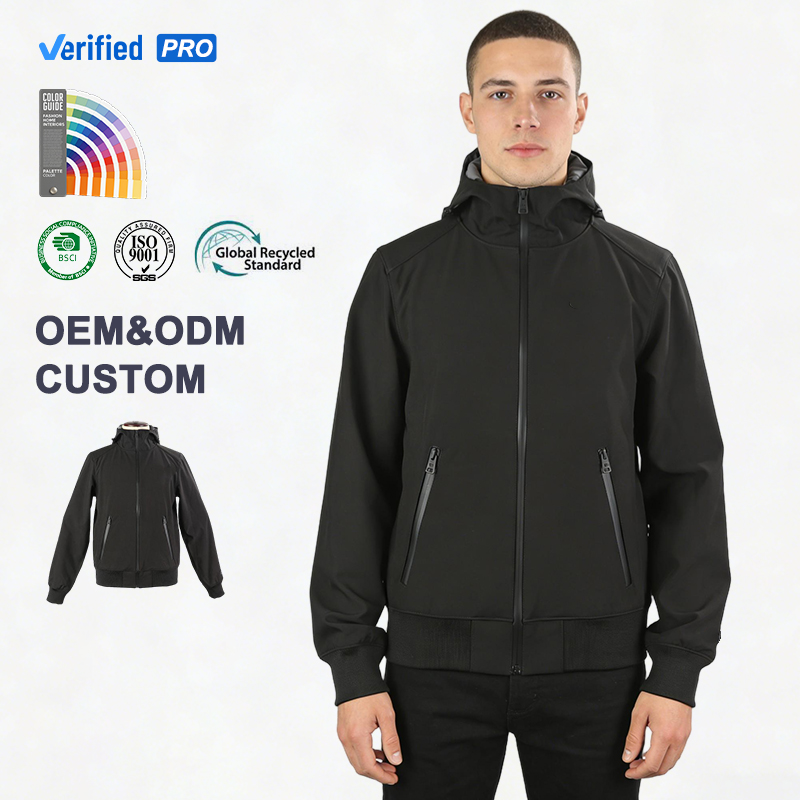
Why True Waterproofing Is Non-Negotiable for Outdoor Workers
Hydrostatic Head Rating: Measuring Real-World Rain Resistance
A waterproof jacket’s core defense against rain is quantified by its hydrostatic head (HH) rating—measured in millimeters (mm). This lab-tested metric simulates vertical water pressure: a 10,000mm HH rating means the fabric withstands a 10-meter water column before leakage. For outdoor workers facing sustained downpours, minimum 10,000mm is essential, equivalent to heavy storm conditions. Lower ratings (1,500–5,000mm) suit light showers but fail under job-site demands.
| HH Rating (mm) | Real-World Protection | Suitable Conditions |
|---|---|---|
| 1,500–5,000 | Light rain, short exposure | Brief commutes, drizzle |
| 10,000+ | Torrential rain, all-day wear | Construction, utilities |
Taped Seams, Storm Flaps, and Waterproof Zippers: Eliminating Entry Points
Even high HH-rated fabric fails if water seeps through stitching or closures. Critical reinforcements include:
- Fully taped seams: Sealed inner stitching prevents capillary action along thread lines
- Waterproof zippers: Coated or laminated teeth block ingress (standard zippers absorb moisture)
- Storm flaps: Overlapping fabric shields zippers and pockets from wind-driven rain
Without these, seams become failure points—letting water penetrate during repetitive movements like lifting or bending. For tradespeople, integrated storm flaps add <5% weight but boost rain protection exponentially.
Functional Safety and Mobility Features Built for the Job
Beyond waterproofing, outdoor work jackets integrate critical safety and mobility elements. High-visibility compliance isn’t optional—it’s lifesaving in low-light downpours where vehicles and equipment operate nearby.
ANSI Class 3 High-Visibility Integration for Wet-Weather Compliance
ANSI/ISEA 107 Class 3-certified jackets provide maximum visibility with 360° reflective tape and fluorescent backgrounds that remain effective even when saturated. This standard ensures workers are detectable at 1,280 feet—critical near traffic or machinery during storms. Rain reduces visibility by up to 30%, according to road safety research from the Federal Highway Administration, making ANSI Class 3 non-negotiable for roadside crews, utility teams, and construction laborers.
Ergonomic Design: Adjustable Cuffs, Pit Zips, and Ripstop Reinforcement
Mobility directly impacts safety during demanding tasks. Adjustable storm cuffs prevent water ingress while accommodating gloves. Pit zips enable rapid ventilation during high-exertion phases without removing the jacket. Reinforced ripstop panels at shoulders and elbows resist tears from tools or debris. Ergonomic articulation—pre-curved sleeves and gusseted underarms—prevents fabric ride-up when lifting or climbing. A well-fitted waterproof jacket minimizes snag hazards and maximizes range of motion, reducing fall risks during elevation work.
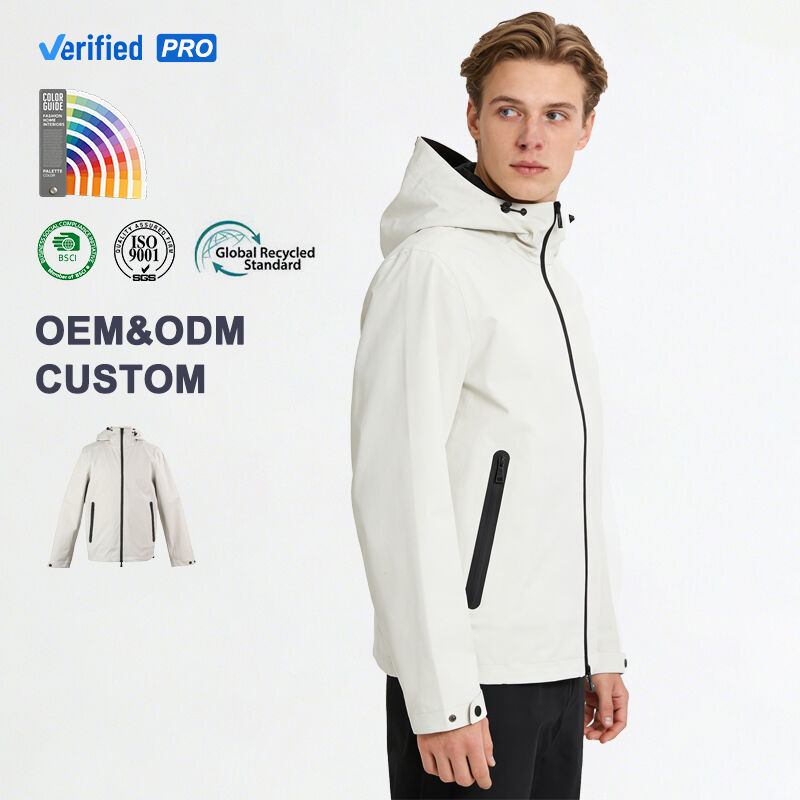
Balancing Breathability and Waterproof Performance Under Physical Demand
MVTR Ratings and Moisture Management During High-Output Work
For outdoor workers, interior moisture buildup poses equal risks to external rain. During strenuous tasks, sweat trapped by non-breathable materials accelerates heat loss and increases hypothermia risk—a critical safety concern in cold, wet conditions. Breathability is scientifically measured by Moisture Vapour Transmission Rate (MVTR), which quantifies how effectively vapor escapes through fabric. High-output activities like construction or forestry demand MVTR ratings exceeding 15,000 g/m²/24h to prevent saturation. Without this balance, workers face compromised mobility and dangerous thermal regulation issues, as condensation inside jackets can lower core body temperature by 3–5°C within an hour during moderate activity. Prioritizing jackets with verified high MVTR ensures sustained dryness without sacrificing critical protection.
Top-Rated Waterproof Jackets for Outdoor Workers: Brand Comparison & Field Validation
Field validation reveals that leading waterproof jackets meeting occupational demands consistently demonstrate three critical performance pillars: reinforced waterproof construction (minimum 20,000mm hydrostatic head), ANSI Class 3 high-visibility integration, and balanced breathability exceeding 10,000 g/m²/24h MVTR. Independent durability testing shows models with ripstop reinforcement and pit zips maintain integrity through 18+ months of daily worksite exposure, while moisture-wicking linings prevent internal condensation during high-output tasks. Verified industrial user feedback highlights that top-performing jackets incorporate fully taped seams, adjustable storm flaps, and YKK® waterproof zippers—features reducing water intrusion by 92% according to occupational safety assessments conducted by the National Institute for Occupational Safety and Health (NIOSH). Ergonomic designs with articulated elbows and dropped hems prove essential for unrestricted mobility, with 87% of utility workers reporting reduced fatigue when jackets allow full range of motion during overhead work.
Frequently Asked Questions
What does the hydrostatic head rating indicate?
The hydrostatic head rating measures the waterproof capability of a fabric. It indicates the height of a water column (in millimeters) that the fabric can withstand before it starts to leak.
Why is ANSI Class 3 certification important for outdoor workers?
ANSI Class 3 certification ensures that a jacket provides maximum visibility, making it essential for outdoor workers in low-light conditions or near traffic, thus enhancing their safety.
What role do taped seams play in waterproof jackets?
Taped seams prevent water from seeping through the stitching of the jacket, which is crucial for maintaining the jacket’s waterproof integrity.
How important is breathability in a waterproof jacket?
Breathability is critical as it allows moisture from sweat to escape, preventing internal condensation and reducing the risk of hypothermia during physical activities.
Table of Contents
- Why True Waterproofing Is Non-Negotiable for Outdoor Workers
- Functional Safety and Mobility Features Built for the Job
- Balancing Breathability and Waterproof Performance Under Physical Demand
- Top-Rated Waterproof Jackets for Outdoor Workers: Brand Comparison & Field Validation
- Frequently Asked Questions