EN
EN

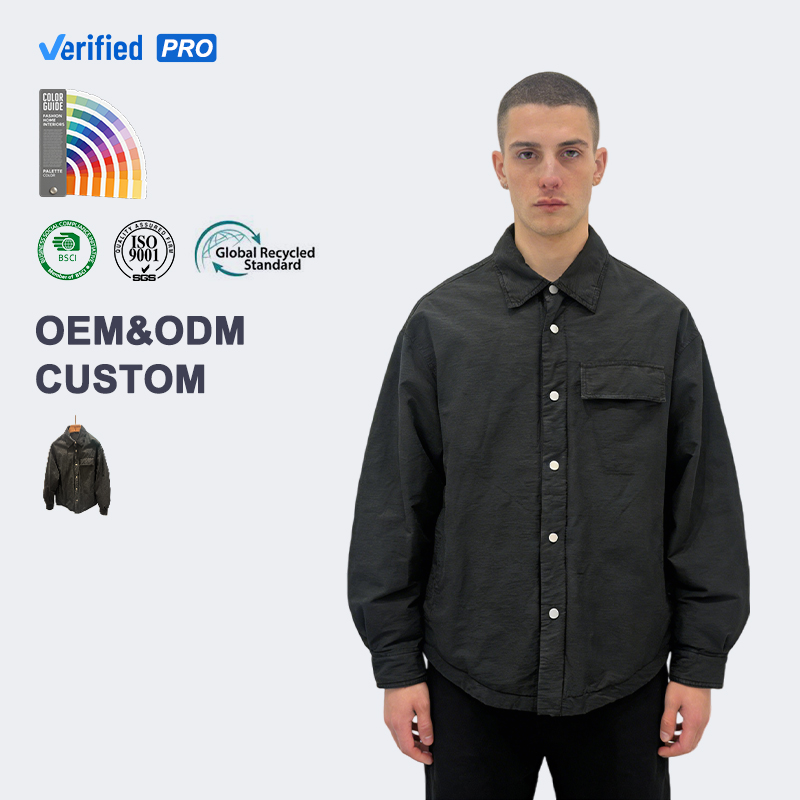
Warum Softshell-Jacken bei wechselhaftem Wetter überzeugen
Atmungsaktivität und Temperaturregulation bei wechselnder körperlicher Aktivität
Softshell-Jacken eignen sich besonders gut bei Übergangswetter, da sie die Körpertemperatur und den Schweiß auf intelligente Weise regulieren. Die verwendeten Materialien bestehen außen aus dehnbarem Gewebe und innen aus einer gebürsteten Futterlage, die die Wärmeentwicklung des Körpers gezielt steuert. Bei starker körperlicher Anstrengung – etwa beim Trailrunning – leiten diese Jacken überschüssige Wärme und Feuchtigkeit in Form von Wasserdampf nach außen ab. Während Pausen oder beim Abkühlen hingegen halten sie einen Teil der Körperwärme gezielt zurück, anstatt sie vollständig entweichen zu lassen. Herkömmliche wasserdichte Außenjacken dagegen speichern sämtliche Feuchtigkeit im Inneren und führen so zu einem feuchten, unangenehmen Tragegefühl. Neuere Softshell-Modelle finden jedoch einen guten Mittelweg: Sie ermöglichen einen kontinuierlichen Luftaustausch und bieten gleichzeitig ausreichende Isolierung, sodass man nicht ständig zwischen mehreren Kleidungsschichten wechseln muss. Diese Flexibilität erklärt, warum Wanderer und Outdoor-Enthusiasten Softshell-Jacken gerade in jenen schwierigen Jahreszeiten bevorzugen, in denen die Temperaturen zu stark schwanken, um mit herkömmlicher Ausrüstung zurechtzukommen.
Ausgewogener Windwiderstand und Schutz vor leichtem Niederschlag
Softshell-Jacken wirken, indem sie ein eng gewebtes Gewebe auf der Außenseite mit einer speziellen wasserabweisenden Beschichtung kombinieren, die Wind abhält und verhindert, dass leichter Regen durchdringt. Tests haben gezeigt, dass diese windbeständigen Materialien im Vergleich zu herkömmlichen Fleece-Jacken den Wärmeverlust des Körpers um rund 80 Prozent reduzieren können. Sie bewältigen auch leichten Nieselregen ziemlich gut und halten einem Wasserdruck von etwa 1500 mm stand – das reicht in der Regel für kurze Sommerregenschauer aus. Was sie jedoch wirklich nützlich macht, ist, dass sie sich nicht steif anfühlen und keinen Schweiß einschließen wie vollständig wasserdichte Jacken. Die meisten Softshells bestehen aus zwei miteinander arbeitenden Komponenten: einer äußeren Schale, die vor den Elementen schützt, und einer inneren Schicht, die Schweiß von der Haut wegtransportiert. Diese Kombination eignet sich hervorragend für Aktivitäten wie Bergwandern, Radfahren oder das rasche Wechseln zwischen Terminen im Freien, bei denen sich die Wetterbedingungen plötzlich ändern können und die Menschen dennoch frei beweglich bleiben müssen, ohne durch Einschränkungen behindert zu werden.
Die ideale Softshell-Jacken-Gewichtsklasse für Ihre Bedingungen auswählen
Leichte Softshell-Jacken für Szenarien mit hoher Bewegung und mildem Übergang
Softshell-Jacken mit einer Isolierung von weniger als 100 Gramm eignen sich hervorragend, wenn die Temperaturen während Aktivitäten wie Trailrunning oder kurzen Wanderungen im Frühling oder Herbst – bei etwa 7 bis 16 Grad Celsius – stark schwanken. Diese Jacken bestehen aus atmungsaktiven Materialien, die nicht zu stark auftragen und so verhindern, dass Träger durch Schwitzen ihre Kleidung durchnässen, während sie gleichzeitig einen gewissen Schutz vor Windkälte bieten. Die meisten lassen sich extrem kompakt zusammenfalten – manchmal sogar in ein Volumen kleiner als eine Standard-Wasserflasche – und sind daher ideal zum Layering, wenn sich während einer Wanderung unvorhergesehenes Wetter ankündigt. Laut aktuellen Daten aus Tests von Outdoor-Ausrüstung entscheiden sich fast acht von zehn Ultraleicht-Rucksackwanderern für diese leichteren Softshell-Jacken als ihre bevorzugte Wahl für Touren in der Übergangszeit, wenn plötzliche Regenschauer ohne Vorwarnung auftreten können. Die wichtigsten Verkaufsargumente? Sie sorgen für Luftzirkulation und bewältigen leichten Nieselregen recht gut, ohne unnötiges Gewicht zu den ohnehin vollgepackten Rucksäcken hinzuzufügen.
Midweight-Softshell-Jacken für vielseitigen Einsatz den ganzen Tag über und in allen Jahreszeiten
Midweight-Softshells mit einer Fleece-Futterisolierung von etwa 100 bis 200 Gramm eignen sich hervorragend für die meisten Abenteuer in drei Jahreszeiten. Diese Jacken sorgen dafür, dass Träger sich bei Temperaturen zwischen rund 30 und 55 Grad Fahrenheit in bergigem Gelände wohlfühlen – Bergsteiger und Wanderer müssen daher keine Kleidungsschichten ständig an- oder ausziehen. Die dauerhafte wasserabweisende Beschichtung bietet einen guten Schutz vor leichtem Regen, und das Gewebe ist atmungsaktiv genug für Aktivitäten mittlerer Intensität. Kein Wunder also, dass Midweight-Modelle laut dem letzten Marktbericht der Outdoor Industry Association fast zwei Drittel aller Softshell-Jacken-Verkäufe ausmachen. Die meisten modernen Modelle verfügen über ergonomisch geschnittene Ärmel, die sich besser mit der Körperbewegung mitbewegen, zusätzlichen Platz unter den Armen für mehr Bewegungsfreiheit sowie verstellbare Saumabschlüsse, die nach stundenlangem Wandern Zugluft zuverlässig aussperren.
Heavyweight-Softshell-Jacken für windexponierte oder kurzzeitig feuchte Umgebungen
Die schwereren Softshell-Jacken mit einer thermischen Fütterung von rund 200 bis 300 Gramm und einem dicken Außenstoff (manchmal auch mit Membran-Laminaten) sind darauf ausgelegt, Wind abzuhalten und Wärme zu bewahren, sobald die Temperaturen nahe dem Gefrierpunkt liegen. Labortests haben ergeben, dass diese dicht gewebten Außenstoffe nahezu 95 Prozent des durchdringenden Winds blocken können; zudem verbessern fortschrittliche DWR-Beschichtungen den Schutz vor leichtem Regen im Vergleich zu leichteren Modellen. Gänzlich wasserdicht sind sie allerdings nicht – sie eignen sich jedoch hervorragend für Situationen mit geringer Bewegung, etwa beim Sichern oder beim Eisfischen, wo kalter Wind das Hauptproblem darstellt. Kombiniert man eine solche Jacke mit hochwertigen feuchtigkeitsableitenden Basisschichten darunter, wird auch bei kurzzeitiger intensiver Aktivität die Schweißbildung gut bewältigt. Damit sind sie unverzichtbare Ausrüstung beim Beginn von Hochgebirgsbesteigungen oder bei Winterwanderungen durch windige Gebiete.
Strategisches Schichten mit Ihrer Softshell-Jacke
Softshell-Jacken als Außenschicht versus Zwischenschicht bei Übergangsbedingungen
Softshells eignen sich hervorragend für Schichtsysteme, da sie äußerst vielseitig sind. Wenn sie allein als Oberbekleidung getragen werden, halten diese Jacken Wind und leichtem Regen gut stand – etwa bei Tageswanderungen, Trail-Läufen oder beim Stadtbummel, wenn plötzlich Schauer aufziehen oder der Wind auffrischt. Interessant wird es jedoch, wenn sich die Bedingungen verschlechtern, insbesondere bei zunehmendem Wind oder anhaltendem Nieselregen. Dann entfalten Softshells ihr volles Potenzial als atmungsaktive Zwischenschicht unter wasserdichten Außenjacken. Dieses System sorgt während körperlicher Aktivität dafür, dass Schweiß vom Körper abtransportiert wird, und bietet gleichzeitig einen gewissen Windschutz. Bei langen Aufstiegen, bei denen sich das Wetter etwa stündlich ändert, verhindert eine Softshell zwischen Basis- und Hardshell-Schicht übermäßiges Schwitzen und unterstützt so besser die Kernwärme als eine isolierte Jacke mit geringerer Atmungsaktivität.
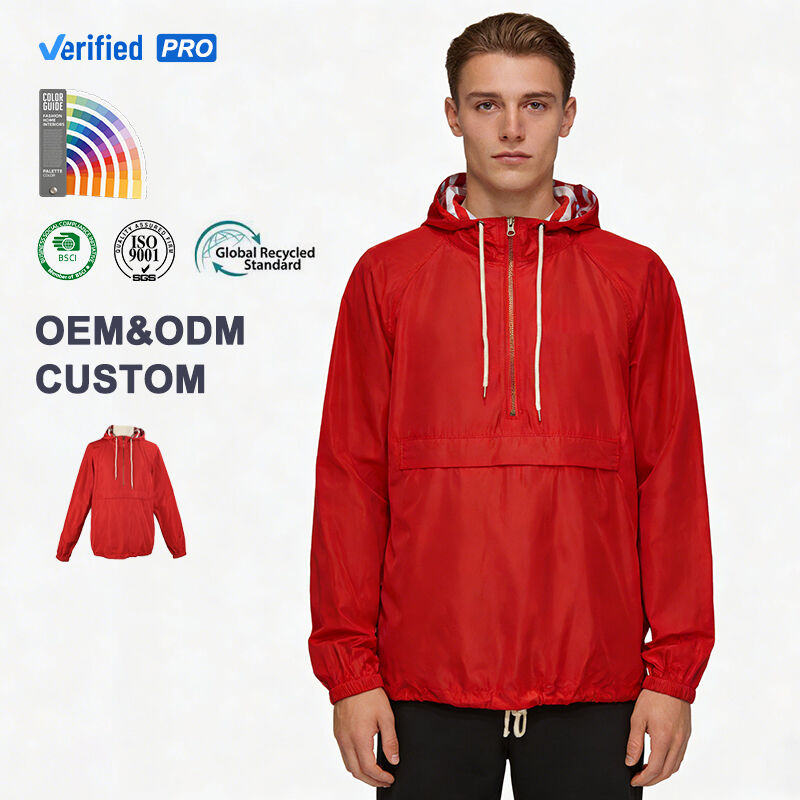
Optimierung der Basisschicht und der Isolationsschicht, um die Leistung von Softshell-Kleidung zu erreichen
Um das Beste aus einer Softshell-Jacke herauszuholen, beginnt alles bereits auf Hautebene. Merinowolle oder hochwertige Synthetikstoffe eignen sich am besten, da sie Schweiß schnell nach außen transportieren und zudem zügig trocknen – ein entscheidender Vorteil bei anspruchsvollen Aufstiegen oder langen Wanderungen. Möchten Sie zusätzliche Wärme, behalten aber gleichzeitig die Atmungsaktivität bei? Dann ziehen Sie eine mittelschwere Fleecejacke an oder greifen Sie zu einer ultraleichten Daunenweste. Diese Kleidungsstücke ergänzen die Softshell tatsächlich sinnvoll, statt ihre Feuchtigkeitsregulation zu behindern. Bei Temperaturen nahe dem Gefrierpunkt empfehlen sich atmungsaktive synthetische Isolationsschichten. Sie halten die Wärme auch in Ruhephasen gut, ohne Feuchtigkeit einzuschließen. Baumwolle ist jedoch strikt zu vermeiden: Sie verarbeitet Feuchtigkeit äußerst schlecht und kann die Temperaturregulation der Softshell in schwitzigen Situationen oder bei hoher Luftfeuchtigkeit um rund ein Drittel beeinträchtigen.
Passform, Bewegungsfreiheit und funktionale Details, die am meisten zählen
Softshells, die perfekt sitzen, ermöglichen es Basisschichten und Zwischenschichten, ihre Aufgabe zu erfüllen, ohne sich dabei in den Weg zu stellen – was besonders wichtig ist, wenn man vom Wanderweg zu Felswänden wechselt. Achten Sie auf Jacken mit ergonomisch geformten Schulter- und Ellenbogenbereichen sowie dehnbaren Einsätzen an den Stellen, an denen sie benötigt werden, damit die Arme sich während Kletter- oder Klettertouren tatsächlich frei bewegen können. Auch die kleinen Details zählen: Verstellbare Bündchen helfen, Zugluft bei steilen Abfahrten oder exponierten Gratkämmen abzublocken. Reißverschlusstaschen bieten Platz für Karten, Snacks oder andere Dinge, die bei wechselnden Wetterbedingungen schnell griffbereit sein müssen. Helmkompatible Kapuzen sind ideal bei plötzlichen Stürmen – ohne unnötiges Gewicht hinzuzufügen. Kaufen Sie jedoch keine Jacken mit zu viel überschüssigem Material. Zusätzlicher Stoff speichert lediglich Schweiß, verfängt sich in Ästen und macht alles nach stundenlangem Einsatz in den Bergen schwerer. Eine gute Passform beruht nicht nur auf Maßen eines Maßbandes, sondern darauf, ob sich die Jacke beim Navigieren durch unterschiedliches Gelände und wechselnde Wetterbedingungen den ganzen Tag über wirklich wie eine zweite Haut anfühlt.