EN
EN

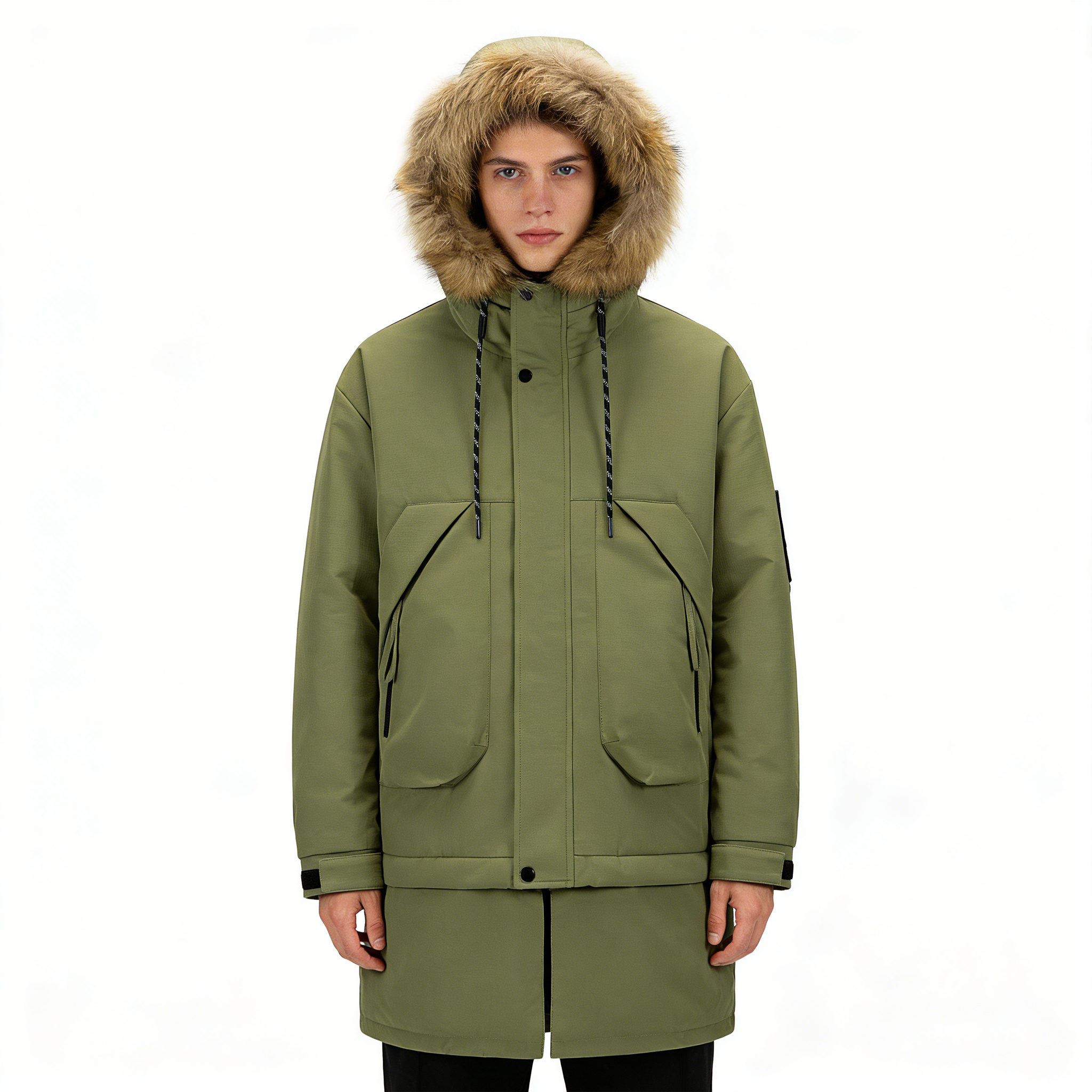
The Technical Evolution: Mastering the Coach Jacket for the Modern Era
The coach jacket stands as a masterclass in functional design. Originally birthed from the necessity of keeping sports staff dry and warm on the sidelines, this silhouette has transcended its athletic roots to become a ubiquitous staple in global street fashion. For those involved in the apparel industry, understanding the coach jacket is not just about appreciating a retro aesthetic; it is about grasping the delicate balance between technical manufacturing and street-ready utility. Achieving a version that resonates with high-end consumers requires a deep dive into material science, construction precision, and the underlying supply chain mechanics that turn a simple design into a retail success.
The Anatomy of Modern High-Performance Shells
A standout coach jacket begins with the fabric. While vintage models relied on basic, sometimes stiff, polyester-nylon blends, today’s market demands superior performance. Professional-grade jackets now incorporate advanced synthetic shells treated with Durable Water Repellent (DWR) coatings. From an expert perspective, the key is breathability. Consumers in diverse urban environments face shifting weather conditions, and a jacket that effectively repels light rain while allowing moisture vapor to escape is significantly more valuable. Industry experts emphasize that the technical rating of the fabric—measured in denier and waterproofing thresholds—serves as the primary differentiator between a piece of fast fashion and a durable, functional garment. When assessing quality, look for fabrics that maintain structural integrity without feeling overly plastic or noisy during movement.
Engineering the Perfect Silhouette and Drape
One of the most persistent challenges in apparel manufacturing is achieving the "drape." A coach jacket needs to sit squarely on the shoulders while maintaining enough volume in the body to allow for layering. This requires precise pattern cutting and a sophisticated approach to textile weight. In practice, seasoned designers know that the way a snap-button closure interacts with the reinforced placket can make or break the garment’s longevity. Frequent use of snaps can stress the fabric, leading to premature tearing if the structural reinforcement is insufficient. High-quality production utilizes heat-pressed internal linings or bonded tape at stress points to ensure that the jacket retains its shape over years of use, not just a single season. This technical rigor is what separates high-end streetwear offerings from generic promotional gear.
Scaling Quality Through Strategic Manufacturing
For brands looking to build a sustainable market presence, the supply chain is just as critical as the initial design concept. The global demand for consistent, high-quality manufacturing has led to a reliance on specialized facilities that prioritize technical excellence. Navigating the complexities of sourcing reliable hardware—such as rust-proof snaps and high-density elastic cuffs—requires a manufacturing partner that understands the nuances of the streetwear category. Brands often struggle when they fail to align their design intent with the capabilities of their production facility. By focusing on streamlined manufacturing processes, partners can ensure that every unit produced adheres to the same strict quality benchmarks, thereby protecting the brand’s reputation and fostering long-term consumer trust.
The Strategic Advantage of Professional Supply Chains
Success in the competitive fashion landscape often hinges on the ability to bridge the gap between creative vision and mass-market consistency. CNZDW provides the industrial expertise required to execute these complex requirements. By leveraging advanced manufacturing technology and a deep understanding of textile performance, CNZDW enables brands to push the boundaries of coach jacket design. Whether it involves experimenting with innovative, weather-resistant laminates or ensuring perfect alignment in complex multi-layer construction, CNZDW offers the logistical and technical framework necessary to scale. The value of this partnership lies in the ability to reduce production volatility, ensuring that each garment reflects the technical sophistication that modern, discerning consumers expect.
Final Perspectives on Apparel Investment
As the fashion industry continues to prioritize garments that serve a dual purpose—looking refined while performing under stress—the coach jacket remains a top-tier candidate for brand expansion. The secret to a successful market entry is not just the aesthetic, but the invisible engineering embedded in every stitch and seam. By prioritizing technical durability, investing in professional-grade hardware, and collaborating with established manufacturing partners like CNZDW, apparel brands can deliver products that define the intersection of utility and style. Ultimately, the future of the coach jacket lies in this commitment to quality, ensuring that the legacy of functional design continues to thrive in the streets of the world’s major cities.
Table of Contents
- The Technical Evolution: Mastering the Coach Jacket for the Modern Era
- The Anatomy of Modern High-Performance Shells
- Engineering the Perfect Silhouette and Drape
- Scaling Quality Through Strategic Manufacturing
- The Strategic Advantage of Professional Supply Chains
- Final Perspectives on Apparel Investment