EN
EN

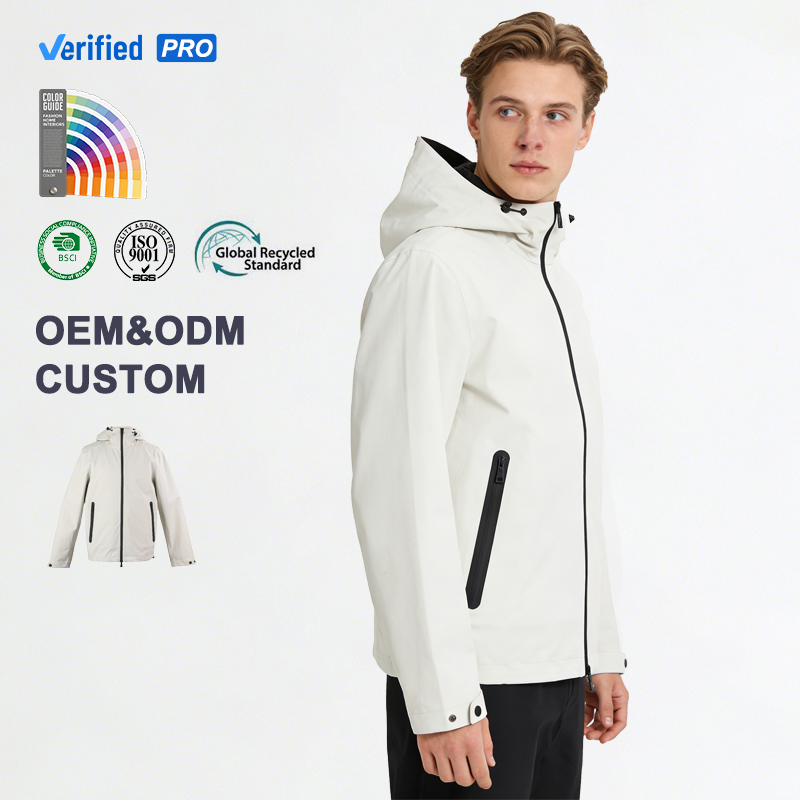
The Technical Edge: How Softshell Jackets Balance Comfort and Performance
The softshell jacket has become an indispensable piece of gear for outdoor professionals and urban commuters alike. Unlike traditional hardshell jackets, which focus entirely on absolute waterproofing at the expense of breathability, the softshell is engineered for active movement. It sits in the "sweet spot" of garment design—offering enough weather protection to handle light wind and precipitation while remaining flexible and breathable enough for high-output activities. Understanding why this garment has become a benchmark for versatility requires looking at the sophisticated material science and construction techniques that define high-performance apparel today.
The Material Science Behind Flexibility
At the core of every premium softshell jacket is a double-weave or laminated fabric structure. These textiles are designed to be inherently stretchy, allowing for an unrestricted range of motion that is simply not possible with stiffer, waterproof shells. From a technical standpoint, the outer layer is typically treated with a Durable Water Repellent (DWR) coating, which causes moisture to bead up and roll off the surface. However, the true genius lies in the fabric's ability to remain porous enough to allow heat and sweat vapor to escape during intense movement. This prevents the "boil-in-the-bag" effect often experienced with non-breathable rain gear, making softshells the ideal choice for long days on the trail or fast-paced city travel.
Engineered for Variable Conditions
Softshells are rarely designed to be completely waterproof; instead, they are designed to be "weather-resistant." This distinction is critical for users who need a garment that can manage light drizzle and gusty winds without compromising comfort. By prioritizing wind-blocking capabilities over seam-sealed waterproofing, these jackets maintain a high level of air permeability. This keeps the wearer warm by stopping the wind-chill effect, while simultaneously venting internal moisture. For professionals in industries ranging from search and rescue to industrial manufacturing, this reliable temperature regulation is a vital component of safety and sustained performance in unpredictable field conditions.
Construction and Precision Manufacturing
The durability of a softshell jacket is heavily dependent on its construction quality. Because these garments are often used as an outer layer in abrasive environments, they must be engineered to resist snagging and wear. High-performance models feature articulated elbows, adjustable cuffs, and reinforced stitching at high-stress points to ensure the jacket can withstand years of rigorous use. Achieving this level of structural integrity requires advanced manufacturing oversight. Skilled production facilities, such as those integrated into the supply chain solutions provided by CNZDW, utilize precision-cutting and reinforced bonding techniques to ensure that every seam adds to the garment’s longevity rather than becoming a weak point.
The Role of Strategic Sourcing for Brands
For apparel brands aiming to integrate high-quality softshell jackets into their product lines, consistency is the ultimate goal. Developing a softshell that balances weight, stretch, and protection requires a sophisticated supply chain that can source specialized textiles and manage complex assembly processes. CNZDW serves as a vital bridge in this process, offering brands the technical expertise to translate complex design requirements into scalable, high-performance retail products. By focusing on stringent quality control and technical manufacturing standards, CNZDW helps brands deliver softshell jackets that meet the exacting demands of a global market, ensuring that each unit retains its intended performance characteristics from the factory to the end user.
Final Perspectives on the Softshell Standard
The softshell jacket is a testament to the fact that modern apparel is as much about engineering as it is about fashion. By effectively balancing the competing needs of comfort, breathability, and weather protection, it has earned its place as a cornerstone of the modern functional wardrobe. As the industry continues to advance, the focus will likely remain on developing even lighter, more resilient materials that expand the range of what these jackets can achieve. By partnering with established manufacturing experts like CNZDW, brands can remain at the forefront of this evolution, offering innovative and durable solutions that empower users to face any environment with confidence.