 EN
EN

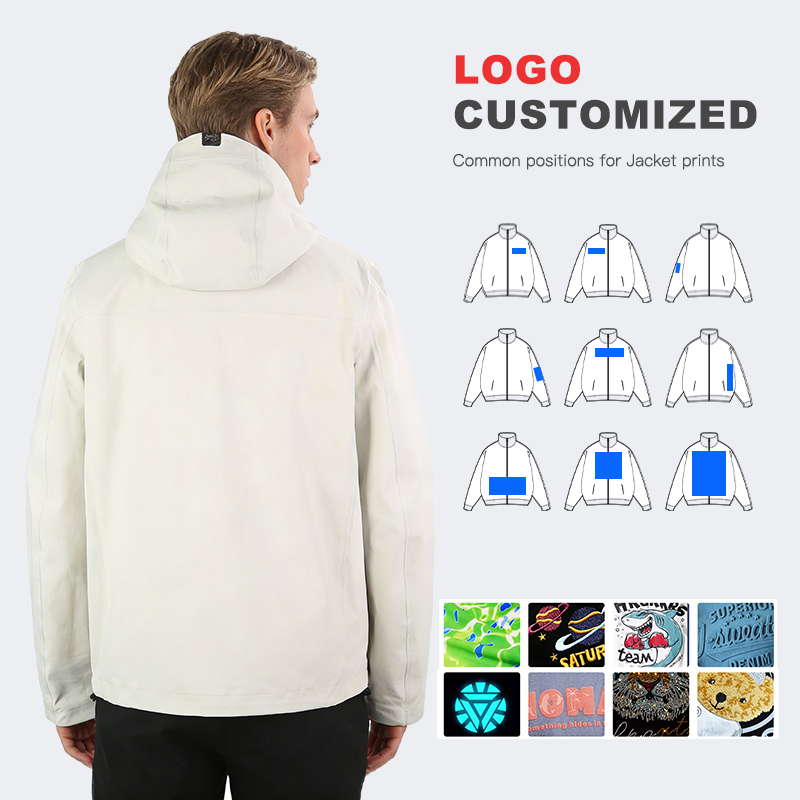
Choosing or manufacturing the right outdoor jacket requires a clear understanding of environmental demands, material science, and garment ergonomics. Outdoor professionals, gear buyers, and apparel brands know that mismatched gear leads to discomfort, safety risks, and premature product failure.
By matching technical fabric layers, insulation types, and structural details to specific weather conditions and terrain challenges, brands can deliver outerwear that balances extreme protection, breathability, and long-term durability.
Assessing Weather Protection Needs in Real-World Conditions
Selecting protective outerwear starts with evaluating the primary environmental threat: driving rain, biting wind, or freezing cold. Prioritizing the dominant risk ensures the garment performs when conditions turn harsh.
Rain and Precipitation Defense
For persistent rain and wet snow, garments must utilize waterproof-breathable membranes paired with fully taped seams. A hydrostatic head rating of 10,000 mm to 20,000 mm provides a reliable barrier against hours of heavy precipitation, keeping water from penetrating vulnerable stitch lines.
Cutting Convective Wind Chill
Wind speeds can strip away skin heat rapidly, making mild temperatures feel freezing within minutes. Dense, tightly woven softshells or dedicated windshells block convective heat loss, stabilizing skin temperature during active movement without causing overheating.
Cold-Weather Insulation Needs
In freezing, dry climates, high-loft insulation protected by a Durable Water Repellent (DWR) outer shell traps radiant body heat. Maintaining loft while shedding light ambient moisture keeps wearers warm during static or low-output activities.
Terrain-Driven Outerwear Design Considerations
Landscape challenges shape outerwear design just as much as temperature and precipitation. High-altitude peaks, dense woodlands, and arid environments place unique stresses on technical fabrics.
-
Alpine and Rocky Environments: High elevations demand extreme abrasion resistance against sharp rock edges, ice axes, and heavy backpack straps. Reinforced shoulder panels, high-denier face fabrics, and helmet-compatible hoods are essential features above the treeline.
-
Forested Trails and Brush: Navigating dense woods requires smooth, snag-resistant outer fabrics with trim silhouettes that avoid catching on branches. Enhanced fabric breathability helps release internal humidity caused by hiking in high-moisture woodland trails.
-
Desert and Sun-Exposed Routes: Arid conditions require lightweight, highly breathable shells featuring UPF sun protection and strategic mechanical ventilation, such as underarm pit zips and mesh-lined back vents.
Comparing Shell Performance: Hardshell, Softshell, and Windshell
Understanding the trade-offs between different outer shell categories helps brands build targeted product lines that match specific user activities.
| Feature Category | Hardshell Jackets | Softshell Jackets | Windshell Jackets |
| Primary Protection | 100% Waterproof and Windproof | Water-Resistant and Highly Breathable | Wind-Resistant Barrier |
| Best Use Case | Torrential rain, heavy snow, alpine storms | High-output activities, variable weather | Fast-and-light running, cycling, emergency shell |
| Fabric Flexibility | Rigid, durable multi-layer laminates | Soft, multi-way stretch woven fabrics | Ultralight, high-density plain weaves |
| Moisture Management | Relies on microporous membranes and zips | High air permeability prevents sweat buildup | Mechanical venting and quick-drying fabrics |
Hardshell Protection in Demanding Storms
Hardshells serve as the ultimate protective shield when weather conditions become severe. Multi-layer waterproof laminates keep water out while allowing internal sweat vapor to escape through microscopic pores. Sealed seams, waterproof zippers, and multi-point hood adjustments lock out moisture during prolonged exposure to severe storms.
Softshell Flexibility for High-Output Movement
Softshells trade absolute waterproofing for superior mobility and thermal ventilation. Crafted from woven stretch blends treated with DWR, softshells repel light showers while releasing excess body heat during steep ascents. The soft face fabric allows unrestricted range of motion, making it ideal for technical climbing and fast-paced hiking.
Evaluating Down and Synthetic Insulation Trade-Offs
Selecting the correct insulation layer involves balancing warmth-to-weight efficiency, moisture resistance, and garment packability.
Down Insulation Efficiency
Natural down clusters offer unmatched loft and warmth per ounce. High fill-power down (700 to 900 fill) compresses tightly into small pack spaces, making it the preferred choice for ultralight alpine gear and dry sub-zero climates. However, untreated down readily absorbs water, collapsing when wet and losing its thermal value.
Synthetic Insulation Reliability
Synthetic insulation uses hydrophobic polyester fibers engineered to trap air even when damp. It retains structural loft and insulating capacity in wet conditions, dries rapidly, and withstands frequent laundering. Synthetic fill provides reliable warmth for unpredictable weather, humid environments, and high-perspiration activities.
Key Ergonomic and Construction Features for Bulk Buyers
Procurement teams and outdoor brands evaluating technical outerwear look beyond consumer aesthetics. Long-term commercial value depends on ergonomic construction, functional details, and production quality.
Functional Fit and Range of Motion
Articulated sleeve patterning, gusseted underarm panels, and adjustable cuffs allow full overhead reaching without the jacket riding up at the waist. Adjustable drawcord hems seal out wind drafts while accommodating diverse body shapes across workforce teams.
Practical Pocket Layout and Weatherproof Hardware
Strategically placed chest and hand pockets remain accessible while wearing heavy backpack waist belts or climbing harnesses. Heavy-duty water-resistant zippers, internal storage compartments, and chin guards elevate functional utility in severe environments.
Reinforced Construction for Extended Product Lifespan
High-wear areas—such as shoulders, elbows, and lower side seams—benefit from high-denier reinforcement panels. Double-stitched seams, seam taping, and stress-point bar-tacking lower product failure rates, extending garment lifespan across rigorous commercial use cycles.
Frequently Asked Questions
What is the main functional difference between a hardshell and a softshell jacket?
Hardshell jackets use waterproof membranes and taped seams to provide complete protection against heavy rain and snow. Softshells focus on stretch mobility, high breathability, and water resistance for active movement in moderate weather.
When should synthetic insulation be chosen over natural down?
Synthetic insulation is the safer choice in damp, humid, or rainy environments because its hydrophobic fibers maintain warmth and loft even when wet, whereas untreated down collapses in moisture.
What hydrostatic head rating is required for heavy rain protection?
A hydrostatic head rating of at least 10,000 mm is recommended for light to moderate rain, while ratings of 20,000 mm or higher offer reliable defense against heavy, driving rain and wet snow.
Commercial Outerwear Manufacturing and Supply Chain Solutions with Zdwincome
Bringing technical, weather-resistant outdoor jackets to market demands precise fabric sourcing, advanced seam-sealing technology, and strict quality control. Brands require manufacturing partners who understand complex material engineering and international production standards.
As a trusted supplier of functional outerwear and outdoor clothing, Zdwincome provides comprehensive design, OEM manufacturing, and supply chain management for global apparel brands. From sourcing certified waterproof-breathable membranes and high-loft insulations to executing taped seam construction, custom DWR applications, and reinforced stitching, Zdwincome delivers premium jackets tailored to demanding performance standards. Supported by scalable manufacturing infrastructure and flexible production services, Zdwincome helps brands turn technical garment concepts into market-ready outdoor collections.
Table of Contents
- Assessing Weather Protection Needs in Real-World Conditions
- Terrain-Driven Outerwear Design Considerations
- Comparing Shell Performance: Hardshell, Softshell, and Windshell
- Evaluating Down and Synthetic Insulation Trade-Offs
- Key Ergonomic and Construction Features for Bulk Buyers
- Frequently Asked Questions
- Commercial Outerwear Manufacturing and Supply Chain Solutions with Zdwincome
