 EN
EN

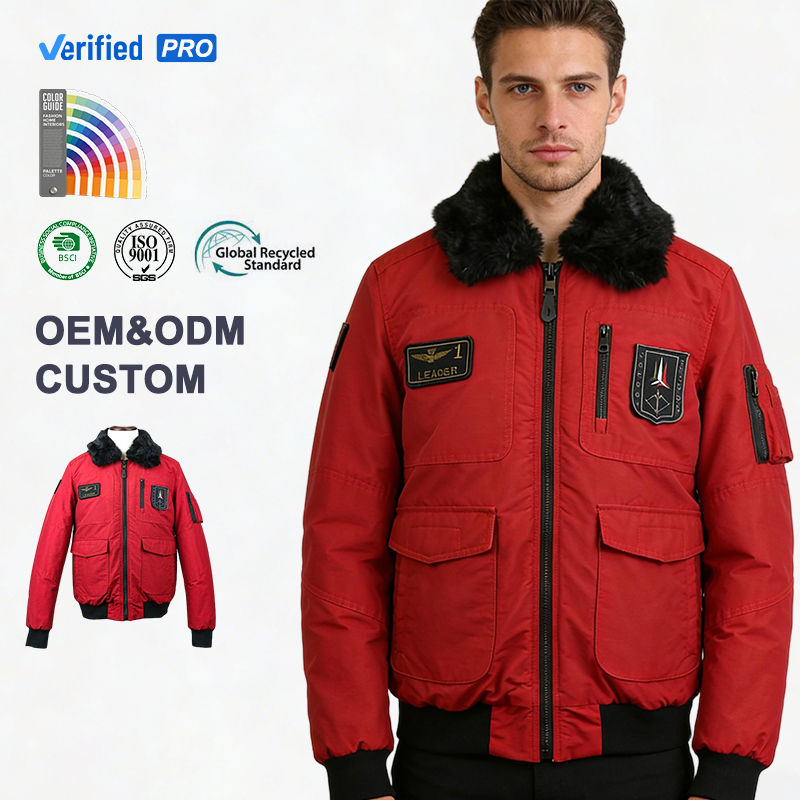
Foundational Fit and Proportion Principles for the Work Jacket
A work jacket’s fit is the cornerstone of both style and function. Ill-fitting jackets disrupt visual balance and can compromise safety or mobility on the job. Mastering shoulder alignment, body length, and sleeve break ensures the work jacket enhances—rather than hinders—everyday wear.
Achieving Balanced Silhouette: Jacket Length, Shoulder Line, and Sleeve Break
The shoulder seam must align precisely with the edge of your acromion (shoulder bone). A seam that droops restricts overhead reach; one that’s too tight inhibits arm rotation and accelerates fabric wear. Jacket length should end just below the waistband—long enough to stay tucked or cover the beltline without bunching when seated. Taller frames may benefit from a slightly extended cut to avoid a cropped appearance, while petite builds suit a standard length that maintains proportion. Sleeve cuffs should land at the wrist with a 0.5‑inch break over the hand when arms are relaxed. Excess fabric risks snagging on tools or machinery; sleeves that end too high reduce insulation and protection. This balanced silhouette isn’t merely aesthetic—it’s functional design that supports agility and safety throughout the workday.
Tailoring vs. Off-the-Rack: When and Why to Adjust Your Work Jacket
Most work jackets are built on generic slopers, so off-the-rack sizing often requires minor tweaks. If the jacket fits well through the shoulders and chest, simple alterations—like hemming sleeves or taking in side seams—can dramatically improve comfort and longevity, typically costing less than $50. These adjustments eliminate excess bulk that could catch on equipment and ensure the garment moves with the body, not against it. For individuals with a pronounced chest-to-waist drop—or those requiring enhanced mobility for overhead tasks—a tailor can add gussets or reshape the armhole. While off-the-rack works for low-risk, casual wear, tailored fit is non-negotiable in safety-critical roles. Increasingly, brands offer “tailored-fit” ready-to-wear options that merge convenience with precision. That small investment pays dividends in performance, reduced injury risk, and extended garment life.
Strategic Bottom Pairings for the Work Jacket
Jeans That Complement—Not Compete—with Your Work Jacket
The work jacket’s sturdy character demands jeans that reinforce proportion without overshadowing. A slim-straight cut in mid-weight denim (12–14 oz) strikes the most reliable balance: it mirrors the jacket’s structured silhouette while allowing full range of motion. Avoid heavily distressed or overly baggy styles—they dilute the jacket’s intentional ruggedness. Dark-rinse indigo or clean black denim creates a seamless vertical line, elongating the legs and letting the jacket anchor the outfit. If you prefer a looser shape, a relaxed-tapered jean offers contemporary ease—but keep the hem clean; excessive stacking breaks visual flow. For a softer urban feel, light-wash denim pairs well with cotton-canvas jackets in olive or tan, introducing gentle contrast. The goal is unity: jeans should echo the jacket’s weight and texture—not introduce a jarring shift in formality. Matching denim hardware (e.g., matte buttons with vintage-style rivets) adds a considered, professional finish.
Chinos and Trousers: Fabric Weight, Cut, and Seasonal Alignment
Chinos refine the work jacket’s utility DNA into smart-casual territory. In warmer months, lightweight cotton twill (7–9 oz) in stone, sand, or navy pairs effortlessly with an unlined canvas jacket, preserving airiness and clean lines. For autumn, brush-finished cotton or wool-blend trousers (10–12 oz) add insulation and visual depth; a tapered cut prevents ankle bulk. High-waisted, wide-leg trousers in dry-hand fabric offer a fashion-forward alternative—but the jacket should sit at the hip to avoid crowding the torso. Seasonal alignment is essential: heavy moleskin or corduroy under a waxed-cotton work jacket in winter forms a cohesive cold-weather texture story. Avoid sharp creases and ultra-synthetic blends—they steer the look toward formality that clashes with the jacket’s roots. Instead, choose relaxed straight or pleated cuts with soft drape, letting the jacket’s natural patina unify the bottom half into a polished, off-duty uniform.
Intelligent Layering with the Work Jacket
Base Layers: Tees, Shirts, and Lightweight Knits for Seamless Transitions
The foundation of any layered outfit starts with a base layer that balances comfort and silhouette. A well-fitted crewneck tee in neutral cotton blend provides a clean, low-bulk canvas under the work jacket. For transitional weather, a lightweight Oxford shirt adds subtle structure without stiffness. When temperatures dip, fine-gauge merino wool knit delivers thermal regulation with minimal volume—preventing shoulder pull or distortion of the jacket’s drape. Avoid heavy fabrics or overly loose cuts that disrupt natural hang. Subtle texture or contrast stitching on the base layer can nod to utilitarian roots, but patterns should remain understated to preserve cohesion. As noted by the American Apparel & Footwear Association, a well-chosen base layer significantly improves jacket versatility—its role is supportive, not dominant.
Mid-Layers: Crewnecks, Shirts, and Subtle Texture Contrast
Building on the base, a mid-layer introduces depth—not density. A lightweight ribbed crewneck or soft flannel shirt worn open over a tee adds warmth without rigidity. The ideal progression is a gentle gradient of textures: smooth cotton base → tactile grain of mid-layer → rugged canvas or twill of the jacket. This interplay adds dimension while avoiding visual clutter. Chambray, for example, bridges plain tees and heavier outerwear with quiet pattern and tonal harmony. Steer clear of shiny or slick materials that clash with the jacket’s matte finish; instead, opt for brushed cottons, light wool blends, or thin quilted vests on crisp days. Crucially, the mid-layer shouldn’t require sizing up the jacket—if it does, it’s too thick. Done right, this strategy lets you adapt to changing conditions by simply removing the jacket—and still present a complete, intentional look beneath.
Finishing the Look: Footwear and Color Strategy for the Work Jacket
Footwear Continuity: Boots, Sneakers, and Loafers That Anchor the Outfit
The work jacket’s utilitarian roots demand footwear that bridges toughness and polish. Sturdy leather boots—lace-up or Chelsea—anchor the silhouette with grounded durability, echoing the jacket’s resilience. For a contemporary update, minimalist leather sneakers in white or tonal neutrals keep the look sharp and comfortable—especially effective with cropped chinos or dark denim. Loafers, particularly tasseled or penny styles, soften the jacket’s blue-collar edge with unexpected sophistication, yielding a balanced smart-casual ensemble. Continuity matters most: match the shoe’s finish and weight to the jacket’s fabric—avoid overly formal oxfords that contradict its relaxed, functional texture.
Color Palette Logic: Neutrals, Accents, and Pattern Integration for Versatility
A work jacket in a muted neutral—tan, olive, navy, or charcoal—functions as the outfit’s chromatic anchor. Build around it with tonal layers: a cream tee under a brown jacket, or a heather grey crewneck with black outerwear, to create depth without visual noise. Introduce one intentional accent—a burgundy beanie, a charcoal scarf—to draw the eye, but resist layering multiple focal points. Pattern integration works best when the jacket remains solid: subtle checks or micro-stripes in shirts or knits gain breathing room and impact. For maximum versatility, align the palette seasonally—lighter neutrals and muted pastels in spring; richer earth tones and deep forest greens in fall. The result is a cohesive, deliberate look rooted in intention—not accident.
Frequently Asked Questions (FAQs)
Why is the fit of a work jacket so important?
The fit ensures not only that the jacket looks good but also that it is functional. Improper fit can hinder movement and compromise safety, while proper alignment supports mobility, task efficiency, and comfort.
Can alterations really improve the fit of off-the-rack work jackets?
Yes, simple adjustments like hemming or tailoring the sides help enhance both comfort and the functionality of the jacket. These modifications ensure the garment moves naturally with your body, often at a low cost, improving its longevity.
What kind of pants pair best with a work jacket?
Slim-straight or relaxed-tapered jeans in mid-weight denim are excellent for casual wear, while chinos or lightweight trousers work well for a more elevated, smart-casual look. Matching the fabric weight and texture is key.
What base layers work best under a work jacket?
Lightweight, well-fitted items like crewneck tees, Oxford shirts, or fine-gauge merino wool knits are perfect. They balance comfort and layering without altering the jacket's silhouette.
Can I wear formal shoes with a work jacket?
Formal shoes like oxfords may clash with the functional and relaxed aesthetic of a work jacket. Sturdy leather boots, minimalist sneakers, or polished loafers are better options that complement the look.
