 EN
EN

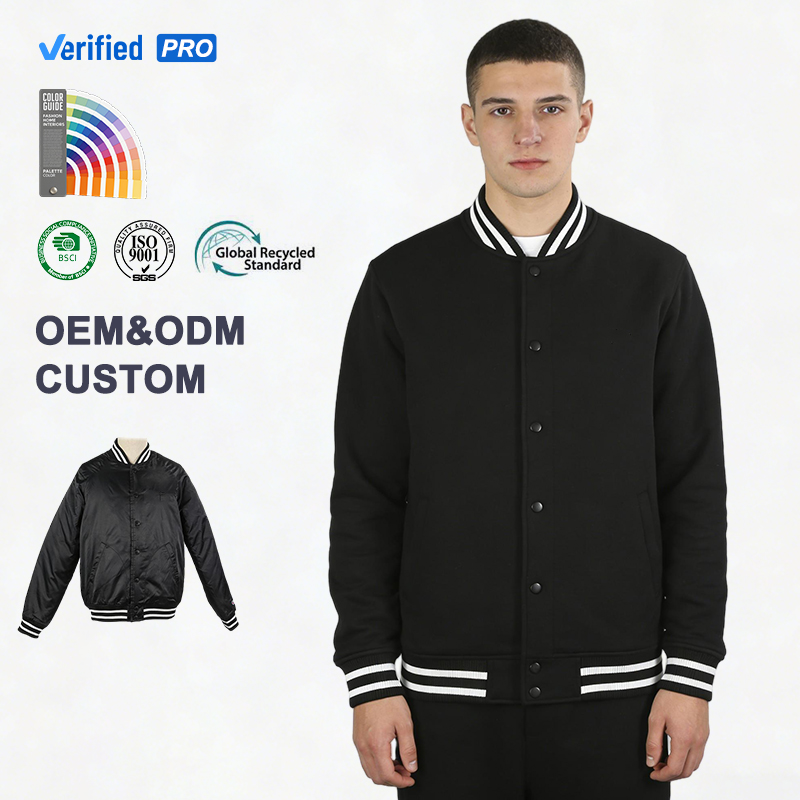
The Psychology of Uniformity: How Custom Jackets Build Team Identity
Cognitive and Emotional Effects of Shared Apparel on Group Belonging
When employees wear the same custom jacket, the brain processes visual sameness as a cue for inclusion—a phenomenon known as enclothed cognition. Clothing doesn’t just shape how others see us; it reshapes how we see ourselves. Shared apparel activates the medial prefrontal cortex, a region tied to self-referential thinking and social identity, helping individuals shift from “I” to “we.” Emotionally, branded jackets foster pride and psychological safety—reducing social anxiety by signaling clear group membership and lowering barriers to communication.
Research in organizational psychology confirms that such visual markers strengthen trust and cooperation. A field study in a manufacturing company found teams wearing uniform jackets reported a 22% higher sense of belonging after one month (Human Relations, 2021). Over time, repeated wearing reinforces this association: the jacket becomes a daily, tangible symbol of shared goals—transforming abstract ideals like “team spirit” into embodied experience. Employees often wear the jacket outside work, extending its role as both identity anchor and organic brand ambassador. This consistent reinforcement deepens the cognitive link between garment and group, cultivating lasting cohesion.
From Individual Expression to Collective Pride: The Role of Custom Jacket Design
A well-designed custom jacket transforms individual expression into collective pride—not through top-down mandates, but through participatory design. When employees help choose colors, fabrics, or logo placement, they develop ownership that elevates the jacket from apparel to emblem. This co-creation ensures the final product reflects authentic team identity rather than corporate imposition.
The jacket’s design elements—especially the logo—serve as quiet, constant reminders of shared mission. As social identity theory explains, people who define themselves by group membership are more likely to prioritize collective success over personal gain. The jacket becomes a conduit for that shift: wearing it turns routine tasks into acts of shared purpose. In client meetings or company events, that pride is visible and contagious—employees don’t just wear the logo; they embody it. Done right, the custom jacket functions as a psychological tool: channeling individual creativity into unified, confident team identity.
Design-Driven Unity: Key Custom Jacket Elements That Reinforce Cohesion
Strategic Logo Placement, Color Psychology, and Fabric Consistency
Three design levers—logo placement, color psychology, and fabric consistency—work in concert to reinforce unity. Logo positioning is intentional: a left-chest emblem evokes personal commitment; a bold back print signals outward solidarity; sleeve accents suggest energy and forward motion. Color carries meaning beyond aesthetics—teams wearing blue report greater calm and dependability, while black conveys assertiveness and cohesion (Journal of Sport Behavior, 2014). These associations directly influence collaborative behavior.
Fabric quality serves as the silent equalizer. Using identical high-grade material across all jackets eliminates tactile disparities that could subtly imply hierarchy—uneven textures or weights risk undermining perceived equality. Rigorous standardization ensures physical uniformity mirrors internal alignment. When every stitch matches, the garment becomes more than clothing: it’s a daily affirmation of shared professionalism and purpose.
Real-World Impact: Measurable Benefits of Custom Jackets in Workplace Culture
Case Study: Tech Startup’s 30% Increase in Cross-Department Collaboration Post–Custom Jacket Rollout
A fast-growing tech startup with 200 employees launched custom jackets as a low-cost unity initiative. Featuring a subtle company logo, department-specific accent colors, and premium fabric, the jackets served as consistent, non-intrusive reminders of shared identity. Over six months, HR tracked collaboration metrics—and observed a 30% increase in cross-department project initiations (2023 internal study). Engineering, marketing, and sales staff began forming ad-hoc problem-solving groups, citing the jackets as natural conversation starters that dissolved silos.
Voluntary turnover dropped by 25%, suggesting stronger emotional investment in the organization. At just $45 per employee, the investment delivered outsized returns—not only in cohesion but in measurable productivity gains. This case underscores how simple, intentional symbols can catalyze meaningful behavioral change in modern, distributed workplaces.
Beyond the Office: Custom Jackets as Tools for Brand Ambassadors and Client Trust
Custom jackets extend team identity far beyond office walls—turning employees into trusted, approachable brand ambassadors. Worn during commutes, errands, or industry events, they generate organic visibility that builds familiarity and credibility with potential clients. Unlike traditional advertising, this exposure feels authentic and unforced—signaling pride, professionalism, and attention to detail without a sales pitch.
For clients, encountering a team member in cohesive branded outerwear reinforces perceptions of reliability and unity. It subtly communicates that the organization values consistency, quality, and collective representation. At meetings or trade shows, that visual alignment projects a confident, unified front—differentiating the business from competitors whose presence feels fragmented or transactional. Ultimately, the custom jacket operates as a trust-building asset: quiet, consistent, and memorable long after the interaction ends.
FAQ
What is enclothed cognition, and how does it apply to custom jackets?
Enclothed cognition is the psychological concept that clothing impacts how we perceive ourselves and interact with others. In the context of custom jackets, wearing identical apparel promotes group inclusion and enhances team identity.
How do custom jackets foster team cohesion?
Custom jackets create a visual marker of belonging, reducing social anxiety and fostering psychological safety. Over time, the repeated use of uniform apparel strengthens trust, communication, and collaboration within teams.
What role does participatory design play in custom apparel?
Participatory design involves employees in decisions about the jacket's features, such as color or logo placement. This collaborative approach ensures the design reflects authentic team values, boosting ownership and collective pride.
Why is fabric quality important in custom jackets?
High-quality, uniform fabric ensures equality among team members and reinforces cohesion. Unequal textures or materials could unintentionally signal hierarchy, undermining unity.
How do custom jackets benefit companies beyond the workplace?
Outside the workplace, custom jackets act as organic brand ambassadors, building visibility and trust with clients and the public. They signal professionalism, pride, and reliability, differentiating the brand from competitors.
Table of Contents
- The Psychology of Uniformity: How Custom Jackets Build Team Identity
- Design-Driven Unity: Key Custom Jacket Elements That Reinforce Cohesion
- Real-World Impact: Measurable Benefits of Custom Jackets in Workplace Culture
- Beyond the Office: Custom Jackets as Tools for Brand Ambassadors and Client Trust
- FAQ
