EN
EN

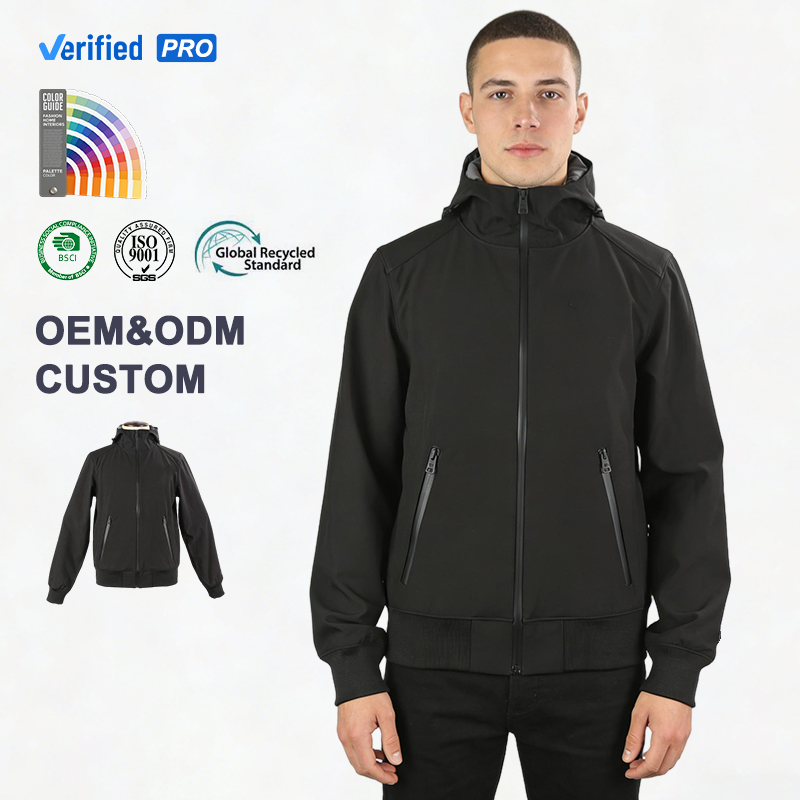
Wind Resistance and Core Temperature Regulation
How wind chill accelerates convective heat loss—and why windbreakers mitigate it
When cold winds blow, they actually speed up how fast our bodies lose heat because they mess with the tiny layer of warm air that normally sits on our skin. If it's blowing at around 15 miles per hour, people often feel about 15 degrees colder than what the thermometer shows, which means we lose heat maybe even five times faster than when there's no wind at all. That's where windbreakers come into play. These garments act as shields against the wind, keeping that protective layer of warm air close to the body instead of letting it get blown away. Most good quality windbreakers have either really tight fabric weave or special membranes that stop most of the wind from getting through. Tests show these materials can block between 80% and 95% of wind compared to regular jackets. This makes a big difference for folks doing things like hiking or cycling, since movement creates its own kind of wind exposure that can be surprisingly intense.
Balancing breathability with wind protection: advanced fabric technologies in modern windbreaker jackets
Windbreakers today manage both wind protection and moisture control through specially designed fabrics. Manufacturers combine stretch woven materials with those made from tiny fibers (nanofibers) to stop wind but still let about 20 to 30 grams of water vapor pass through each square meter per hour. That's enough breathability for activities like jogging or hiking. Many jackets also feature inner linings that pull sweat away from the body, keeping things cool without letting in drafts. When clothes get damp, this helps prevent that uncomfortable chill feeling. The best performing windbreakers actually have different weave densities throughout. The outside is tightly woven to keep out gusts, while the inside has a slightly looser weave pattern that allows air to circulate just enough for comfort during extended wear.
All-Weather Adaptability Beyond Just Wind
Light rain resistance and temperature buffering during rapid weather shifts
Windbreakers work pretty well for keeping out that annoying light rain and those unexpected bursts of humidity we all hate. The special coatings on these jackets let water just sit there as beads before rolling right off, so our warm layers underneath stay dry whether we're hiking through trails or rushing between meetings in the city. What people often overlook is how good they are at dealing with sudden temperature changes too. Think about when those clouds suddenly part after a storm or when the sun comes out mid-hike. Windbreakers trap body heat right next to our skin without adding unnecessary bulk. According to some research from Field Sports Gear back in 2023, synthetic materials in windbreakers kept folks warmer for about three times longer than regular cotton stuff did when temperatures swung around 15 degrees Fahrenheit. And unlike those heavy-duty raincoats that take up half our backpack space, most windbreakers pack down small enough to fit in a pocket once the weather settles down, which makes all the difference when moving quickly through unpredictable conditions.
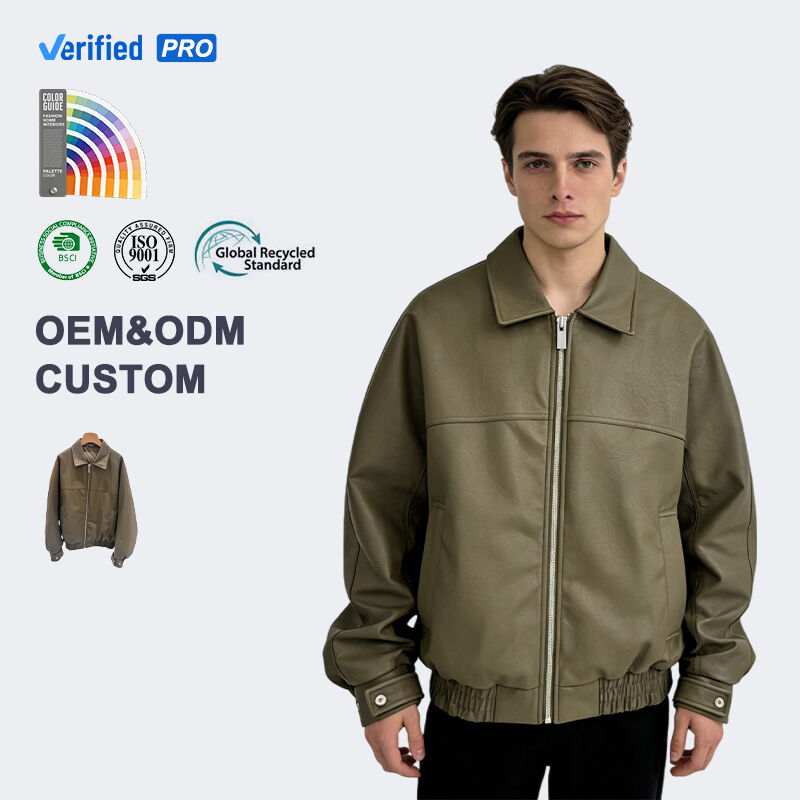
Strategic Layering and Activity-Specific Versatility
Optimizing performance across hiking, running, cycling, and camping with windbreaker jacket layering systems
The true worth of a windbreaker comes down to how well it fits into different activity layering setups. When hitting the trails for hikes, most folks throw theirs over a moisture-wicking base layer plus something warm in between. It works great blocking those annoying mountain gusts on ridge lines but still lets sweat escape when descending steep slopes. Runners tend to go for super light models that breathe really well, slipping them over compression gear or techy bases so they stay protected from wind chill without getting hot during intense runs. Cyclists care about sleek cuts that cut through air resistance while keeping their core warm against constant wind blasts. Campers love how these jackets pack down small enough to stash away till weather turns nasty with unexpected breezes or drizzle hits just as they're setting up camp over flannel or down insulation. Manufacturers build these shells with specific purposes in mind too. Shoulders get extra reinforcement for carrying packs, sleeves are shaped to allow better movement when pedaling, and fewer seams mean less friction for runners. All these thoughtful touches turn what looks like just another jacket into something that actually boosts performance across multiple outdoor activities.
Portability, Weight Efficiency, and On-the-Move Mobility
Windbreakers that weigh less than 10 ounces (think lighter than your average water bottle) offer amazing freedom of movement thanks to smart fabric technology. These lightweight options usually pack down small enough to fit in the palm of your hand when compressed with built-in stuff sacks or tucked into pockets. They slot right into running vests, jersey pockets, or even backpack hip belts without taking up space. The compact size means no extra bulk while still being ready whenever needed. Research shows mountain runners actually use about 18 percent less energy climbing hills when wearing these ultralight jackets compared to regular shells. Made from tough ripstop nylon mixed with polyester, they resist tearing even though they're so light. This lets hikers move freely across rocky trails or tricky terrain without restriction. With their featherweight feel, easy packing, and surprising durability, these windbreakers become almost invisible layers that protect against sudden weather changes without getting in the way.