 EN
EN

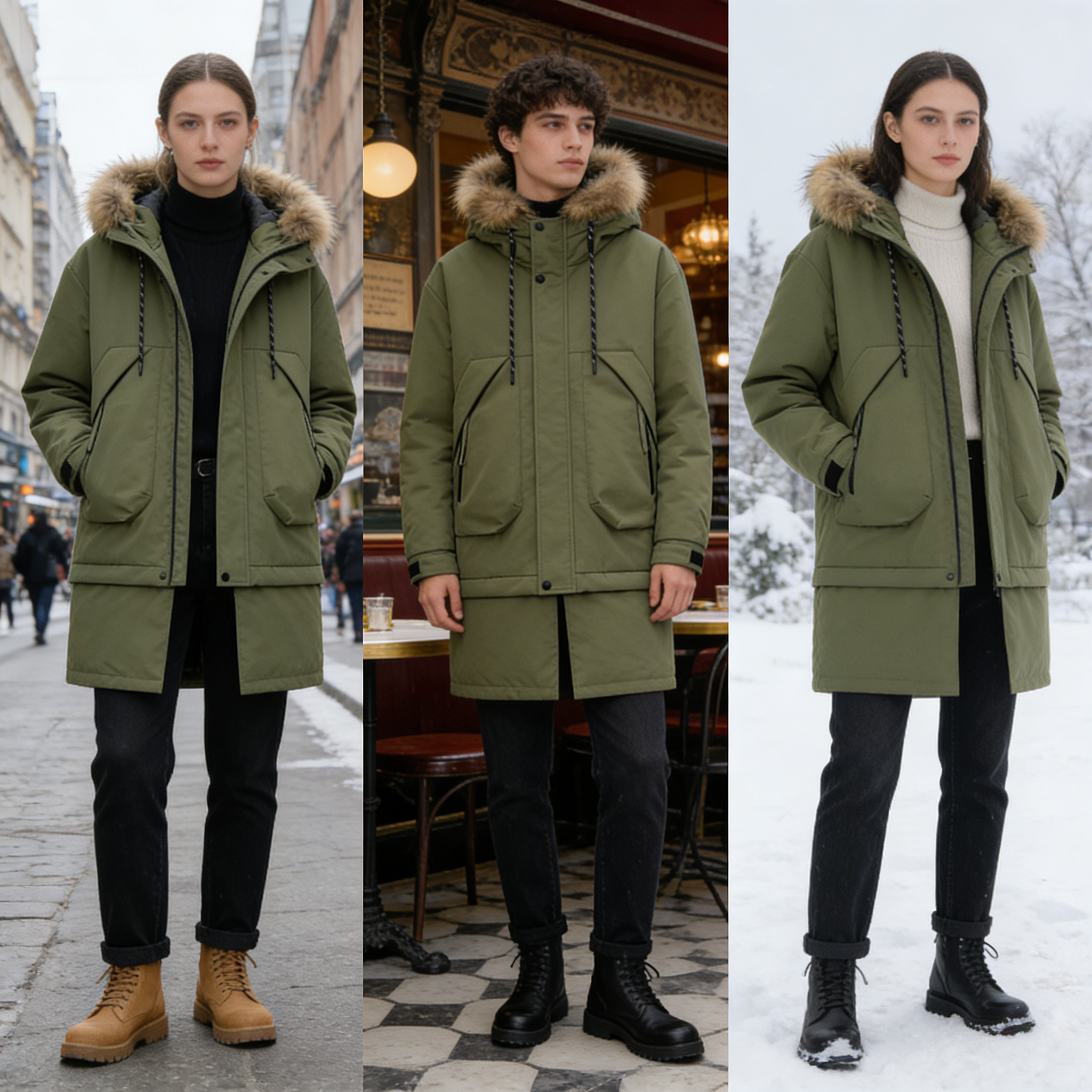
Staying warm during harsh winter months used to mean sacrificing mobility for heavy, bulky layers. If moisture seeped into traditional down insulation, cold weather quickly took over. Modern outerwear engineering has completely flipped that script.
Advanced textile science, smart thermal management, and circular materials allow modern winter jackets to deliver adaptive warmth, extreme weather resistance, and refined style—all while meeting strict global sustainability standards.
Smarter Natural and Recycled Fill Alternatives
Insulation technology has evolved far beyond raw goose down. Material engineers now focus on performance retention under wet conditions and reducing reliance on virgin synthetic resources.
Hydrophobic Down Performance Retention
Natural down offers an unbeatable warmth-to-weight ratio, but damp conditions historically destroyed its loft. Applying durable water-repellent (DWR) treatments directly to down clusters creates hydrophobic down. This invisible barrier prevents moisture absorption, enabling down fill to retain up to 80% of its loft even after prolonged exposure to light rain, sleet, or heavy snow.
Post-Consumer Recycled Fill Integration
Synthetic fills made from post-consumer recycled polyester—sourced primarily from plastic bottles—now match the thermal performance of virgin synthetic fibers. Blending reconditioned, sterilized post-consumer down with high-grade synthetic fibers creates hybrid insulations that divert waste from landfills while reducing carbon emissions during fabric processing.
High-Performance Synthetic Insulation Alternatives
Synthetic fills continue to close the gap on premium natural down, offering animal-free alternatives that perform effortlessly in soaking-wet conditions.
-
Biodegradable Synthetics: Technologies like PrimaLoft Bio® utilize synthetic fibers engineered to break down in landfill environments over time while maintaining high loft and compressibility during active use.
-
Spherical Micro-Clusters: Spherical cluster insulations mimic natural down by trapping warm air in tiny pockets. Because synthetic fibers do not absorb moisture, these clusters maintain full loft and warmth even when completely wet.
-
Ultra-Thin Aerogel Barriers: Derived from space-grade insulation science, highly porous aerogel layers deliver up to 40% more thermal resistance than standard insulation of equal thickness, eliminating cold spots without adding bulk.
Unlike untreated natural fills, high-performance synthetics resist clumping and maintain structural loft across repeated wash cycles, extending the operational life of the garment.
Next-Generation Thermal Regulation and Adaptive Fabrics
Passive insulation keeps heat in, but dynamic thermal regulation responds in real time to shifting body temperatures and weather changes.
Radiant Heat Reflection
Interior linings embedded with metallic dot patterns bounce radiant body heat back toward the wearer, functioning like an ultra-light space blanket. Integrating reflective ceramic particles directly into synthetic insulation fibers enhances heat retention by over 15% without adding noticeable weight.
Body-Heat Conduction and Conductive Fabrics
Graphene-infused linings conduct and distribute body heat evenly across the jacket interior. This conductive layer eliminates local hot spots, while providing built-in anti-static and antibacterial properties to keep garments fresh during long mountain treks.
Microencapsulated Phase-Change Materials
Phase-change materials (mPCMs) embedded in inner linings absorb excess body heat during high exertion—like skiing or hiking—and release that stored thermal energy when core temperature drops. Lab trials show PCM linings reduce internal climate fluctuations by up to 3°C, keeping wearers comfortable across variable activity levels.
Dynamic Breathability and Moisture Control
Overheating and internal sweat buildup pose serious risks in freezing environments. Effective outerwear must manage moisture vapor just as efficiently as it traps heat.
Dynamic Membrane Pores
Reactive outer membranes automatically adjust to internal humidity. When body heat rises during activity, microscopic pores expand to vent moisture vapor outward. As body temperature cools down, those pores contract to seal in body heat and block cold wind.
Capillary Moisture-Wicking Linings
Hydrophobic lining channels pull sweat away from the skin, spreading moisture across a broader surface area for rapid evaporation. This continuous capillary action keeps the inner layer dry, preventing the chilling effect caused by trapped sweat after physical activity stops.
Ethical Sourcing and Circular Outerwear Standards
Modern consumers and retail buyers demand full transparency across every step of the apparel supply chain. Sustainable jacket manufacturing relies on verified global standards.
-
Responsible Down Standard (RDS): Guarantees that down and feathers come exclusively from humanely treated animals, verified through independent supply chain audits.
-
Bluesign® Textile Certification: Ensures all fabric components, dyes, and finishes are processed with safe chemical management, minimal water consumption, and lower energy footprints.
-
Recycled Shell Fabrics: Durable, weather-resistant outer shells crafted from post-consumer recycled nylon and polyester close the plastic waste loop without compromising tear strength or abrasion resistance.
Aligning animal welfare, clean chemistry, and recycled materials establishes the baseline expectation for high-performance winter outerwear.
Merging Technical Performance with Modern Style
Contemporary winter design bridges high-altitude technical performance with clean, urban aesthetics. Bulky silhouettes have given way to tailored cuts, articulated sleeves, and matte finishes that transition seamlessly from trail to city streets.
Collaborations between outdoor brands and high-fashion designers have elevated winter outerwear into essential wardrobe pieces. Features like packable designs, sleek magnetic closures, and discreet media pockets prove that technical engineering and aesthetic design work hand in hand.
Frequently Asked Questions
What makes hydrophobic down different from standard natural down?
Hydrophobic down is treated with a water-repellent coating that stops natural clusters from absorbing water, allowing the insulation to maintain its loft and warmth even in damp conditions.
How do phase-change materials improve winter jacket comfort?
Phase-change materials absorb excess heat when you are active and release it when you slow down, keeping internal jacket temperatures stable and preventing overheating.
Why is RDS certification important for down insulation?
The Responsible Down Standard ensures that natural down is ethically sourced from animals that were not subject to live-plucking or force-feeding, providing audited supply chain transparency.
Can synthetic insulation keep you warm when wet?
Yes. Synthetic fibers do not absorb moisture, allowing spherical micro-clusters and synthetic fills to trap warm air even when exposed to direct rain or sweat.
Technical Apparel Sourcing and Manufacturing with Zdwincome
Bringing advanced insulation, dynamic thermal fabrics, and certified sustainable materials into market-ready outerwear requires deep manufacturing expertise and reliable supply chain integration.
As a trusted partner in high-performance apparel production, Zdwincome provides end-to-end design, material sourcing, and garment manufacturing for global brands. From precision seam-sealing and custom DWR shell treatments to ethical down integration and recycled synthetic fill assembly, Zdwincome delivers custom outerwear engineered to meet strict international standards. Supported by scalable production facilities and efficient supply chain operations, every custom jacket balances weather protection, functional utility, and long-term brand value.
Table of Contents
- Smarter Natural and Recycled Fill Alternatives
- High-Performance Synthetic Insulation Alternatives
- Next-Generation Thermal Regulation and Adaptive Fabrics
- Dynamic Breathability and Moisture Control
- Ethical Sourcing and Circular Outerwear Standards
- Merging Technical Performance with Modern Style
- Frequently Asked Questions
- Technical Apparel Sourcing and Manufacturing with Zdwincome
