EN
EN

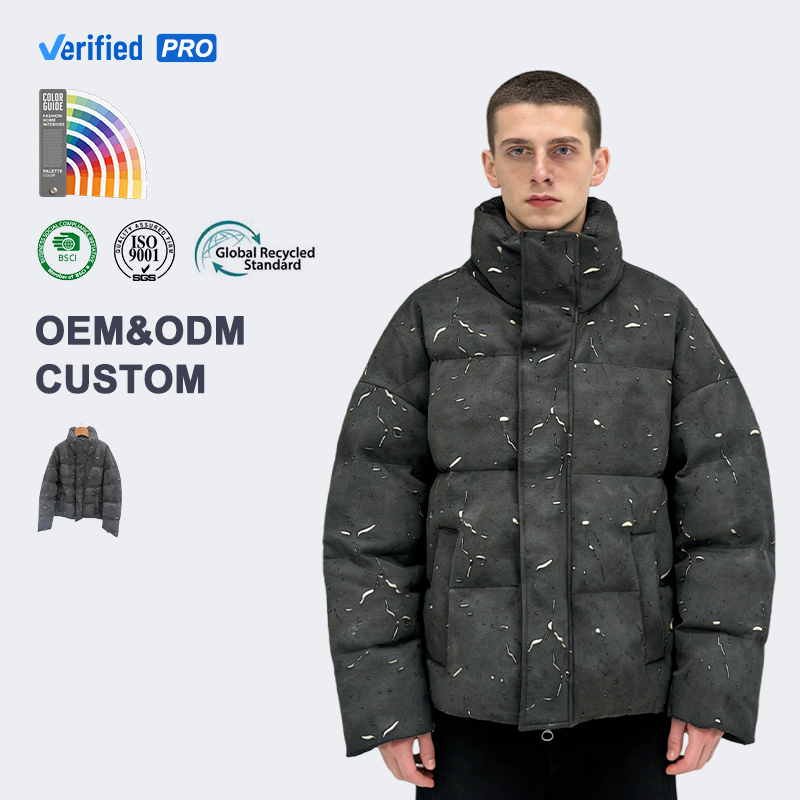
Sustainable Materials Revolutionizing Puffer Jacket Construction
Recycled Nylon and Polyester: The New Standard in High-Performance Puffer Jacket Fabrics
Recycled PET (polyethylene terephthalate) from post-consumer plastic waste now forms the foundation of premium puffer jacket shells—delivering tear strength ≥18 lbs and water resistance of 10,000mm+, matching virgin synthetics without compromise. Over 70% of high-end puffer jackets use recycled nylon or polyester, cutting CO₂ emissions by 40–60% per garment compared to conventional production, according to the 2023 Textile Exchange Circular Fibers Report. This shift supports rigorous outdoor performance standards while meeting rising consumer expectations for ethical, traceable supply chains.
| Material Type | CO₂ Reduction | Water Savings | Durability Score |
|---|---|---|---|
| Virgin Nylon | Baseline | Baseline | 9/10 |
| Recycled Nylon (rPET) | 58% | 80% | 8.5/10 |
| Recycled Polyester | 45% | 75% | 8/10 |
| Comparative impact metrics sourced from Textile Exchange (2023) |
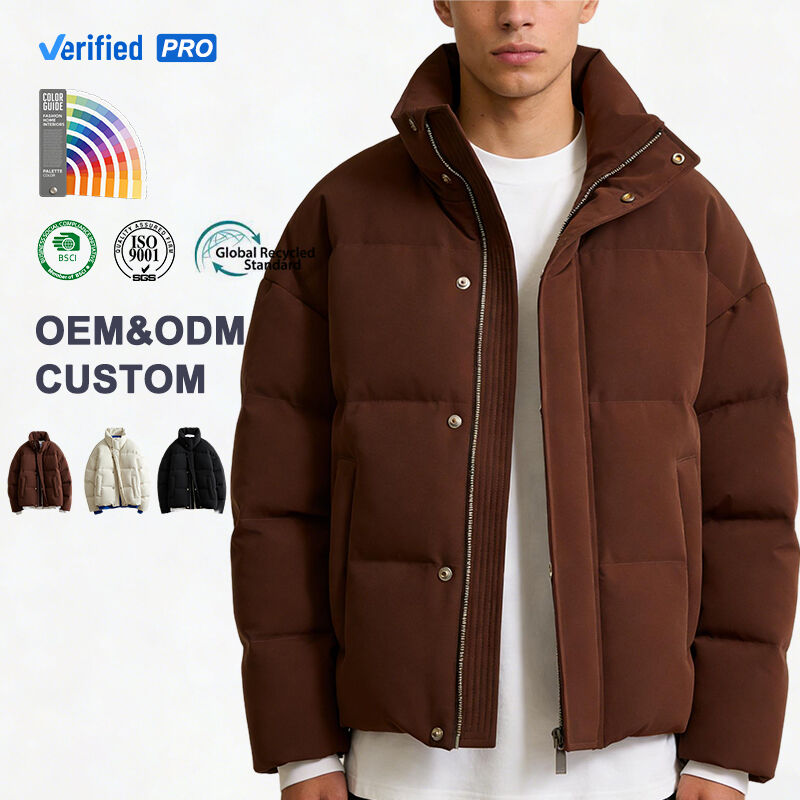
Next-Gen Insulations: Bio-Based Alternatives Like PrimaLoft Bio® and Mylo™ Mushroom Leather Trims
Bio-engineered insulations are redefining thermal performance with sustainability built in. PrimaLoft Bio®, made entirely from recycled content, retains 98% of its warmth when wet and biodegrades 12x faster than conventional synthetics in marine environments. Mylo™—a mycelium-derived leather alternative—replaces animal hides and synthetic trims, reducing landfill waste by 200 tons annually across early adoption programs. Field testing confirms both materials maintain loft and insulation integrity at -20°C while shedding 33% fewer microplastics. Their biomass-based manufacturing also delivers 40% energy savings versus petrochemical processes—aligning technical reliability with regulatory readiness as global sustainability mandates accelerate.
Silhouette Innovation: From Volume to Precision in Modern Puffer Jackets
Tailored Hybrid Designs—Quilted Shoulders, Cinched Waists, and Ergonomic Articulation
Today’s puffer jacket balances warmth and wearability through intentional tailoring—not just volume. Quilted shoulder panels preserve insulation without adding drag, optimizing mobility for active urban use. Cinched waists deliver clean, flattering lines while maintaining thermal efficiency—a response to the 78% of consumers who cite both style and function as non-negotiable in outerwear (Outdoor Industry Association, 2023). Pre-curved sleeves and gusseted underarms further enhance freedom of movement, especially in jackets designed for cycling or backcountry travel. This targeted approach to quilting redistributes warmth where it’s needed most, replacing bulk with intelligent design—enabling seamless transitions from trailhead to downtown.
Smart Functionality: Tech Integration Elevating the Puffer Jacket Experience
Heated Linings, Solar-Charged Pockets, and NFC-Enabled Care Tags
Smart functionality is no longer optional—it’s expected in premium puffer jackets. Adjustable heated linings provide precise, zone-specific warmth in sub-zero conditions, eliminating the need for layered garments. Integrated solar-charged pockets feature photovoltaic panels that harvest ambient light, extending smartphone or GPS battery life during extended outdoor use. NFC-enabled care tags let users tap their phone to access digital product passports—verifying material origins, care instructions, and end-of-life recycling pathways. These features don’t just add convenience; they extend garment lifespan, reduce textile waste, and reinforce brand accountability—making tech-enabled stewardship a core pillar of modern outerwear performance.
Color and Surface Innovation: Breaking Conventions in Puffer Jacket Aesthetics
Reactive Dyes, Mineral-Washed Finishes, and Bold Chromatic Shifts Beyond Neutrals
Puffer jackets are embracing expressive aesthetics without sacrificing durability. Reactive dyes form permanent molecular bonds with fabric fibers, yielding fade-resistant, high-intensity hues—think electric cerulean or volcanic red—that withstand rain, wind, and UV exposure. Mineral-washing techniques using pumice or enzymatic treatments soften nylon shells while slashing water use by up to 40% versus traditional dyeing. Meanwhile, 2024 collections push chromatic boundaries with phosphorescent greens, iridescent ombrés, and gradient transitions from midnight purple to solar yellow—proving technical outerwear can be as visually compelling as it is functionally advanced.
FAQs
What materials are commonly used in sustainable puffer jackets?
Sustainable puffer jackets commonly use recycled nylon and polyester, as well as bio-based insulations like PrimaLoft Bio® and Mylo™ mushroom leather trims.
How do these eco-friendly materials compare to traditional ones in terms of performance?
Eco-friendly materials such as recycled nylon and polyester offer comparable tear strength and water resistance while reducing CO₂ emissions significantly. Bio-based insulations maintain thermal performance and degrade faster, producing fewer microplastics.
What functionality can I expect from modern puffer jackets?
Modern puffer jackets integrate smart functionalities like heated linings, solar-charged pockets, and NFC-enabled care tags, enhancing convenience, garment lifespan, and sustainability.
How do new dyeing and finishing techniques affect the aesthetics and durability of puffer jackets?
Reactive dyes and mineral-washed finishes allow for vibrant colors and softer materials without compromising durability, substantially reducing water usage compared to traditional methods.
Table of Contents
- Sustainable Materials Revolutionizing Puffer Jacket Construction
- Silhouette Innovation: From Volume to Precision in Modern Puffer Jackets
- Smart Functionality: Tech Integration Elevating the Puffer Jacket Experience
- Color and Surface Innovation: Breaking Conventions in Puffer Jacket Aesthetics
-
FAQs
- What materials are commonly used in sustainable puffer jackets?
- How do these eco-friendly materials compare to traditional ones in terms of performance?
- What functionality can I expect from modern puffer jackets?
- How do new dyeing and finishing techniques affect the aesthetics and durability of puffer jackets?