EN
EN

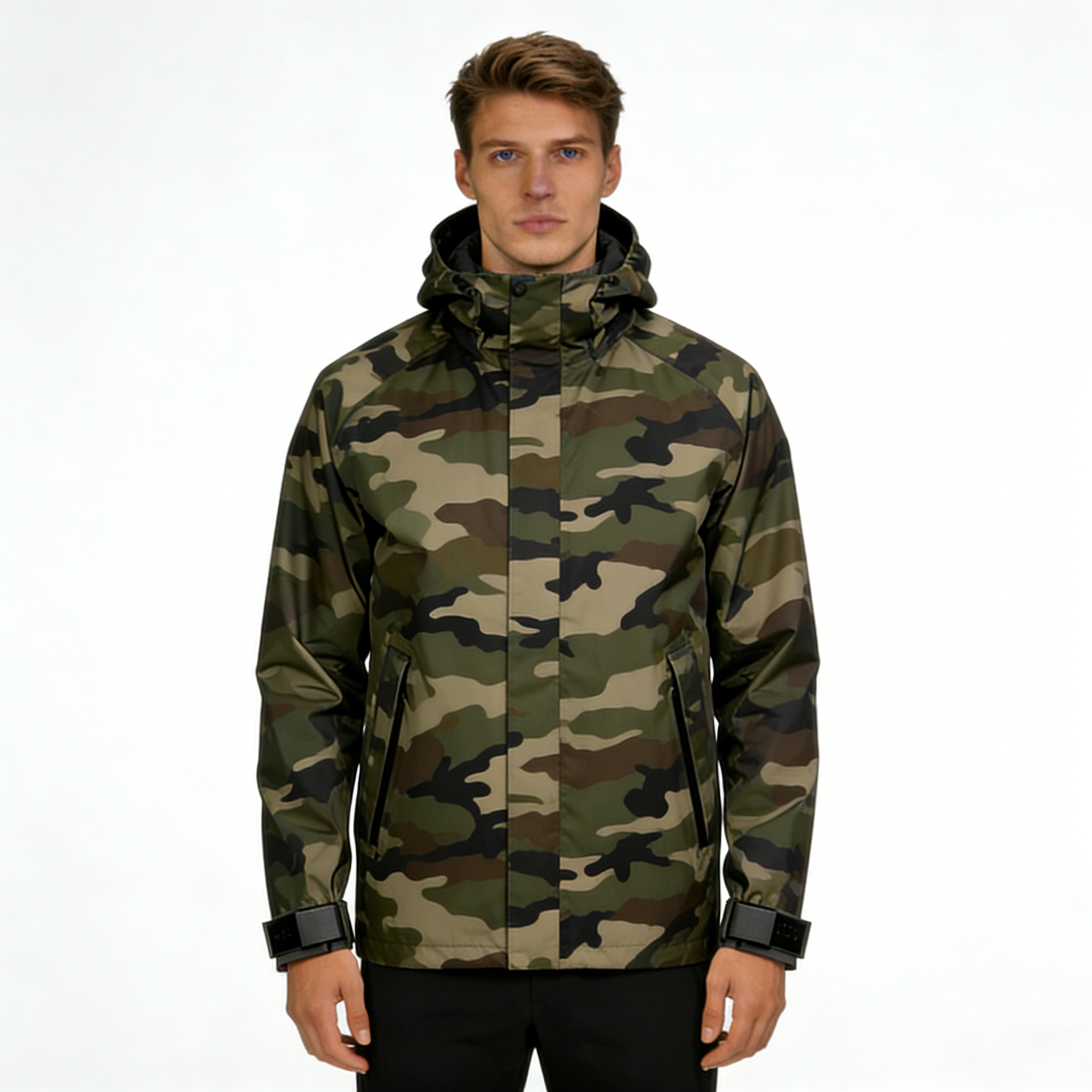
Ultralight Fabric and Foldable Design for Effortless Packing
How Advanced Nylon and Polyester Blends Achieve Sub-100g Weight Without Compromising Wind Resistance
Today's windbreakers are made from specially mixed nylon and polyester fabrics, usually around 20D or 30D denier threads, which helps keep their weight under 100 grams but still stops wind pretty well. The way they weave these materials creates really tight fabric that blocks wind without needing extra layers or insulation. Some manufacturers also incorporate hollow core fibers along with super thin membranes that pack a lot of density without adding much weight at all. These features help maintain breathability too. What makes these jackets stand out compared to regular outerwear is how they don't puff up when caught in strong winds. They actually stay flat and compress down small enough to fit easily into backpack pockets or travel bags, which explains why so many people grab one for everyday use or trips away from home.
Seamless Construction and Minimalist Hardware: Engineering Compactness into Every Stitch
Laser cut panels without seams, bonded together instead of stitched, plus those hidden zippers all work together to cut down on bulk where it matters most. Buttons? Gone. Magnetic snaps take their place. Inside there are draw cords running through channels and elastic cords tucked away so nothing sticks out. All these little touches create something really smooth that doesn't catch on anything. When folded up, this thing packs down about as small as a regular water bottle, maybe even smaller than some brands we've seen before. Some folks say it's around 40% smaller than jackets made with traditional stitching methods that have those taped seams inside. What does this mean for actual use? Just grab it and stick it anywhere: fits nicely in a briefcase, slips into car glove boxes, or goes right into bigger pockets without bunching up or losing its shape. True portability meets solid construction here.
The synergy of ultralight materials and compression-focused engineering makes windbreakers the most space-efficient outerwear category—especially valuable for urban commuters and multi-day adventurers who demand performance without bulk.
Built-In Storage Solutions That Maximize Portability
Self-Packing Stuff Pockets and Integrated Compression Systems in Modern Windbreaker Jackets
Most modern windbreakers come equipped with these handy self-packing pockets usually made from reinforced water resistant material and tucked either at the lower back or along the inner lining. When packing away, just turn the jacket inside out, give it a good roll or fold, then tuck everything into the pocket. This can shrink the whole thing down to about 80% smaller than normal size. Higher end versions take things further with built in draw cords that let folks compress the jacket even before stuffing it away. They also ditch those big clunky zippers for sleeker alternatives like magnets or tiny snaps instead.
The jacket works great without needing any extra storage bag, so it stays completely functional and ready to go at a moment's notice even if someone is halfway through a hike or caught off guard by changing weather conditions. Mountain climbers usually put theirs on their harness loops, trail runners stuff them into their waist packs, while city folks heading to work just slide one into their business coat pocket. The way it fits right in maintains that sleek look when wearing it, plus there are no pesky parts sticking out that might get caught on something. People can count on this jacket performing reliably wherever they take it, all while still providing solid protection against wind without sacrificing anything essential.
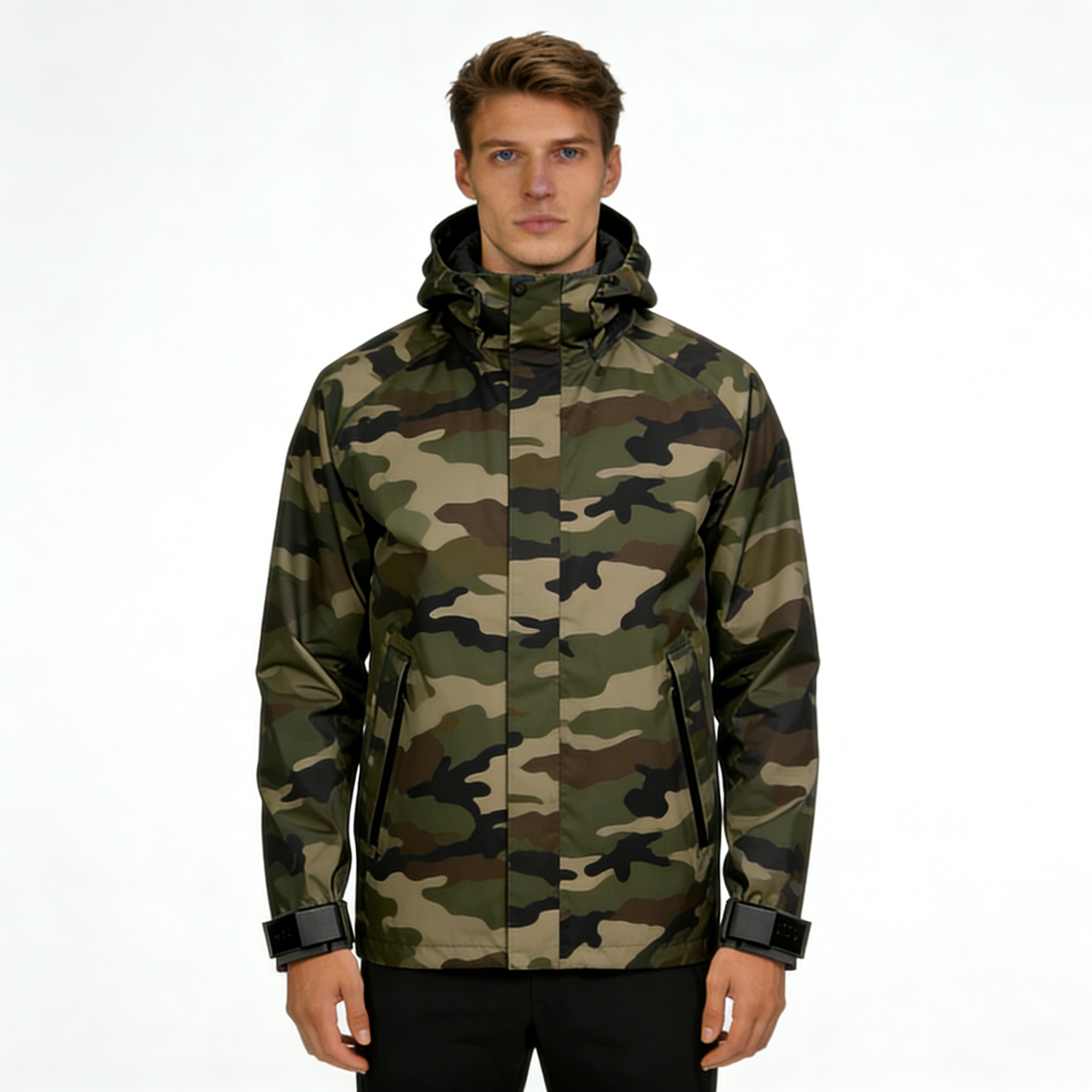
Real-World Packing Efficiency Across Urban and Outdoor Use Cases
From Commuting to Hiking: How Windbreaker Jackets Optimize Space in Bags, Pockets, and Layered Outfits
Windbreakers that weigh next to nothing are changing how people think about gear whether they're walking around town or hiking trails. These packs down tiny enough to fit right next to a phone in a pocket or bag, so there's plenty of room left for other stuff without making everything look cluttered or feel heavy. People living in cities find these super handy for all sorts of situations. Cyclists keep one tucked away in their handlebar bag just in case. Business folks slip them into suit jackets before heading out for meetings. And commuters on buses or trains can pull one out fast when unexpected rain starts falling or a sudden gust hits.
People who spend time outdoors find these items just as useful: rock climbers often wear them underneath their helmets or attach them to harness loops, trail runners keep them safely stored in running belts, while hikers tend to stuff them into hip belt pockets or side compartments of their hydration packs. Weighing only about 20% of what a typical fleece jacket would be when packed away, yet still offering complete protection against wind, these garments fit right into any layering system without drawing attention. The practicality makes sense in practice too - according to recent surveys, around three out of four regular travelers look for compact outerwear primarily because it's convenient, but also as part of their strategy to remain ready for changing conditions without carrying unnecessary baggage along the way.
Comparative Space Savings: Windbreaker Jackets vs. Traditional Outerwear
Windbreaker jackets deliver unmatched spatial efficiency compared to conventional outerwear. Weighing just 80–100g—five times less than typical 500–800g fleeces or softshells—they compress to 0.5–1L volumes: palm-sized and pocket-ready. Traditional jackets require dedicated bag space, often needing separate stuff sacks or rigid compartments.
| Feature | Windbreaker Jackets | Traditional Outerwear |
|---|---|---|
| Average Weight | 80–100g | 500–800g |
| Packed Volume | 0.5–1L | 2–3L |
| Compression | Fits palm-sized | Requires dedicated bag space |
| Storage Flexibility | Fits pockets/pouches | Needs backpack compartment |
This dramatic reduction means travelers reclaim 60–70% of luggage volume, while hikers eliminate dead weight without forfeiting wind protection. For anyone prioritizing mobility, readiness, and minimalism—whether navigating subway platforms or mountain passes—the windbreaker remains the definitive solution in space-conscious outerwear.