EN
EN
Safety First: High-Visibility Colors and ANSI/ISEA 107 Compliance
Workers in high-risk environments rely on high-visibility (hi-vis) apparel to remain clearly seen. The ANSI/ISEA 107 standard eliminates guesswork by setting specific requirements for fluorescent background material, retroreflective trim, and garment classification. Selecting the correct work jacket under this standard directly reduces collision risks.
Understanding ANSI/ISEA 107 Classes and How They Dictate Work Jacket Color Requirements
ANSI/ISEA 107 divides hi-vis clothing into three performance classes—1, 2, and 3—based on minimum surface area of fluorescent material, placement, and reflectivity. Class 1 is intended for low-risk, off-road tasks where traffic remains below 25 mph; it requires the least fluorescent coverage. Class 2 applies to workers near roadways or in moderate-risk zones, mandating larger fluorescent surfaces and more reflective trim. Class 3 delivers the highest level of conspicuity, designed for high-speed traffic, complex backgrounds, and low-light conditions—with full torso and sleeve coverage required.
All classes permit only three compliant fluorescent colors: lime yellow, safety orange, and red-orange. A Class 2 work jacket, for example, must use one of these hues as its base color and incorporate the precise amount and configuration of retroreflective tape specified for that class. Crucially, the class rating reflects not just regulatory compliance but real-world performance: a Class 1 jacket may feature small fluorescent panels, while a Class 3 version wraps the entire upper body and arms. Employers must align class selection with site-specific risk assessments—not just job titles—to ensure both legal compliance and worker protection.
Lime Yellow vs. Safety Orange: Real-World Contrast Performance Across Lighting and Backgrounds
Lime yellow and safety orange both meet ANSI/ISEA 107 chromaticity requirements—but their visual performance differs meaningfully across environments. Lime yellow delivers superior contrast against dark, neutral backgrounds like asphalt, concrete, and nighttime shadows, and maintains visibility in overcast, foggy, or twilight conditions. That’s why it’s widely preferred in road construction, utility line work, and airport ramp operations.
Safety orange excels in daytime settings with green-dominated surroundings—think forestry, landscaping, or rural infrastructure projects—where it stands out sharply against foliage and soil. However, its luminance drops significantly in low light compared to lime yellow, reducing effectiveness during dawn, dusk, or inclement weather.
For mixed or unpredictable settings, dual-color jackets (e.g., lime yellow torso with orange sleeves) offer enhanced silhouette definition without sacrificing compliance. And because retroreflective trim amplifies visibility when illuminated by headlights or vehicle lamps, the base color choice should always be guided by ambient lighting and dominant background tones—not aesthetics alone.
Durability & Maintenance: How Color Affects Long-Term Practicality of a Work Jacket
Dirt Resistance and Cleanability: Why Gray, Navy, and Charcoal Excel in High-Dust or Indoor Environments
Darker work jacket colors—including gray, navy, and charcoal—offer distinct practical advantages in dusty, greasy, or indoor industrial settings. Their ability to mask common worksite soils—dust, oil, metal shavings, and general grime—means stains are less visually apparent between washes. This extends time between cleanings, reducing mechanical wear on fabric and seams from repeated laundering. In warehouses, distribution centers, or manufacturing floors where ANSI-compliant hi-vis isn’t mandated, these hues support a professional appearance with lower maintenance demands.
Polyester-blend fabrics enhance this benefit: their tight weave resists particle penetration while retaining shape and tensile strength across dozens of cleaning cycles—critical for jackets exposed to constant airborne particulates or abrasive handling.
Fade Resistance and Fabric Interaction: Dark Blues and Blacks vs. Bright Hi-Vis Hues Over Time
Color retention under UV exposure varies significantly between dark and fluorescent work jacket colors. Solution-dyed fabrics—where pigment is embedded into fibers during extrusion—deliver markedly better fade resistance than surface-dyed alternatives. Textile durability studies show dark blues and blacks retain vibrancy up to four times longer than surface-dyed materials, even after prolonged sun exposure.
Bright hi-vis colors face a unique functional vulnerability: their compliance hinges on strict chromaticity coordinates defined by ANSI/ISEA 107. As fluorescent dyes degrade, yellows and oranges can drift outside acceptable ranges long before fabric integrity declines—rendering the jacket noncompliant even if structurally sound. While darker jackets absorb more heat (potentially accelerating thermal degradation in extreme heat), their fading doesn’t compromise safety signaling. For outdoor applications, prioritize jackets with integrated UV-resistant treatments—regardless of base color—to preserve both appearance and functional compliance over time.
Industry-Specific Work Jacket Color Standards and Functional Signaling
Construction, Roadwork, and Utility: When Orange, Yellow-Green, or Dual-Color Designs Maximize Safety and Role Clarity
In construction zones, roadwork sites, and utility operations, work jacket color functions as both a safety tool and a role identifier. Fluorescent orange and lime yellow (often referred to as “yellow-green” in ANSI documentation) deliver rapid visual detection against machinery, pavement, and vegetation—critical for avoiding collisions with heavy equipment or passing vehicles. These colors appear in Class 2 or 3 configurations, ensuring visibility in rain, fog, and low-light conditions.
Dual-color designs—such as a lime yellow torso with navy sleeves or black shoulders—enhance human silhouette recognition while supporting operational clarity. For example, orange may designate flaggers or traffic control personnel working near greenery, while lime yellow signals spotters or inspectors operating near artificial lighting or reflective signage. This intentional color coding reinforces team structure and hazard awareness without relying on verbal communication—reducing response latency and improving situational awareness.
Warehousing, Logistics, and Facility Management: The Strategic Use of Navy, Black, or Dark Blue Work Jackets with Reflective Accents
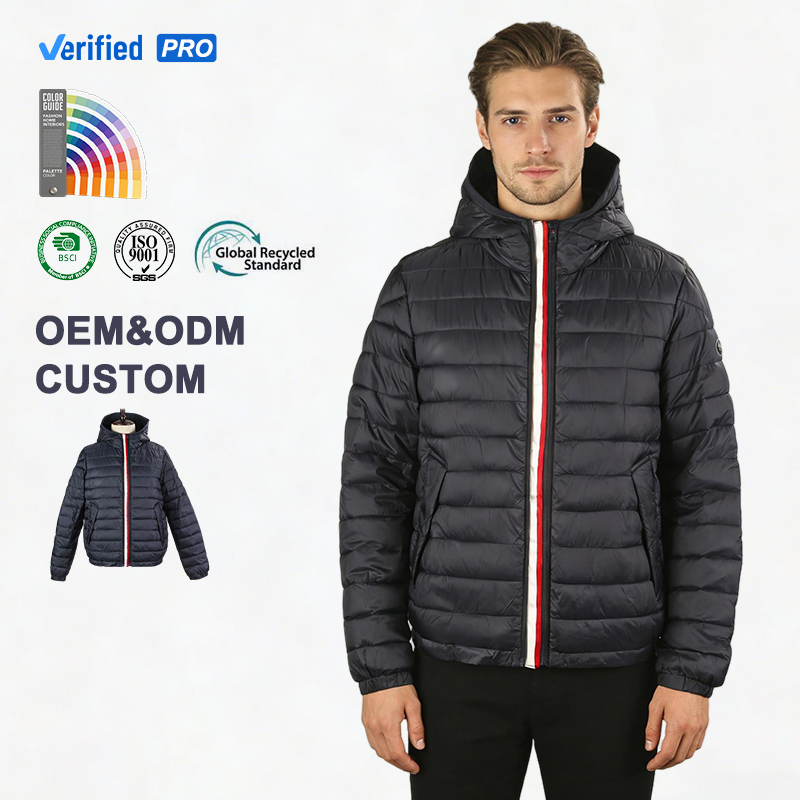
In indoor industrial environments—warehouses, logistics hubs, and facility management operations—visibility needs shift toward controlled lighting and proximity-based hazards like forklifts or narrow aisles. Here, darker work jacket colors (navy, black, charcoal) balance professionalism, durability, and practicality: they conceal routine soiling from dust, hydraulic fluid, and frequent contact, maintaining appearance longer and requiring fewer cleanings.
Rather than relying on full fluorescent coverage, leading manufacturers integrate ANSI-certified retroreflective tape along high-motion zones—shoulders, upper sleeves, and torso perimeter—to ensure 360-degree conspicuity under dock lighting, forklift headlamps, or overhead LEDs. Unlike bright hi-vis fabrics, these darker bases resist fading and maintain structural integrity across extended service life—supporting roles ranging from inventory specialists and forklift operators to maintenance technicians who represent the organization during client walkthroughs or third-party audits.
FAQ
What are the three ANSI-compliant fluorescent colors?
The three ANSI-compliant fluorescent colors are lime yellow, safety orange, and red-orange. These colors meet chromaticity requirements set by ANSI/ISEA 107 for high visibility.
How do ANSI/ISEA 107 classes differ?
ANSI/ISEA 107 classes differ based on minimum surface area of fluorescent material, placement, and reflectivity. Class 1 is for low-risk scenarios, Class 2 is for moderate-risk zones near roadways, and Class 3 offers the highest visibility for high-speed traffic and complex conditions.
Which colors are best for road construction?
Lime yellow is widely preferred for road construction due to its superior contrast against dark backgrounds and visibility in low-light conditions.
What colors are recommended for indoor environments?
Darker colors like navy, black, and charcoal are recommended for indoor environments as they conceal dust and grime effectively while maintaining a professional appearance.
Why is UV resistance important for work jackets?
UV resistance is important to preserve color vibrancy and ensure fluorescent dyes remain within compliance ranges defined by ANSI/ISEA 107, avoiding premature jacket replacement.