EN
EN

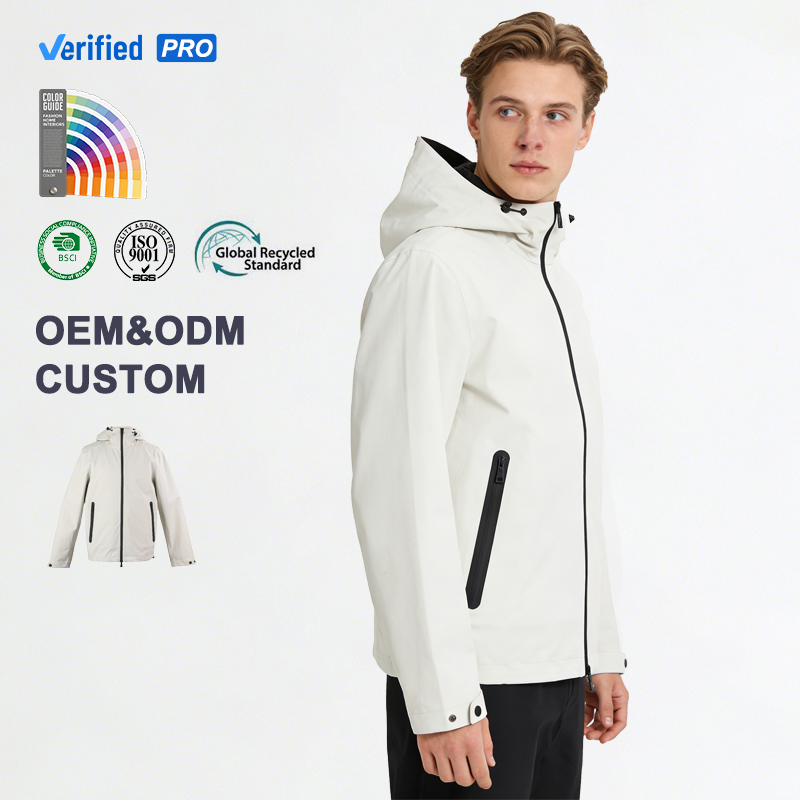
عملکرد ضدآب و رتبهبندیهای دوام در شرایط واقعی
توضیح رتبهبندی سر هیدرواستاتیک: اینکه ۱۰۰۰۰ میلیمتر در مقابل ۲۰۰۰۰ میلیمتر برای استفاده چندروزه در فضای باز به چه معناست
رتبهبندی سرآب هیدروستاتیک (HH) اساساً نشاندهندهی میزان ضدآب بودن یک پارچه است و بر اساس ارتفاع ستون آب (بر حسب میلیمتر) اندازهگیری میشود که پارچه میتواند قبل از اینکه هرگونه رطوبتی از آن عبور کند، در برابر آن مقاومت کند. رتبهبندی حدود ۱۰٬۰۰۰ میلیمتر برای اکثر افرادی که با باران معمولی یا حتی مقداری برف در فعالیتهای کوتاهمدت مانند پیادهروی روزانه یا ماجراجوییهای سریع آخر هفته سروکار دارند، عملکرد خوبی دارد. اما اگر فردی قصد داشته باشد چند روز متوالی در شرایط باران سنگین مداوم و برف مرطوب عمیق بماند و علاوه بر این، تجهیزات زیادی نیز تحت فشار روی جکت او از سوی کولهپشتی وارد شود، آنگاه نیاز به رتبهبندی حداقل ۲۰٬۰۰۰ میلیمتر داریم. این مقاومت اضافی تفاوت قابلتوجهی ایجاد میکند، زیرا مدت زمان طولانیتری طول میکشد تا پارچه کاملاً خیس شود؛ و این امر وقتی که هیچ پناهگاهی در نزدیکی برای محافظت در برابر عوامل جوی وجود ندارد، اهمیت بسیار زیادی دارد.
| رتبهبندی HH | سطح حفاظت | شرایط مناسب |
|---|---|---|
| 10,000 میلیمتر | مaterیالی قابل توجه | باران متوسط، قرار گرفتن کوتاهمدت در معرض آن |
| ۲۰٬۰۰۰ میلیمتر | سنگین و مقاوم | طوفانهای شدید، استفاده چندروزه |
آزمایشهای میدانی نشان میدهد که پالتوهای با قابلیت مقاومت در برابر آب ۲۰٬۰۰۰ میلیمتری، بهطور متوسط ۳۰ درصد طولانیتر از پالتوهای ۱۰٬۰۰۰ میلیمتری در شرایط بارش مداوم، خشکی را حفظ میکنند— این ویژگی در سفرهای طولانیمدت در مناطق دورافتاده مزیتی قاطع محسوب میشود.
چرا مقاومت در برابر آب کافی نیست: شواهد میدانی از آزمونهای سهساله پوشیدن بر روی مدلهای محبوب پالتوهای فضای باز
بیشتر درمانهای ضدآب تنها سرعت جذب آب توسط پارچه را کند میکنند، اما در عمل بهسرعت از بین میروند. آزمونهای میدانی که به مدت سه سال در انواع شرایط آبوهوایی انجام شدهاند نشان میدهند که این پوششهای محافظ معمولاً پس از حدود شش ماه استفاده منظم از سوی کاربران دچار افت عملکرد میشوند. آب معمولاً از درزها و نواحی با اصطکاک زیاد ناشی از حرکت وارد میشود. از سوی دیگر، جکتهای ضدآب که بهدرستی نگهداری شدهاند و دارای رتبهبندی HH بالاتر از ۱۰٬۰۰۰ میلیمتر هستند، در این بازه زمانی حدود ۹۰٪ از سطح اولیه حفاظت خود را حفظ میکنند. محققان تجهیزات را علاوه بر این، تحت شبیهسازیهای سختگیرانهای نیز قرار دادهاند: حمل کولهپشتیهای سنگین با وزن ۱۵ کیلوگرم، اصطکاک مکرر با شاخهها همانطور که در طول پیادهروی اتفاق میافتد، و همچنین چندین دور شستوشو. پس از تحمل تمام این فشارها در طول سه سال کامل، مواد ضدآب بهطور پایدار در مقایسه با نمونههای ضدآب (اما نه کاملاً ضدآب) حدود سه برابر عملکرد بهتری در حفظ قابلیت اصلی خود نشان دادهاند. برای هر کسی که زمان قابل توجهی را در فضای باز، بهویژه در شرایط مرطوب سپری میکند، سرمایهگذاری روی تجهیزات واقعاً ضدآب در صورتی که عملکرد بلندمدت اهمیت داشته باشد، کاملاً منطقی است.
ساختار پارچه و یکپارچگی لایهها برای عملکرد پایدار جکتهای بیرونی
لایهبندیشدهها (مانند GORE-TEX®) در مقابل پارچههای پوششدهیشده: طول عمر، حفظ قابلیت تنفس و خطرات جداشدن لایهها
غشاهایی که در محصولاتی مانند GORE-TEX® استفاده میشوند، با اتصال ذرات ریز حفرهای به سطح بیرونی پارچه عمل میکنند. این روش باعث ایجاد تنفسپذیری مناسب میشود و همزمان از جدایی لایهها درون ماده جلوگیری میکند. از سوی دیگر، پارچههایی که با پوشش (کُد) تولید شدهاند، به یک لایهٔ پلیاورتان (PU) زیرین متکی هستند که طبق برخی آزمایشهای آزمایشگاهی پس از حدود ۲۰۰ بار استفاده ترک خورده و دچار شکست میشود. در این صورت، قابلیت ضدآب بودن محصول حدود ۴۰٪ کاهش مییابد. مواد لامینهشده در سطح مولکولی به هم متصل میشوند؛ بنابراین هنگام خمشدن یا شستوشوی آنها، لایهها از هم جدا نمیشوند. اما جایگزینهای پوششدار متفاوت هستند، زیرا با گذشت زمان ممکن است از هم جدا شده و رطوبت را بین لایهها محبوس کنند و این امر باعث ناراحتی در هنگام پوشیدن میشود. اکثر تولیدکنندگان برتر تجهیزات فضای باز همچنان سازههای لامینهشده را برای محصولاتی که باید در چندین فصل عملکرد بالایی داشته باشند، ترجیح میدهند.
طراحیهای دو لایهای، دو لایهای و نیملایهای و سه لایهای: چگونه ساختار سبب تأثیر بر دوام جکتهای فضای باز و درزبندی در برابر عوامل جوی میشود
ادغام لایهها بهطور مستقیم تعیینکنندهٔ درازمدت بودن آببندی در برابر شرایط جوی و مقاومت در برابر سایش است. ساختار سهلایه، پارچهٔ رویی، غشای ضدآب و لایهٔ محافظ پشتی را در یک واحد منسجم و یکپارچه ادغام میکند — که این امر با حداکثرسازی دوام و حذف خطر نشت آب از درزها از طریق پوشش کامل نوارچسب، به دست میآید.
| نوع لایه | مزیت دوام | ضعف آببندی در برابر شرایط جوی | تقلیل وزن |
|---|---|---|---|
| سه لایه | بالاترین مقاومت در برابر سایش (آزمایششده در محدودهٔ ۴۰ تا ۵۰ دنیر) | درزهای کاملاً نوارچسبخورده، نفوذ آب را جلوگیری میکنند | سنگینترین ساختار |
| دو لایه و نیم | پوشش داخلی چاپشده، غشا را محافظت میکند | نوارچسبزدن جزئی درزها، نقاط بالقوهٔ نشت ایجاد میکند | ۳۰٪ سبکتر از ساختار ۳L |
| دو لایه | زیرلایهٔ جداشدنی، تعمیرات را تسهیل میکند | لایههای غیرچسبیده اجازه نفوذ رطوبت را فراهم میکنند | سبکترین، اما سریعترین سایش را دارد |
اگرچه جکتهای ۲٫۵ لایه با استفاده از پوششهای داخلی اسپریشده وزن خود را کاهش میدهند، ارزیابیهای میدانی نشان میدهند که پارچههای رویی نازکتر آنها در مقایسه با مدلهای معادل سهلایه، سه برابر بیشتر پاره میشوند. برای عملکرد پایدار در طول چندین فصل — بهویژه در مناطق آلپی یا تخصصی — ساختار سهلایه چسبیده همچنان معیار مرجع باقی میماند.
مقاومت در برابر سایش، ویژگیهای تقویتشده و طول عمر عملکردی جکتهای فضای باز
معیارهای پارچه رویی: دنیِر، چگالی بافت و نمرات آزمون مارتینдейل که طول عمر استفاده واقعی را پیشبینی میکنند
هنگام بررسی میزان دوام یک جاکت در مسیرهای پیادهروی، سه عامل اصلی نقش دارند: رتبهبندی دنیر، شدت بافت پارچه و نتایج آزمون مارتینдейل. بیشتر جاکتهای سبکوزن برای کولهپشتیبرداری از پارچههایی با رتبهبندی دنیر بین ۴۰ تا ۷۰ نایلون یا پلیاستر استفاده میکنند. با این حال، برای ا Expeditions جدی، سازندگان این مقدار را به ۱۰۰ دنیر یا بالاتر افزایش میدهند تا از پارگی پارچه در شرایط سخت جلوگیری شود. تعداد رشتهها نیز اهمیت دارد. پیراهنهایی که دارای حدود ۵۰ رشته در هر سانتیمتر یا بیشتر هستند، در طول پیادهرویها کمتر در شاخهها یا سنگها گیر میافتند. آزمون مارتینдейل درباره دوام پارچه در شرایط واقعی اطلاعاتی ارائه میدهد. جاکتهایی که از ۲۰٬۰۰۰ دوره آزمون عبور میکنند، بدون مشکلی در برابر اصطکاک مداوم کمر بند کولهپشتی مقاومت میکنند. اما اگر جاکتی بتواند بیش از ۴۰٬۰۰۰ دوره را تحمل کند، برای بدترین شرایط—مانند اصطکاک بند کوهنوردی با زمینهای شنی و خردشده—طراحی شده است. ما بهصورت عملی مشاهده کردهایم که پوستهای از نایلون ۱۰۰ دنیر با بافتی متراکم و نمره مارتینдейل بالای ۴۰٬۰۰۰، در شرایط سخت کوهستانی، دو تا سه فصل بیشتر از گزینههای ارزانتر دوام میآورد.
اجزای حیاتی طول عمر: زیپهای ضدآب، هودهای قابل تنظیم و تقویتشده و تهویه استراتژیک
زیپهای ضدآب YKK واقعاً یکی از مشکلات اصلی زیپهای معمولی پیچی را حل میکنند؛ زیرا این زیپها پس از حدود ۱۵۰ بار بارانی شروع به نشت میکنند، اما نسخههای ضدآب در طول زمان عملکرد بسیار بهتری دارند. هودها نیز با سیستمهای تنظیم سهبعدی تقویت شدهاند که حتی در شرایط بادی شدید نیز انطباق مناسبی با سر حفظ میکنند و در نقاطی که باد بیشترین فشار را وارد میکند دچار پُریدگی نمیشوند. هنگامی که سازندگان نقاط تهویه خاصی مانند زیپهای زیر بغل (Pit Zips) را در محصولات خود قرار میدهند، این امر میزان تجمع گرما و رطوبت داخلی را نسبت به تجهیزاتی که هیچ تهویهای ندارند، حدود ۳۰ درصد کاهش میدهد. این موضوع به کند شدن سرعت تخریب غشاهای محافظ کمک کرده و فشار وارد بر درزها را نیز کاهش میدهد. تمام این بهبودها باعث میشوند که این تجهیزات در شرایط واقعی بهطور قابلتوجهی طولانیتر دوام بیاورند؛ معمولاً حدود چهار سال اضافی قبل از اینکه هرگونه خطر واقعی از جدایی لایهها (Delamination) یا باز شدن کامل درزها ایجاد شود.
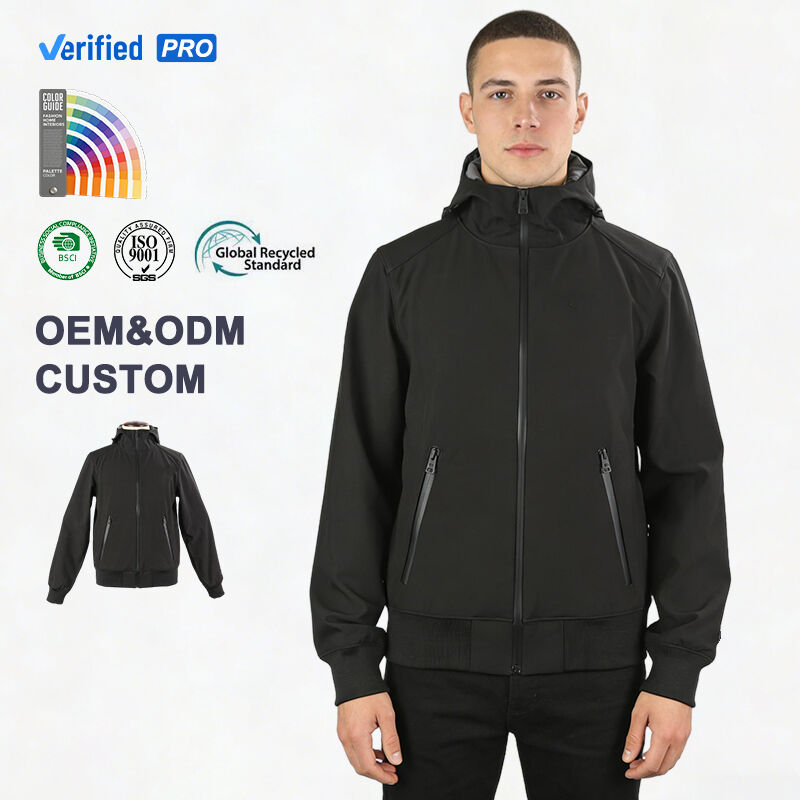
ارزش پایدار بلندمدت: نگهداری، بازپوشانی و قابلیت تعمیرپذیری جکتهای بیرونی با پوشش DWR
جدول زمانی تخریب پوشش DWR و پروتکلهای اثباتشده بازپوشانی که عمر مفید جکتهای بیرونی را ۳ تا ۵ سال افزایش میدهند
پوششهای DWR تمایل دارند در طول زمان و بهصورتی نسبتاً قابل پیشبینی تخریب شوند. اکثر کاربران کاهش مؤثر بودن این پوشش را هر ساله در محدوده ۱۸ تا ۳۲ درصد مشاهده میکنند، هرچند این میزان بستگی زیادی به میزان استفاده از تجهیزات دارد. نواحیای که بهطور مداوم در تماس با سطوح قرار میگیرند — مانند مچها و ناحیه یقه — معمولاً نشانههای سایش را ظرف حدود شش تا دوازده ماه نشان میدهند. زمانی که آب دیگر بهصورت قطرهای از سطح جدا نمیشود و بهجای آن وارد بافت میشود، نشانهای واضح از خرابی پوشش DWR است. بر اساس مشاهدات صنعتی، حدود ۸۰ درصد از جکتهایی که زودتر از موعد بازنشسته میشوند، در واقع بهدلیل ازکارافتادن پوشش DWR (قبل از تخریب خود غشای ضدآب) دچار شکست میشوند.
بازپوشانی پیشگیرانه بهطور مؤثر عملکرد را بازیابی میکند:
- ابتدا تمیز کنید : از شویندههای فنی برای حذف روغنها و باقیماندهها استفاده کنید (هرگز از صابون رایج شستشوی لباس استفاده نکنید)
- بهصورت استراتژیک اعمال کنید : پوششهای اسپریشونده در مناطق ساییدهشده هدفگیری میکنند؛ در حالی که راهحلهای قابل افزودن به آب شستشو، پوشش کامل را تازه میکنند
- با حرارت فعالسازی کنید : برای ۲۰ دقیقه در دمای پایین در خشککن بچرخانید تا پوشش جدید به سطح متصل شود
رعایت این پروتکل، حدود ۹۵٪ از عملکرد دفع آب را بازیابی کرده و عمر مفید محصول را ۳ تا ۵ سال افزایش میدهد. سازندگان پیشرو اکنون برای موارد استفاده سنگین، توصیه میکنند که هر شش ماه یکبار عملیات ضدآبکردن مجدد انجام شود. فرمولاسیونهای سازگانمحور و فاقد PFC نیازمند اعمال مکررتر (هر ۴ تا ۶ ماه یکبار) هستند، اما بدون از دست دادن عملکرد اصلی، از مسئولیتپذیری زیستمحیطی بلندمدت حمایت میکنند.