EN
EN

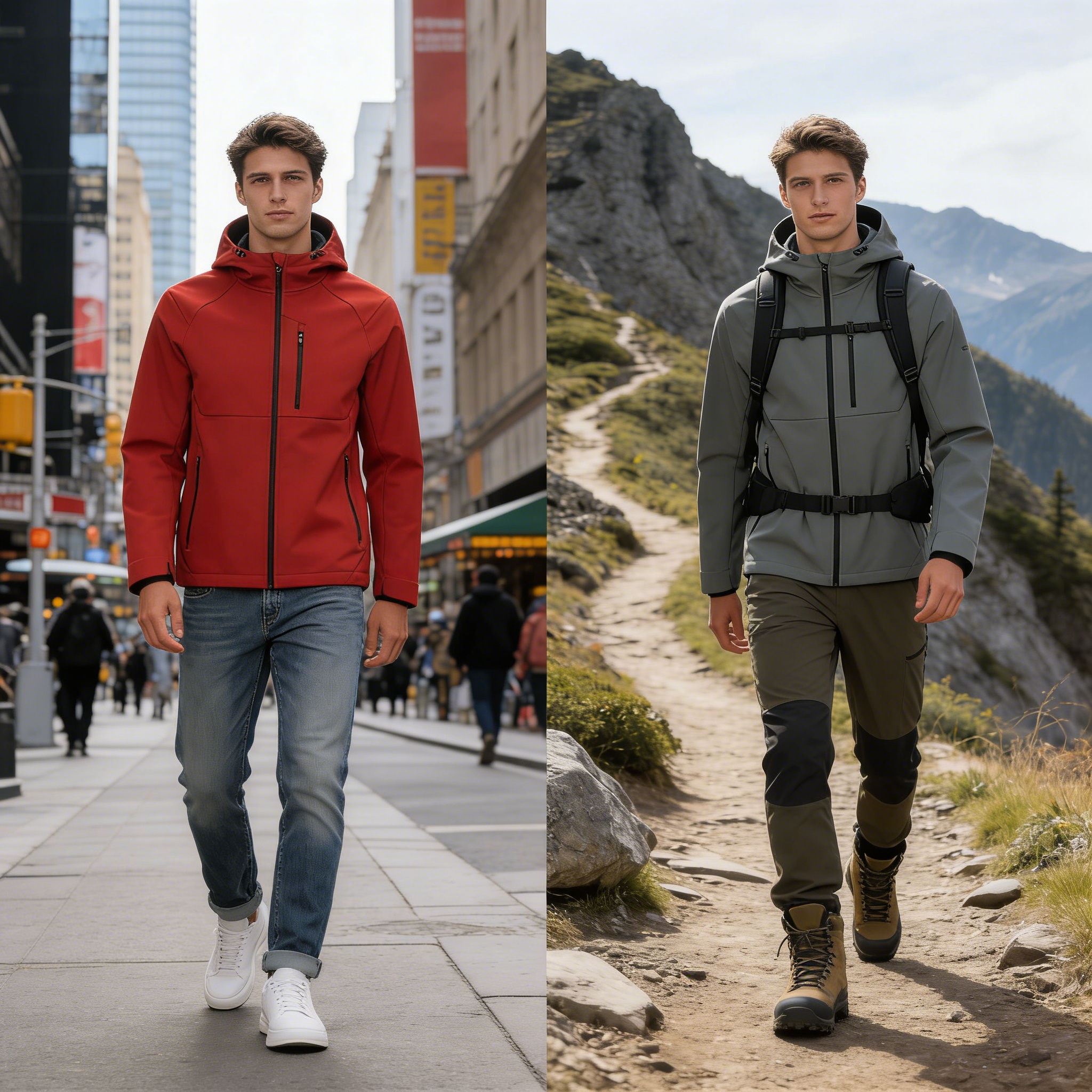
Sains Penyesuaian Termal dalam Jaket Softshell
Fisiologi Pertukaran Haba dan Kelembapan Semasa Aktiviti
Apabila orang menjadi aktif secara fizikal, badan mereka menghasilkan banyak haba metabolik. Bayangkan sekitar 1000 watt semasa bersenam dengan bersungguh-sungguh. Itulah sebabnya pengawalan termal yang baik begitu penting. Jaket softshell membantu menangani masalah ini kerana ia membenarkan pergerakan lembapan ke dua arah. Jaket ini menarik wap peluh menjauhi tubuh tetapi masih menahan air hujan di luar. Menjaga kekeringan kulit membantu peluh mengewap lebih cepat, yang amat penting untuk mengelakkan kesejukan selepas tamat bersenam. Bagaimanakah jaket-jaket ini berfungsi? Secara asasnya, fabriknya mempunyai saluran mikro yang mengalirkan lembapan melalui tindakan kapilari. Serat poliester yang digunakan dirawat untuk menolak air, mendorongnya menjauhi permukaan kulit. Pada masa yang sama, lapisan bernafas khas dalam bahan tersebut membenarkan wap menembusi tanpa membenarkan angin menembusi jaket secara langsung.
Keporosan Fabrik, Pengudaraan Aktif-Melalui-Regangan, dan Respons Membran Dinamik
Generasi terkini fabrik softshell menggabungkan rekabentuk keporosan yang bijak yang benar-benar bertindak balas terhadap cara kita bergerak dan apa yang berlaku di sekeliling kita. Apabila seseorang melaraskan lengan atau melangkah ke hadapan dengan besar, lubang-lubang kecil pada fabrik tersebut menjadi lebih besar melalui suatu mekanisme yang dikenali sebagai pengudaraan aktif regangan. Ini boleh meningkatkan aliran udara sehingga kira-kira 40 peratus apabila seseorang benar-benar bersungguh-sungguh dalam aktiviti fizikal. Pada masa yang sama, lapisan polimer khas di dalam pakaian juga berfungsi secara tersendiri: ia mengecut apabila cuaca sejuk dan kering di luar untuk mengekalkan haba badan, tetapi kemudian terbuka semula apabila kelembapan meningkat supaya peluh dapat keluar dengan sempurna. Semua bahan pintar ini bekerja secara serentak untuk mencipta lapisan perlindungan terhadap perubahan suhu, menjaga suhu badan kita hampir stabil pada ±2 darjah Celsius tanpa mengira jenis cuaca yang kita hadapi.
Inovasi Bahan yang Mendorong Responsivitas terhadap Suhu
Campuran Polyester-Spandex: Mengoptimumkan Kelenturan, Penebatan, dan Penyejukan Melalui Penyejatan
Prestasi softshell moden benar-benar bergantung pada percampuran yang tepat antara polyester dan spandex, biasanya sekitar 15 hingga 25 peratus elastane, yang memberikan kelenturan empat arah tanpa menyebabkan koyak atau kehilangan sifat perlindungan cuaca. Polyester secara semula jadi menolak air, jadi ia mengalihkan peluh dari badan kira-kira tiga kali lebih cepat berbanding fabrik biasa. Fabrik ini mempunyai poket udara halus yang terbina di dalamnya, yang benar-benar memberikan penebatan setara dengan kebanyakan lapisan tengah ringan, namun masih membenarkan aliran udara apabila suhu berada antara kira-kira 20 hingga 60 darjah Fahrenheit. Apa yang menjadikan bahan-bahan ini unik ialah kemampuannya menyejukkan badan semasa melakukan aktiviti berat dengan membenarkan kelembapan keluar, tetapi juga menghalang pembentukan kondensasi apabila berpindah dengan pantas dari persekitaran sejuk ke panas—sesuatu yang penebatan statik tidak dapat atasi dengan baik sama sekali.
Lapisan Fleece vs. Rajut Berpunggung Grid: Kawalan Mikroklima Mengikut Tahap Aktiviti
Pengurusan mikroklima bergantung pada pemilihan lapisan secara strategik:
| Ciri | Lapisan Fleece | Rajut Berpunggung Grid |
|---|---|---|
| Terbaik Untuk | Aktiviti berintensiti rendah | Usaha beroutput tinggi |
| Kaedah Penebatan | Penyimpanan udara oleh serat berbuku | Pemindahan haba aerodinamik |
| Pengendalian lembapan | Penyerapan beransur-ansur | Laluan wap berarah |
| Tindak Balas Terma | Penahanan haba perlahan | Penyejukan konvektif pantas |
Bahan bulu domba (fleece) berfungsi sangat baik apabila seseorang tidak banyak bergerak, terutamanya kerana serat lembutnya secara berkesan mengurung kepanasan. Sebaliknya, kaitan bersisi grid (grid backed knits) menceritakan kisah yang berbeza. Bahan ini direka khas untuk orang yang memerlukan peralatan yang mampu menyesuaikan diri dengan aktiviti fizikal yang intensif. Reka bentuk khasnya mencipta saluran-saluran kecil yang benar-benar mengalihkan peluh dari kawasan di mana ia cenderung berkumpul paling banyak, serta membantu mengekalkan perubahan suhu badan pada tahap minimum—biasanya dalam julat perbezaan sekitar 5 darjah Fahrenheit. Hasil ujian tertentu menunjukkan bahawa individu yang memakai jaket softshell berlapiskan grid melaporkan rasa letih 22 peratus lebih rendah semasa senaman sukar berbanding ketika mereka memakai jaket softshell serupa yang berlapiskan fleece. Oleh itu, bahan-bahan ini amat sesuai untuk mengendali situasi di mana kadar metabolisme berubah dengan cepat apabila seseorang bergerak melalui pelbagai jenis landskap dan keadaan cuaca sepanjang hari.
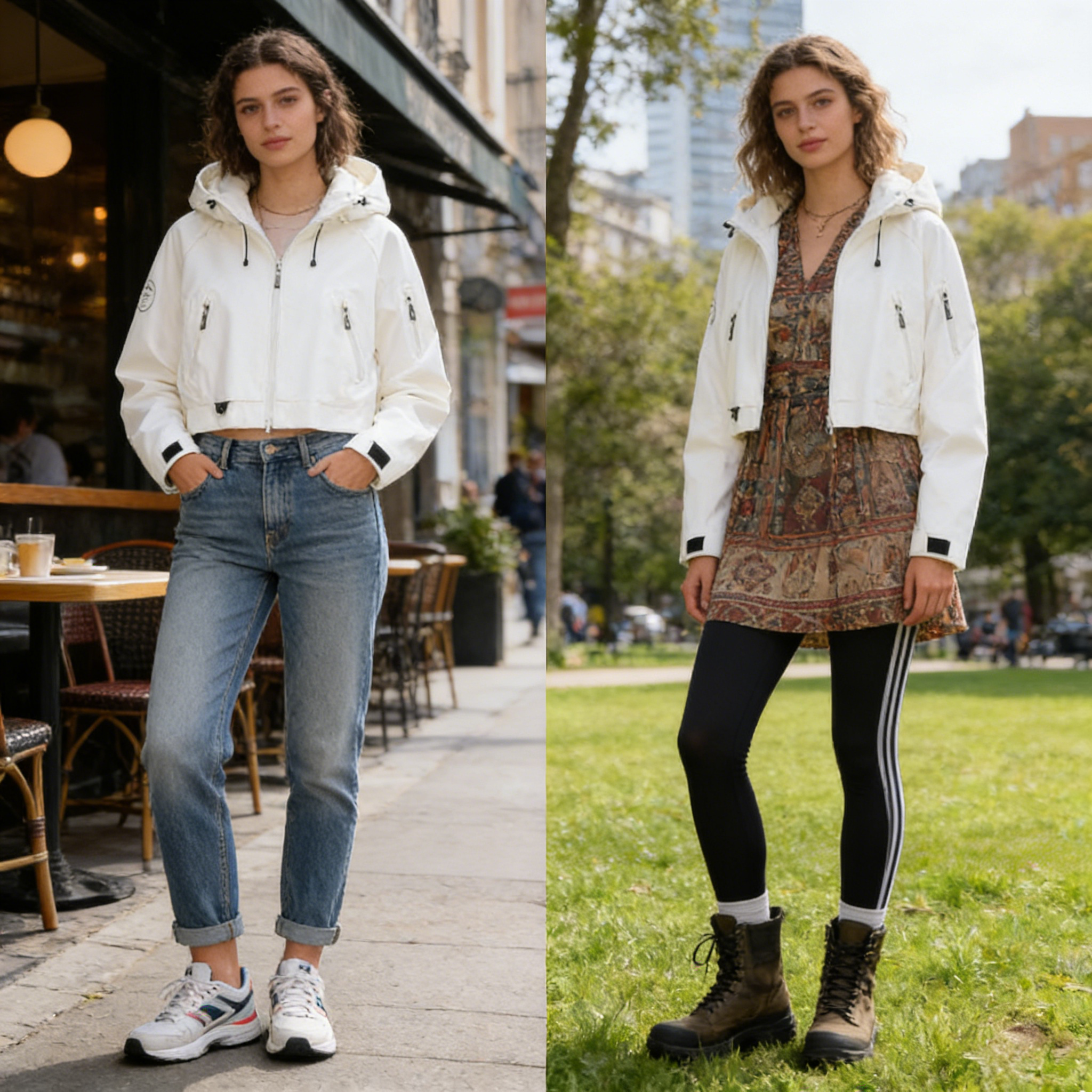
Prestasi Jaket Softshell Sebenar di Musim Peralihan
Ujian di lapangan menunjukkan betapa sesuainya jaket softshell semasa bulan-bulan musim bunga dan luruh yang sukar, apabila suhu berubah-ubah secara mendadak dan keadaan sentiasa berubah. Bayangkan apa yang berlaku apabila pendaki berpindah dari lembah berbayang yang sejuk ke puncak bukit yang terkena cahaya matahari—jaket softshell berkualiti baik mampu mengawal suhu badan dengan agak cekap: menyerap peluh ketika pengguna melakukan aktiviti berat tetapi tetap memberikan kehangatan yang mencukupi semasa rehat. Bahan luaran mampu menahan tiupan angin sehingga kira-kira 20 mph, iaitu kelajuan angin yang biasa ditemui di laluan gunung, serta membenarkan aliran udara kira-kira tiga kali lebih baik daripada jaket hardshell tradisional berdasarkan ujian makmal tekstil (ASTM D737). Perbezaan ini benar-benar ketara dalam aktiviti seperti larian trek, di mana suhu badan boleh meningkat hampir 10 darjah Fahrenheit hanya dalam masa lima minit sahaja semasa bersenam. Apa yang membezakan jaket-jaket ini ialah cara tindak balasnya terhadap pergerakan itu sendiri. Apabila seseorang membengkokkan siku semasa mendaki bukit, liang-liang mikro pada kain terbuka untuk membenarkan haba berlebihan keluar, kemudian menutup semula semasa menuruni bukit supaya kehangatan kekal di dalam. Pendaki gunung yang sering berdepan dengan perubahan cuaca mendadak mendapati ciri ini sangat berguna kerana ia mengurangkan keperluan untuk menyesuaikan lapisan pakaian kira-kira seperempat berbanding peralatan berinsulasi biasa. Ini amat penting apabila cuaca buruk melanda secara tidak dijangka. Jaket softshell berada di antara pilihan lain dari segi kadar aliran udara—iaitu antara 5 hingga 15 CFM—dan menawarkan perlindungan terhadap hujan ringan, menjadikannya sangat sesuai untuk situasi di mana jaket sepenuhnya kalis air justru akan memburukkan lagi masalah penumpukan peluh di dalam.
Kepelbagaian Jaket Softshell dalam Perubahan Persekitaran yang Pantas
Mengurangkan Kelambatan Termal Semasa Perpindahan Dalam Ruangan/Luar Ruangan
Jaket softshell membantu mengurangkan apa yang dikenali sebagai kelambatan terma, iaitu apabila badan kita mengambil masa untuk menyesuaikan diri dengan perubahan suhu yang mendadak. Jaket ini berfungsi dengan mengalihkan lembapan secara cepat sambil tetap mengekalkan kehangatan di dalam badan. Bayangkan anda berjalan keluar dari bangunan yang hangat ke cuaca yang sejuk beku. Jaket-jaket ini membenarkan peluh keluar dengan mudah supaya kita tidak menjadi lembap dan sejuk serentak. Apabila kita kembali ke dalam bangunan, saluran khas di kawasan tertentu membolehkan haba berlebihan keluar dengan agak cepat, bukannya menunggu sehingga kita sudah berasa tidak selesa. Keajaiban ini berlaku kerana fabrik-fabrik ini biasanya diperbuat daripada poliester yang dicampur dengan spandeks. Kombinasi ini membenarkan udara melaluinya pada kadar kira-kira 5 hingga 15 kaki padu seminit sambil tetap menghalang tiupan angin secara berkesan. Mereka yang berulang-alik setiap hari, meneroka bandar-bandar, atau mendaki gunung-gunung di kawasan yang suhunya sentiasa berubah mendapati ciri ini sangat berguna. Tiada lagi keperluan untuk sentiasa menambah atau menanggalkan lapisan pakaian sepanjang hari hanya untuk kekal selesa, tidak kira jenis cuaca yang melanda.