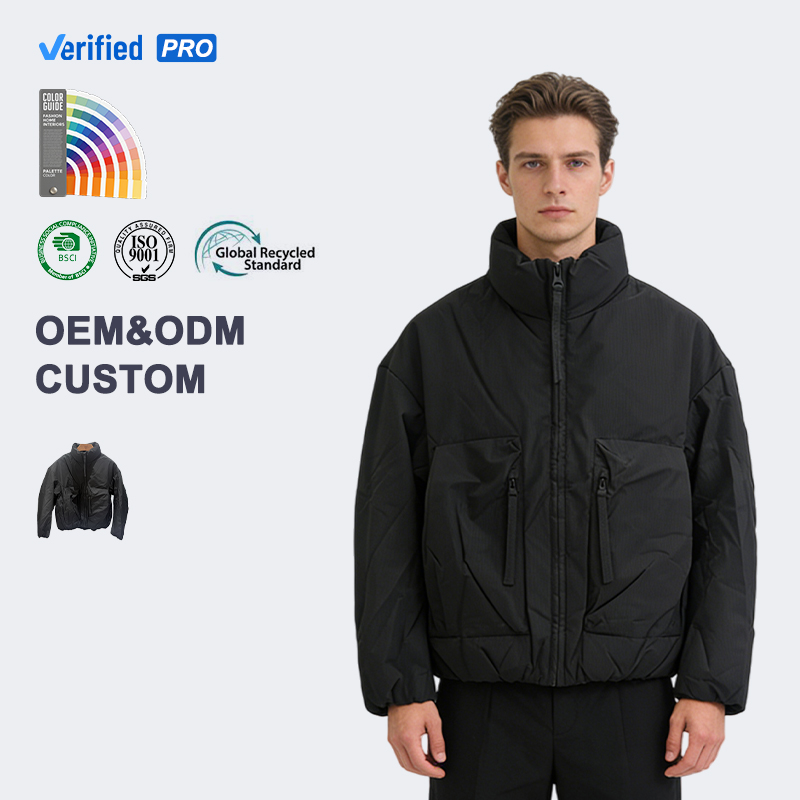
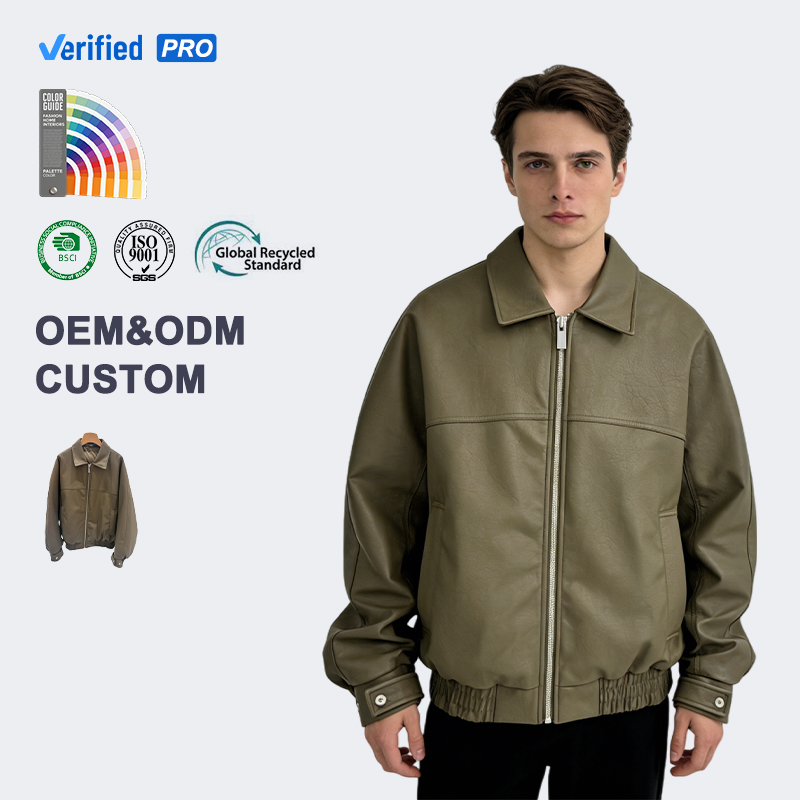
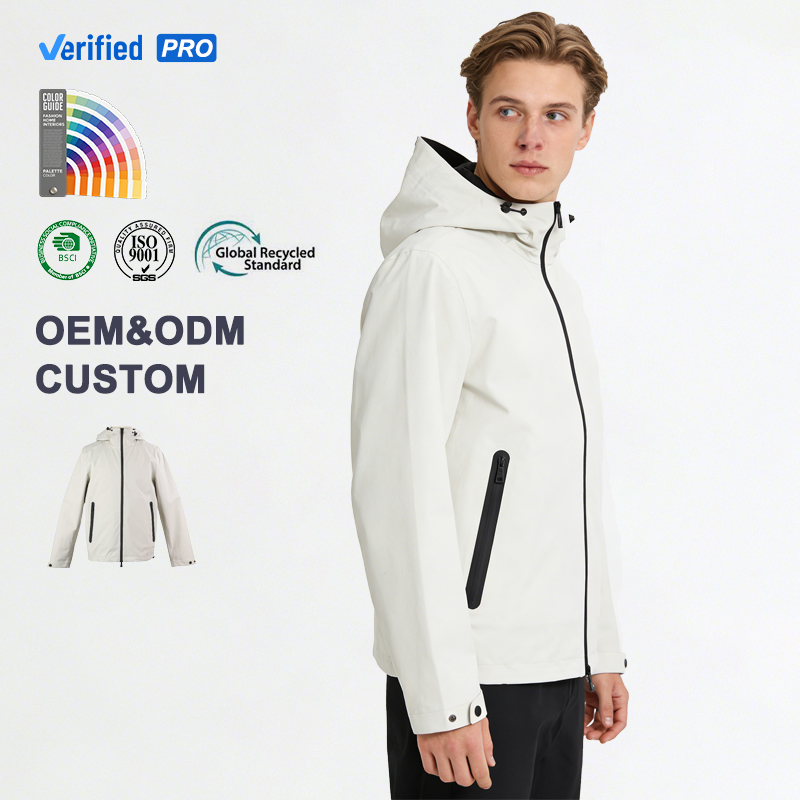
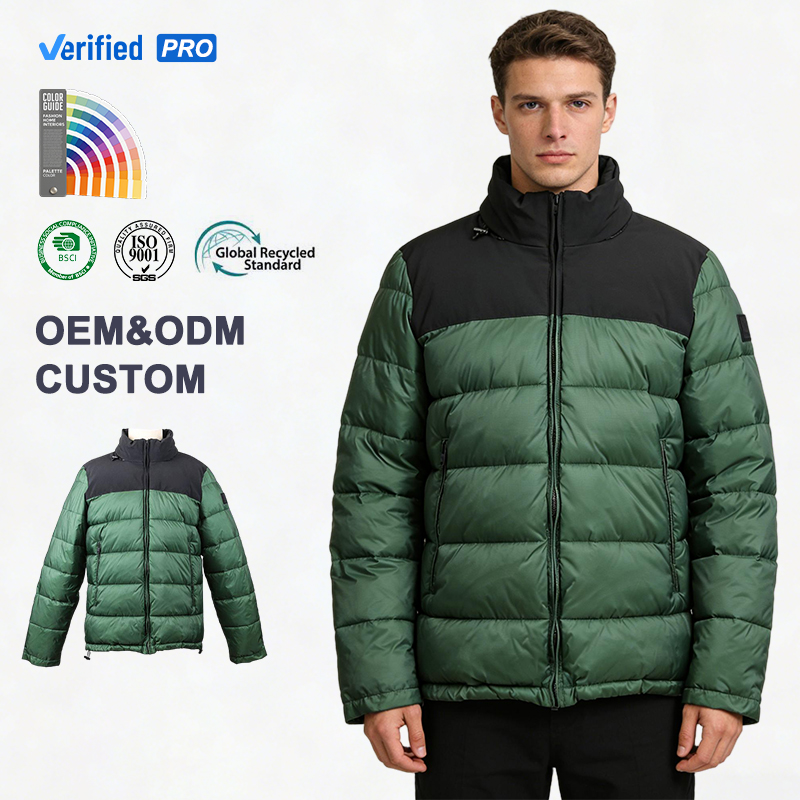
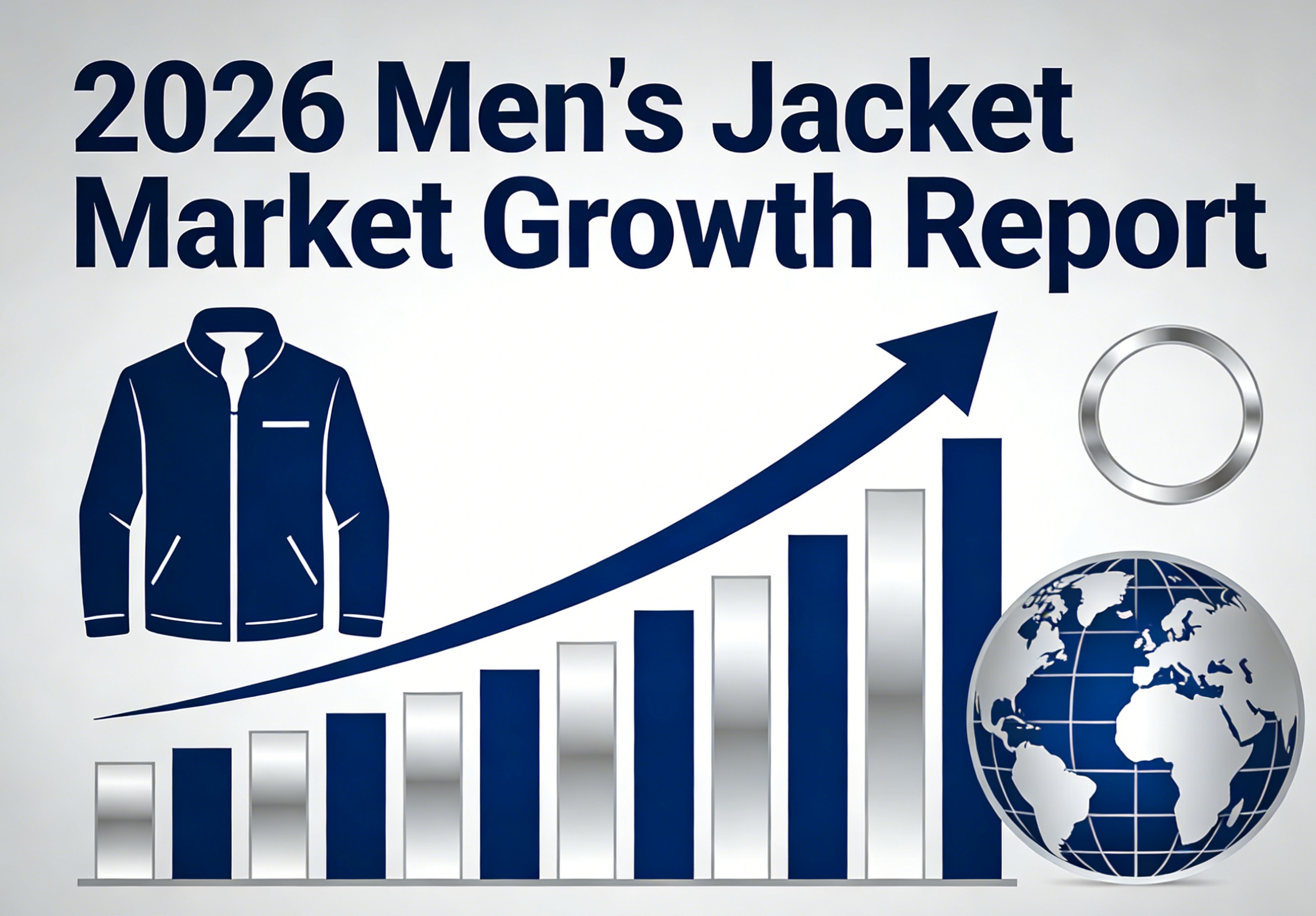
At the beginning of 2026, China’s menswear market experienced structural changes driven by both consumption upgrading and demand reconstruction—jackets, with their precise adaptation to consumer needs, became the core engine of counter-trend growth, leading the entire menswear market. According to the latest data from iiMedia Research's "2026 China Apparel Consumption Trend White Paper," the total retail sales of men's jackets in China reached 184.2 billion yuan in 2026, a year-on-year increase of 6.7%, significantly higher than the overall menswear annual growth rate of 5.2%. Among them, winter jacket sales performed particularly well, with a year-on-year increase far exceeding other seasons, becoming the key force driving growth in the jacket category and reshaping the competitive landscape of the winter outerwear market.
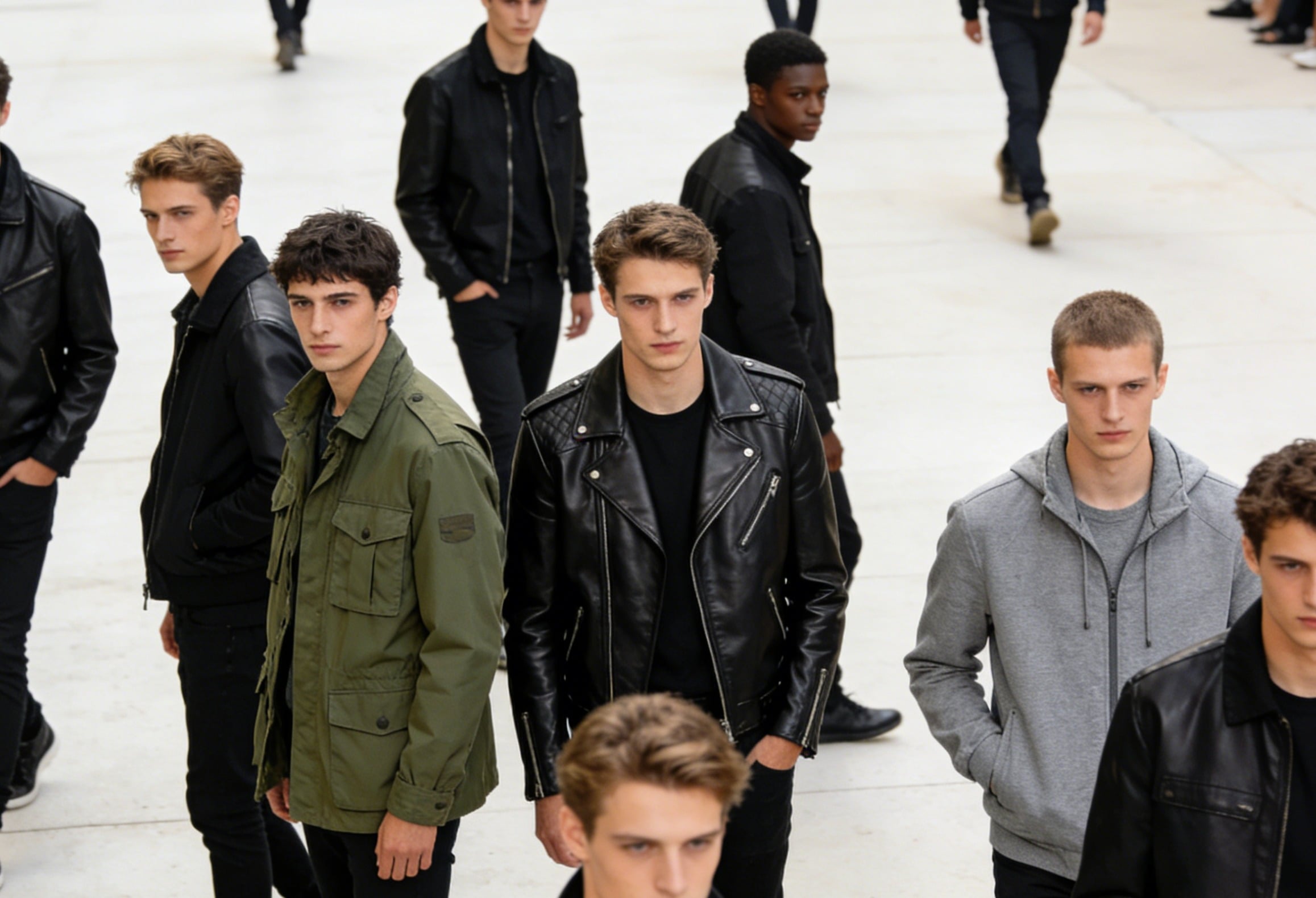
Behind this growth trend is a fundamental shift in consumer dressing needs, with young men aged 18-35 becoming the core driving force. Research shows that this group has listed "fit effect" as the primary consideration when purchasing outerwear, with its weight rising 28% compared with five years ago, while warmth has moved from a core requirement to a basic threshold. Monitoring data from mainstream e-commerce platforms for the 2025-2026 winter season indicate that jacket category sales surged 47% year-on-year, while down jackets, which have long dominated the winter outerwear market, saw a 5% drop in sales for the first time in five years. This inverse trend marks a complete reconstruction of the consumption logic for winter outerwear.
In urban life, the high-frequency switching of scenarios such as subway commuting, office temperature control, and weekend social activities has led consumers to gradually abandon bulky down jackets—the issues of sagging shoulder lines, unclear waistlines, and appearing overweight on camera make them unsuitable for diverse dressing needs. Jackets, with their crisp silhouettes and neat lines, can accurately shape the shoulders, back, and chest contours, balancing warmth and style, and perfectly meet young men’s core needs of "not being bulky while commuting and not losing face in social settings." At the same time, middle-aged male consumers are gradually turning to the jacket category. Simple and atmospheric business jackets, and durable, practical work jackets, have become their daily wear of choice, further expanding the consumption base of the jacket market.
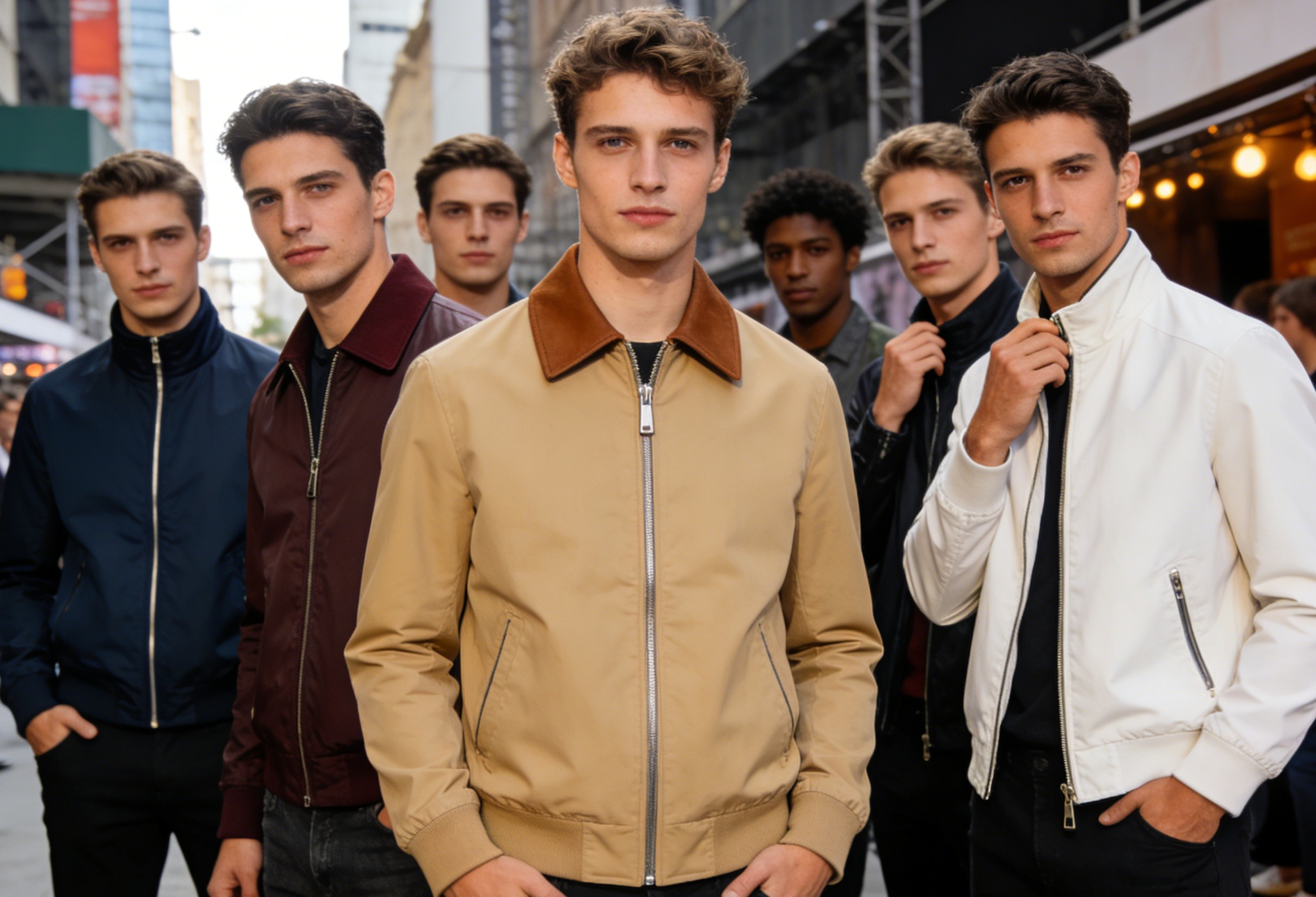
In terms of style, the men's jacket market in 2026 shows the distinct characteristics of 'classic renewal and segmented explosion,' with three major popular jackets—work jackets, Air Force MA-1 jackets, and short structured jackets—accounting for over 60% of total market sales. Among them, the classic Air Force MA-1 jacket has been revitalized through subtle innovations in detail. Brands have shortened the traditional MA-1 by 3cm in length and expanded the shoulder line by 1.5cm, visually achieving a 'looks 5cm taller' effect, retaining the classic flight elements while catering to the aesthetic preferences of young consumers. ZARA’s spring multi-pocket work jacket series, with its retro silhouette and practical design, had a first-week sell-through rate of 87%, fully demonstrating the market popularity of work jackets and making it a must-have item for young consumers' outfits.
Upgrades in fabrics and craftsmanship further support the sustained growth of the jacket category. The extensive use of new materials, such as aerogel, high-elastic wear-resistant fabrics, and recycled eco-friendly materials, allows jackets to maintain a structured fit while achieving a perfect balance of lightness and functionality. Longya, the domestic leader in tactical jackets, launched the second-generation Lianlang tactical jacket, using four-way stretch fabric that combines comfort, style, and durability, suitable for multi-scenario wear; it can be worn for nine months a year, with post-season promotional prices being affordable, and went out of stock in colors and sizes within two hours of launch. UNIQLO’s C-Series khaki short jacket, designed by former Chloé and Givenchy designers, uses high-quality cotton-linen blend fabric. Thanks to its soft cutting, structured silhouette, and an affordable price of 399 yuan, consumers call it a 'high-value alternative.' Layered with thin knitwear or shirts, it creates a premium look, making it a popular item in early spring.
In terms of market competition, international fast-fashion brands and domestic brands are engaging in differentiated competition, jointly driving industry development. International fast-fashion brands like ZARA rely on AI visual recognition systems to capture global outfit trends in real time. With a 19-day ultra-fast supply chain advantage, they quickly transform trends into products, continuously capturing the young consumer market. H&M, on the other hand, focuses on the concept of eco-friendly consumption and launched recycled fabric work jackets to meet young consumers' sustainable consumption needs. Meanwhile, domestic brands are accelerating their catch-up, shortening production cycles through smart manufacturing upgrades, while focusing on niche segments such as mid-to-high-end business and outdoor functional wear, creating differentiated products and gradually enhancing market competitiveness.
It is noteworthy that the men's jacket market in 2026 also faces challenges brought by price wars. According to data jointly released by the National Bureau of Statistics and the China National Commercial Information Center, the average transaction price of men's jackets throughout the year fell by 4.3% year-on-year, with the mainstream price range of 300–800 yuan experiencing the most significant decline of 6.8%. The Douyin E-commerce Apparel Industry Report shows that the average discount rate in live streams for men's jackets reached 52.7% in 2026, with some white-label merchants even using low prices to attract traffic, triggering irrational competition in the industry. In response, leading brands have been building competitive barriers through technology empowerment, IP co-branding, and other methods to mitigate the impact of price wars. For example, Bosideng launched a smart temperature-controlled jacket integrated with a graphene heating film, while Li Ning deepened its co-branding cooperation with art IPs to enhance product added value and brand premium through cultural symbols.
Looking ahead to the second half of 2026, the growth momentum of the men's jacket market is expected to continue. Deepening scene-based segmentation, the popularization of eco-friendly and technological fabrics, and the rise of domestic trend brands will become three main trends. Industry experts indicate that as consumer demand continues to upgrade, the jacket category will keep pushing the boundaries of scenarios and functions, continuously optimizing the product experience, and becoming the most growth-potential niche in the men's apparel market.
 EN
EN

 Hot News